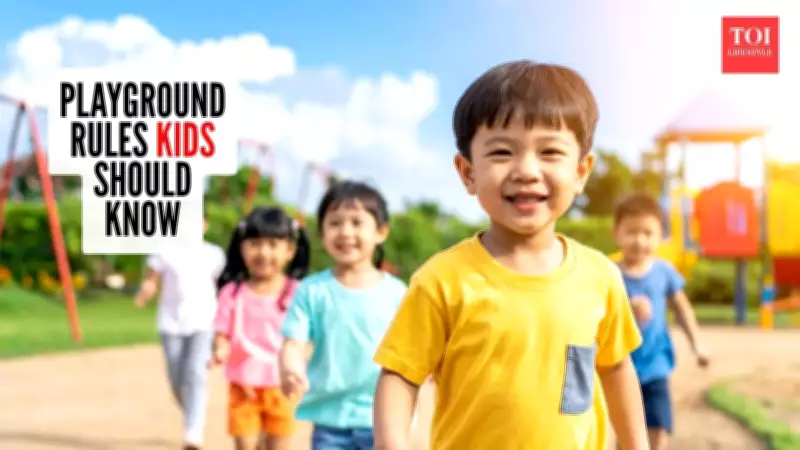
Playgrounds may appear as joyful spaces filled with laughter and activity, yet subtle dangers often lurk in plain sight. A seemingly harmless loose bolt, an overly energetic older child moving swiftly, or even a brief moment of distraction can swiftly transform a fun outing into an unfortunate injury. Many of these recreational areas are situated within public parks, school compounds, or residential society grounds, where children of varying ages mingle and maintenance standards can be inconsistent. This reality underscores the critical importance of instilling safety awareness from an early age.
Why Playground Safety Education Matters
These seven fundamental playground guidelines transcend mere cautionary advice. They represent essential habits that empower children to enjoy their playtime while minimizing risks. By incorporating these practices, parents and caregivers can foster a culture of safety that extends beyond the playground, nurturing responsible behavior in young minds.
1. Inspect the Ground Surface Before Play Begins
Children should develop the habit of examining the ground before engaging in activities. Post-rain wet mud, scattered loose gravel, cracked tiles, or stray stones can create slippery conditions leading to falls. In public parks, morning dew and evening irrigation sprinklers frequently create damp surfaces. A quick visual assessment helps children identify safe zones for running, jumping, or sitting. This practice cultivates environmental awareness rather than instilling fear, teaching them to navigate their surroundings thoughtfully.

2. One Child Per Equipment Turn
Numerous playground injuries stem from overcrowding rather than accidental falls. Slides, see-saws, and swings are engineered for single-user operation. When multiple children attempt to use them simultaneously, balance becomes compromised, increasing accident risks. Teaching patience through turn-taking serves dual purposes: it reinforces social etiquette while physically protecting fingers, limbs, and heads from unexpected collisions.
3. Maintain Proper Footwear with Secured Laces
While barefoot play might feel liberating, public spaces present multiple hazards. Summer-heated metal slides, abrasive concrete edges, and concealed glass fragments pose serious threats. Well-fitted shoes with properly tied laces offer crucial protection and improved traction. Beyond immediate safety, this rule teaches children valuable lessons about bodily care and preparedness.
4. Avoid Pushing, Even During Energetic Play
Playgrounds naturally amplify children's energy and enthusiasm, but excitement can escalate into roughness unexpectedly. Pushing from behind, even when intended playfully, can result in severe falls. Children should learn to communicate their need for space verbally rather than physically. This fundamental conflict-resolution skill proves valuable in numerous life situations beyond the playground environment.
5. Recognize Age-Appropriate Play Zones
Older children typically engage in faster, more vigorous activities, while younger ones may struggle to assess speed and distance accurately. Teaching children to observe age groupings helps create safer interactions for everyone. Recognizing when an area feels too intense and relocating becomes an exercise in smart self-preservation rather than weakness, ultimately building confidence and protective instincts.
6. Pause When Sensing Potential Danger
A dangling swing chain, fractured slide surface, or unsupervised animal presence should trigger immediate cessation of play. Children must understand that withdrawing from potentially hazardous situations is both permissible and wise. Given that repair timelines in many Indian recreational spaces can be prolonged, developing this risk-recognition ability constitutes a lifelong safety competency.
7. Identify Trusted Supervision Sources
Children should maintain constant awareness of supervising adults' locations. This doesn't imply living in perpetual anxiety, but rather knowing precisely where to seek assistance if required. Whether the supervisor is a parent, grandparent, teacher, or caretaker, this guideline enhances children's security and reduces panic during minor incidents.

Important Disclaimer: This content serves general informational purposes only. Playground conditions exhibit significant regional variations. Parents and guardians must maintain active supervision and evaluate safety parameters according to specific environments, individual playground conditions, and each child's unique age and capabilities.