

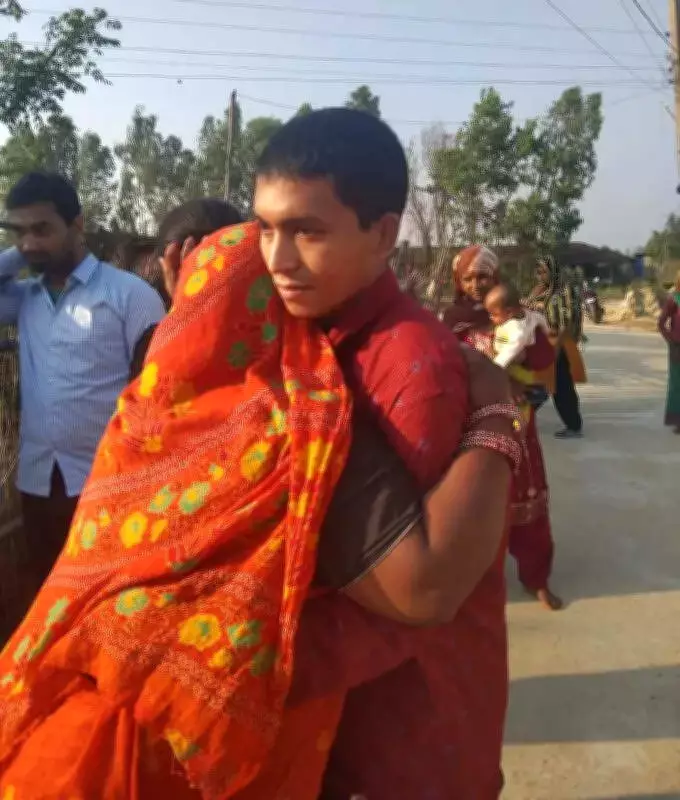
Four Nepali Nationals Successfully Repatriated from Indian Mental Health Facilities
In a remarkable cross-border humanitarian initiative, four Nepali nationals who had been institutionalized for years in Indian mental health facilities have finally been repatriated to their homes in Nepal. This complex operation involved meticulous coordination between hospital authorities, local communities, and a dedicated mental health NGO based in Kolkata.
Years of Institutionalization Due to Systemic Challenges
The individuals had been admitted to various government-run mental health institutions across India, including Lumbini Park Mental Hospital, Berhampore Mental Hospital, and Calcutta Pavlov Hospital. Medical assessments confirmed that despite achieving clinical stability, these patients remained confined within institutional walls for extended periods. The primary obstacles preventing their discharge were the absence of proper identity verification procedures, inadequate cross-border coordination mechanisms, and the lack of established repatriation protocols between India and Nepal.
NGO Anjali Facilitates Complex Repatriation Process
The successful repatriation was orchestrated by Anjali, a Kolkata-based mental health non-governmental organization that specializes in rehabilitation and community reintegration. The NGO's social workers undertook an intensive multi-phase process that involved:

- Comprehensive home tracing across remote Nepali districts
- Rigorous identity verification through documentation and family interviews
- Rebuilding contact with families who had, in some cases, presumed their relatives deceased
- Coordinating with hospital authorities for safe discharge procedures
- Facilitating cross-border travel documentation and logistics
Two Distinct Pathways to Homecoming
The repatriation unfolded through two different methodologies, both equally challenging and rewarding. For two of the individuals, Anjali's social workers personally escorted them back to Nepal and facilitated their reintegration into family life in the remote districts of Mahottari and Dhanusha. This involved not just physical transportation but also psychological preparation and community sensitization to ensure sustainable recovery.
For the remaining two individuals, the home tracing efforts enabled their families to travel to India personally. These families, once located and informed about their relatives' whereabouts, made the journey to retrieve their loved ones directly from the hospitals where they had been institutionalized. This direct family involvement proved crucial in rebuilding broken familial bonds and ensuring emotional support during the transition.
Broader Implications for Cross-Border Mental Healthcare
This successful repatriation highlights several critical issues in cross-border mental healthcare management. The case demonstrates the urgent need for:
- Standardized identification protocols for foreign nationals in mental health institutions
- Formalized repatriation mechanisms between neighboring countries
- Enhanced coordination between healthcare systems across borders
- Community-based rehabilitation models that transcend national boundaries
The initiative by NGO Anjali serves as a pioneering model for similar cross-border humanitarian efforts, particularly in South Asia where porous borders and migration patterns often lead to such complex situations. The organization's work underscores the importance of persistent advocacy, community engagement, and inter-agency collaboration in resolving cases that fall through bureaucratic cracks.
As mental health awareness grows globally, this repatriation success story offers valuable lessons for policymakers, healthcare providers, and humanitarian organizations working with vulnerable populations across international borders. It emphasizes that recovery and rehabilitation are not just medical processes but deeply human journeys that require compassion, persistence, and cross-border solidarity.






