Navratri Garba: Pune's Evolving Fitness Phenomenon
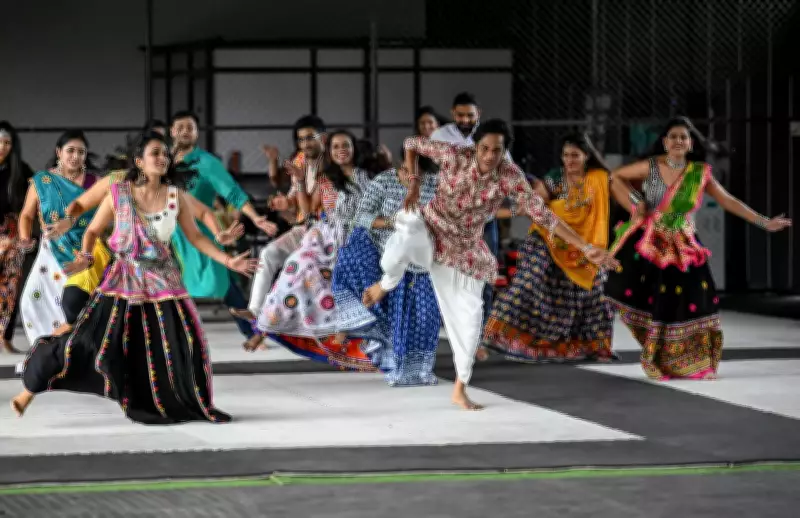
Navratri celebrations in Pune have undergone a remarkable transformation, moving far beyond the traditional focus on vibrant attire and cultural rituals. For an increasing number of city residents, particularly those mindful of their health metrics, the energetic garba and dandiya routines have emerged as enjoyable and effective fitness alternatives. The swirling movements and rhythmic patterns demand significant physical exertion, creating what many now call "cultural cardio."
The Science Behind the Celebration
The physical demands of traditional Navratri dances are substantial, requiring participants to maintain stamina, coordination, and muscular strength throughout extended sessions. According to fitness experts, these festive activities can provide a comprehensive workout experience that rivals conventional exercise routines.
Calorie expenditure during garba sessions ranges dramatically from 400 to 1000 calories per hour, depending on factors such as intensity level, duration, and individual physical characteristics. This substantial energy burn makes these cultural practices particularly appealing to fitness-conscious individuals seeking engaging alternatives to gym workouts.

Expert Perspectives on Festive Fitness
Garba instructors in Pune have observed this shift toward fitness-focused participation. Megha Maniyar, an experienced instructor, emphasizes the cumulative benefits: "Regular garba practice delivers excellent workout results. The more consistently you engage in these dances, the greater your calorie expenditure becomes."
Radhika Rathod, another prominent trainer, notes the growing trend: "I've witnessed numerous individuals adopting garba as their primary fitness activity instead of traditional gym sessions. The rehearsal process naturally builds endurance and mobility while maintaining engagement through cultural enjoyment."
Health Benefits Beyond Calorie Burn
Medical professionals have identified multiple health advantages associated with these traditional dances. Physiotherapist Dr. Soham Sonis explains: "The rotational movements characteristic of garba provide excellent conditioning for the back, shoulders, and spinal column. Additionally, these activities significantly enhance cardiovascular and respiratory health through sustained aerobic exertion."
Nutritionist and fitness coach Mukta Gadnis offers a balanced perspective: "While two-hour sessions can burn 500 to 1000 kilocalories depending on gender and age factors, participants should complement this activity with proper nutritional planning, adequate recovery periods, and foundational strength training to prevent potential injuries."
Personal Experiences from Pune Participants
The transition from cultural celebration to fitness routine has resonated deeply with Pune residents. Alisha Sabade, an HR administrator, shares her perspective: "Garba represents the perfect solution for those who find conventional exercises monotonous. The activity induces substantial perspiration while providing entertainment, delivering immediate and enjoyable health benefits."
Madhusudan Soni, a software professional, describes his transformative experience: "My initial garba participation revealed the surprising intensity of these traditional routines. This discovery motivated me to enhance my stamina levels and reinvigorate my overall exercise regimen."

Essential Health Takeaways
- Rotational dance movements effectively strengthen multiple muscle groups including the spinal column, shoulder complex, calf muscles, and gluteal regions.
- Cardiovascular endurance shows measurable improvement, while overall mobility and physical stamina receive significant enhancement.
- A comprehensive approach incorporating balanced nutrition, sufficient recovery time, and basic strength conditioning helps prevent dance-related injuries.
This evolution of Navratri celebrations in Pune demonstrates how cultural traditions can adapt to contemporary health consciousness, creating sustainable fitness practices rooted in community and enjoyment. The fusion of heritage and wellness continues to gain momentum, offering residents engaging alternatives to conventional exercise while preserving important cultural expressions.