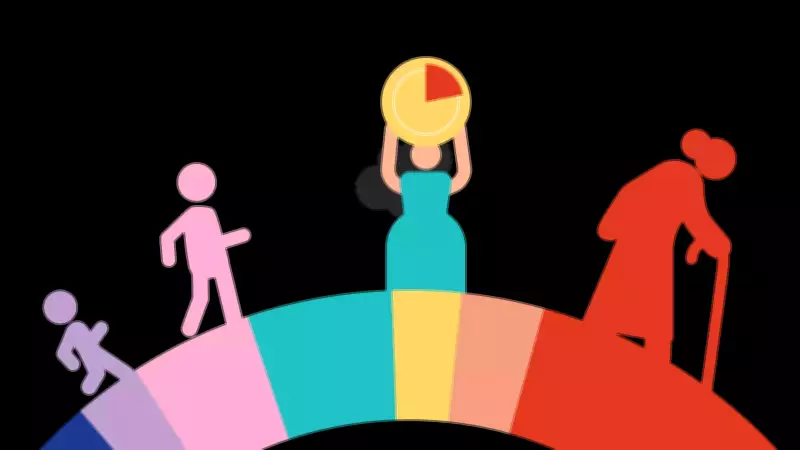
Who Had Better Odds in Life: You or Your Grandmother?
Is life truly better today than in previous generations? When confronted with this question, most people instinctively begin cataloging the persistent challenges of modern existence: gridlocked traffic, environmental pollution, rising costs, relentless pressure, mounting obligations, and overwhelming expectations. These are valid concerns that reflect genuine daily struggles. However, when we expand our perspective beyond the immediate horizon—shifting from a yearly view to a multi-decade timeline—the trajectory of human progress reveals an unmistakable upward curve.
The Long-Run Shift in Human Experience
This fundamental improvement manifests in a tangible, measurable way: the sheer volume of experiences, opportunities, and achievements that can now be compressed into a single ordinary lifetime. While our ancestors might have lived through periods of significant hardship and limitation, contemporary generations benefit from advancements across numerous domains that collectively enhance the human condition.
The critical question is whether this long-term progress translates into something we can genuinely perceive and appreciate in our daily lives. The answer is a resounding yes, particularly when examining how much more can be accomplished and experienced within the span of one human life today compared to just a few decades ago.

Visualizing Generational Advancement Through Data
To illustrate this profound shift, we present six comprehensive charts that document the key metrics of this transformation. These visual representations capture the essential dimensions where progress has been most significant:
- Life Expectancy and Healthspan: Charting the dramatic increase in average lifespan and the years spent in good health, highlighting medical and public health advancements.
- Educational Attainment: Showing the expansion of access to education across all levels, from primary schooling to higher education opportunities.
- Technological Access and Connectivity: Demonstrating how digital revolution has transformed communication, information access, and global connectivity.
- Economic Mobility and Opportunities: Illustrating changes in income levels, employment prospects, and career possibilities across generations.
- Social and Cultural Participation: Tracking increased access to arts, entertainment, travel, and cultural experiences that enrich daily life.
- Personal Freedom and Choice: Documenting expanded rights, personal autonomy, and lifestyle options available to contemporary individuals.
Each chart tells a compelling story of incremental but cumulative progress that has reshaped what constitutes a typical human experience. While acknowledging that significant challenges remain—including those related to inequality, sustainability, and mental well-being—the data consistently points toward measurable improvements in the fundamental conditions of human existence.
Beyond the Daily Frustrations
It's crucial to maintain perspective when evaluating quality of life across generations. The daily irritations and systemic problems we face are real and demand attention, but they exist within a broader context of historical advancement. Our grandparents might have enjoyed certain aspects of life that seem diminished today—perhaps stronger community bonds or less hectic paces—but they also contended with limitations that most of us cannot imagine.
From reduced infant mortality to expanded literacy, from breakthrough medical treatments to unprecedented access to information, the arc of progress bends toward greater human potential. These six charts provide the evidence that, despite our legitimate complaints about contemporary life, the odds have indeed improved for those born in more recent decades.
The next time you find yourself frustrated by traffic or stressed by expectations, consider the broader timeline. Your grandmother faced different challenges, but you enjoy opportunities she could scarcely envision. This doesn't diminish today's problems, but it does provide crucial context for understanding how far we've come in packing more possibility into one human lifetime.