

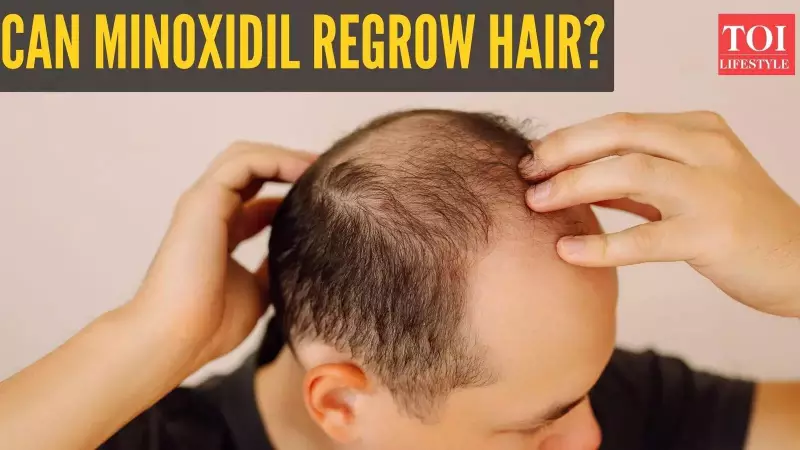
A decades-old hair loss treatment, Minoxidil, is experiencing a massive resurgence in popularity across social media platforms. Originally developed to treat high blood pressure, this topical solution and foam is now at the center of a digital buzz, with users flooding the internet with dramatic before-and-after photos showing impressive regrowth on their scalps, beards, and eyebrows.
The Science Behind Minoxidil's Hair Growth Power
So, how does this medication actually work? Extensive research, including a study published in the Journal of the American Academy of Dermatology, confirms that minoxidil can prolong the growth phase of hair and boost blood flow to the follicles. This process gradually improves hair density over time.
Topical minoxidil, available in 2% and 5% strengths, is the most common form used today. Clinical trials have consistently shown that the 5% solution delivers superior results. For instance, a trial involving 381 women suffering from female pattern hair loss found that 5% topical minoxidil was significantly more effective than a placebo in increasing hair count and improving scalp coverage.

Why Minoxidil is Trending Now and What Research Says
The current online frenzy is backed by solid clinical evidence. A study in Dermatologic Therapy reported that consistent use of a 5% minoxidil solution led to noticeably thicker hair and a higher hair count after just four months.
More recently, a 2023 study featured in JAMA Dermatology explored the benefits of low-dose oral minoxidil for patients who did not see results with the topical version. However, doctors strongly caution that oral minoxidil requires strict medical supervision because it can affect a user's blood pressure.
While social media is filled with success stories, these platforms often create a skewed perception by highlighting only the best outcomes and hiding the many cases where users see partial or no improvement.
The Other Side: Understanding the Limitations and Skepticism
Despite the hype, dermatologists emphasize that minoxidil is not a universal cure for hair loss. Research reveals a mixed level of response among users.
The same study in the Journal of the American Academy of Dermatology indicated that minoxidil works best for individuals in the early stages of hair loss. Those with long-standing bald patches typically see little to no regrowth.
Common points of skepticism supported by evidence include:
- It is effective primarily for certain types of hair loss, like early-stage pattern baldness.
- It does not revive hair follicles that have been dormant for years.
- A significant number of people are genetically "non-responders" and will not see growth even with perfect application.
- Visible results take months of consistent use, contrary to the rapid transformations often shown in viral posts.
Furthermore, many users on forums like Reddit report that the hair they regrew shed rapidly after they stopped using the product. This is not a side effect but the expected outcome, leading some to call it "rental hair" that you keep only for as long as you continue the treatment.
The bottom line is clear: Minoxidil can be a powerful tool for many to regrow hair or slow down loss, but it is not a miracle solution. Anyone considering it should first consult a dermatologist to identify the root cause of their hair loss, understand the potential risks, and choose the safest and most effective form of treatment for their specific situation.






