

Matka Water: India's Traditional Summer Hydration
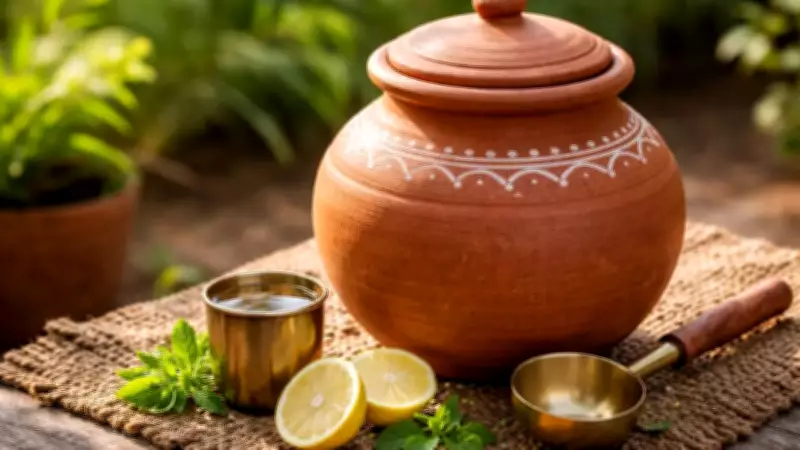
For countless people across India, particularly during the scorching summer months, there is no more comforting drink than a glass of water drawn from a matka. This earthen pot provides not only a natural cooling effect but is also widely considered healthier than consuming chilled or refrigerated water. The tradition of using matkas spans generations, deeply embedded in cultural practices and valued for its simplicity and connection to nature.
Why Matka Water Is Considered Healthy and Eco-Friendly
Matkas are crafted from natural clay, a material known for its porosity. This unique property facilitates a slow evaporation process that naturally cools the water without requiring any electrical power. The water stored in matkas remains at an optimal, soothing temperature that is gentle on the throat, unlike the harsh cold of refrigerator water. Many believe that clay containers impart essential minerals into the water, enhancing its taste and nutritional profile. Consequently, matkas are celebrated as a healthier, more sustainable, and eco-friendly alternative to modern storage methods.
The Hidden Hygiene Concerns of Matka Water
Despite these significant advantages, matkas demand proper and consistent maintenance to ensure safety. The very porosity that enables effective cooling can also trap moisture, creating an environment conducive to bacterial growth. If a matka is not cleaned thoroughly, deposits can accumulate on its inner surface, negatively affecting the water quality. This risk is heightened in warm weather, where bacteria reproduce more rapidly. According to the World Health Organization (WHO), drinking water can become contaminated during storage due to improper handling, poor hygiene, and unclean containers. This underscores that even traditionally stored water, like that in matkas, can become unsafe if adequate care is neglected. The danger often goes unnoticed because the water may appear fresh and drinkable despite bacterial contamination.

Common Mistakes That Compromise Matka Water Safety
Many people inadvertently engage in habits that reduce the cleanliness of their matka water. Refilling the matka without prior cleaning allows residues to build up over time. Using unwashed hands or previously used cups to draw water introduces foreign substances. Leaving the lid off or loosely covered exposes the water to dust, insects, and airborne contaminants. Additionally, failing to replace the water regularly increases the likelihood of stagnation and bacterial proliferation, especially in warmer conditions. These oversights are frequently overlooked but pose significant health risks.
Essential Practices to Keep Matka Water Safe
Maintaining a matka does not require complex methods, but regularity is crucial. Emphasizing cleanliness is paramount. Simple cleaning techniques using salt, baking soda, or similar natural ingredients can effectively sanitize the pot. Ensuring the matka is properly covered with a tight-fitting lid is vital to shield the water from contaminants. When handling the water, using a clean ladle instead of direct contact prevents contamination. Another key rule is to change the water frequently to avoid stagnation and maintain freshness.
Tradition Requires Attention, Not Assumption
Even today, matka water remains unparalleled for its natural cooling properties and cultural significance. However, its safety is often taken for granted. A common misconception is that all traditional practices are inherently superior, but this holds true only when due diligence is applied. While matka water can be clean and refreshing, safety considerations must always be prioritized. Neglecting maintenance procedures can lead to adverse health consequences. Ultimately, despite potential risks, matka water continues to be one of the safest and most sustainable hydration methods when properly managed. It is essential to recognize that any hydration method requires a degree of diligence. Ensuring the safety of water stored in a matka involves considering multiple factors and maintaining vigilance. Although maintaining matka water requires minimal effort, all natural hydration sources demand caution and regular attention to uphold health standards.






