

What is Lymphatic Drainage and Why You Should Know About It
While countless diets, exercises, and remedies promise to combat bloating and swelling, one effective method remains surprisingly underrated: lymphatic drainage. This specialized massage technique offers significant health benefits that many people overlook, primarily because its advantages aren't widely understood.
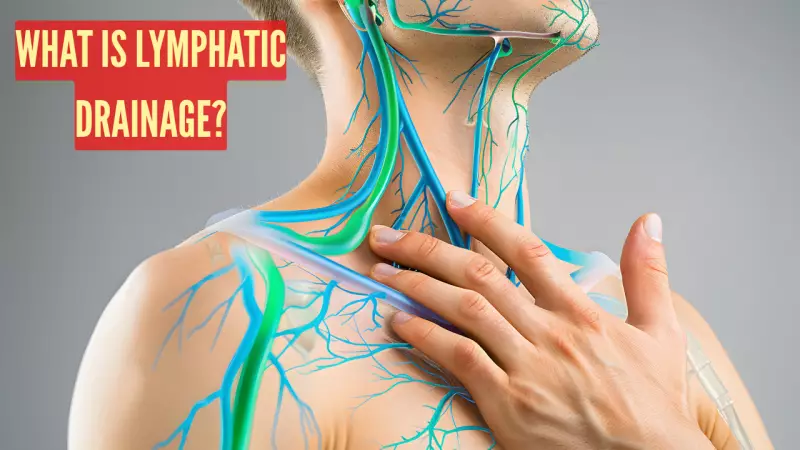
Lymphatic drainage represents a gentle, specialized form of massage designed to stimulate the movement of lymph fluid throughout the body's lymphatic system. This crucial system serves as a fundamental component of our immune defense and fluid balance mechanism, responsible for collecting and transporting fluids, waste materials, and toxins away from bodily tissues through an extensive network of vessels and lymph nodes.
How Lymphatic Drainage Works to Combat Swelling
When the lymphatic system becomes sluggish or obstructed, fluids begin accumulating in tissues, leading to uncomfortable swelling and bloating. Lymphatic drainage addresses this problem directly by stimulating lymph flow and promoting the removal of excess fluid from affected areas.

This therapeutic approach differs significantly from conventional massage techniques. Rather than focusing on muscles, lymphatic drainage employs a light touch applied specifically to the skin and lymphatic vessels just beneath the surface. The practitioner uses gentle pressure and rhythmic hand movements to encourage lymph fluid to move toward lymph nodes, where it undergoes filtration and processing.
A typical lymphatic drainage session lasts approximately 45 minutes and often incorporates deep breathing exercises to enhance fluid movement. The treatment typically begins with clearing healthy lymph nodes around the neck area, creating space for draining fluid. The therapist then proceeds to the trunk and swollen limbs, using precise, gentle strokes in a specific sequence to optimize lymphatic flow.
The Serious Consequences of Poor Lymphatic Drainage
When lymph nodes fail to drain properly, fluid buildup can lead to excessive swelling, medically termed lymphedema. In early stages, lymphedema might appear as simple swelling, but as it progresses, the swelling persists even with elevation, skin texture hardens, and visible dents disappear.
According to the National Library of Medicine, lymphedema is a chronic disease characterized by increased collection of lymphatic fluid in the body, causing swelling that can lead to significant skin and tissue changes. This condition presents emotional challenges due to its visible appearance and ongoing health risks, with symptoms sometimes appearing years after the initial problem develops.
Key Techniques in Manual Lymphatic Drainage
Manual lymphatic drainage incorporates several distinct techniques, including four fundamental approaches:
Stationary circles: Gentle circular hand movements that stretch the skin to stimulate underlying lymph vessels.
Scoop technique: A light scooping action using the flat of the hand to induce lymph flow.
Pump technique: Rhythmic pressing motions using the palm to "pump" lymph fluid toward lymph nodes.
Rotary technique: Circular motions that assist lymph fluid transportation within specific body areas.
Several specialized methods bear the names of their developers, including Vodder, Foldi, and Leduc techniques. While these approaches show minor variations in pressure and stroke depending on the treated area and specific pathology, they all share a common foundation of slow, rhythmic, light touch that avoids compressing lymph vessels.
Five Ways Lymphatic Drainage Reduces Bloating and Swelling
Swelling and bloating typically occur when blockages, injuries, surgery, or conditions like lymphedema impede normal lymph fluid flow. This uncomfortable fluid accumulation often appears in limbs, abdominal areas, or the face. Lymphatic drainage counteracts this through multiple mechanisms:
Mobilizes excess fluid: Clears stagnant lymph fluid from swollen tissues and redirects it into functional lymph vessels.
Improves fluid balance: Stimulates lymphatic circulation to restore normal fluid balance between blood and tissues.

Enhances detoxification: Promotes effective lymph flow to clear cellular waste and toxins that would otherwise accumulate and increase swelling.
Reduces inflammation: Clearing waste and fluid decreases tissue inflammation, reducing discomfort and bloating.
Boosts immune function: Activates lymph nodes to support immune response and promote healing in affected areas.
These physiological effects explain why lymphatic drainage serves as an effective treatment not only for medical conditions like lymphedema and post-surgical swelling but also for general bloating and fluid retention caused by lifestyle factors or mild lymph congestion.
When and How to Use Lymphatic Drainage Safely
For severe swelling or impaired lymphatic systems, lymphatic drainage should be performed by specially trained therapists. However, simplified self-massage techniques based on the same principles can safely address mild cases of bloating or fluid retention.
Professional therapists typically combine lymphatic drainage with supportive therapies including compression garments, gentle exercises, and skin care protocols. This comprehensive approach maximizes fluid movement while preventing re-accumulation.
For self-care, regular light strokes directed toward healthy lymph nodes (while avoiding areas of infection or open wounds) can support overall lymphatic health and reduce everyday swelling caused by inactivity, poor circulation, or dietary factors.
Important Precautions and Safety Measures
While generally safe, lymphatic drainage should be avoided or performed with extreme caution in individuals with infections, untreated cancer, or certain cardiovascular conditions. Consulting with a healthcare provider before beginning treatment is crucial, especially for people with underlying medical problems, to ensure appropriateness and safety for their specific condition.
Early recognition and proper care remain essential for effectively managing lymphatic issues. With its ability to reduce swelling, decrease bloating, and support overall immune function, lymphatic drainage offers a valuable therapeutic option that deserves greater recognition in mainstream health and wellness conversations.





