Knee Pain: A Growing Concern Across Generations
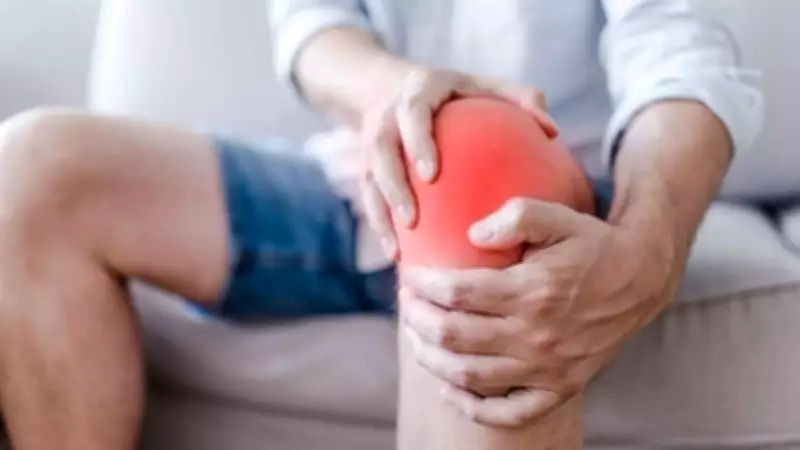
Knee pain is no longer just a problem for the elderly; it increasingly affects younger individuals as well. This discomfort often stems from conditions like arthritis, inflammation, or physical injuries. However, modern lifestyle factors such as sedentary habits, lack of physical activity, poor posture, unhealthy dietary choices, and high-stress levels are significant contributors to knee issues. While persistent pain can be alarming, minor to moderate cases can often be managed effectively at home with simple and proven strategies.
1) Postural Corrections for Knee Health
Maintaining the right posture is crucial in alleviating knee pain. Here are key adjustments to incorporate into your daily routine:
- Avoid sitting for prolonged periods with bent knees. Make it a habit to stand up and walk around every 30 minutes.
- When seated, keep your knees straight or elevated to reduce strain.
- Opt for Western-style toilets over Indian ones to minimize knee bending.
- Stand evenly on both feet, as leaning more weight on one leg can exacerbate imbalances and worsen knee problems.
2) Yoga Asanas to Relieve Knee Pain
Strengthening leg muscles through yoga can help relieve pressure on the knees. The following asanas are recommended for pain relief:

- Hastapadangushthasana (one leg variation – lying down)
- Hastapadangushthasana (twist variation)
- Yashtikasana
- Talasana
- Shavasana
It is equally important to avoid asanas that strain the knees by requiring bending. Steer clear of:
- Utkatasana
- Vakrasana
- Ushtrasana
- Virbhadrasana
- Sukhasana (only if pain is mild)
- Pavanamuktasana (only if pain is mild, by holding thighs)
3) Weight Management for Knee Support
Obesity is a leading cause of chronic knee issues, as excess body weight places additional stress on the joints, leading to various problems. To mitigate this, focus on reducing weight through regular exercise, a balanced diet, and an active lifestyle.
4) Heat and Cold Therapy
Applying a heating pad can relax muscles and improve joint lubrication, offering pain relief. Conversely, a cold pack helps reduce inflammation and swelling. Always use a pack instead of applying ice directly to the skin to prevent burns.
5) Dietary Remedies to Combat Inflammation
Incorporate more fruits and vegetables into your diet, as they are rich in antioxidants and anti-inflammatory compounds that can alleviate knee inflammation. Berries, apples, spinach, grapes, and pomegranates are particularly effective. Avoid non-vegetarian, processed, sugary, and salty foods, which may worsen inflammation.
Increase your intake of whole grains, such as brown rice instead of white rice, to help prevent joint issues. Limit consumption of dal, as it can stiffen joints, and avoid oils high in omega-6 fatty acids like safflower, sunflower, and vegetable oil. Opt for olive oil, known for its excellent anti-inflammatory properties.
6) Mental Relaxation Techniques
Stress can lead to muscle stiffness, reducing elasticity, flexibility, and weight-bearing capacity, thereby increasing pressure on knee joints and accelerating degeneration. It is essential to keep your mind calm and happy. Practice these techniques to relax:
- Nispanda bhava
- Sukhasana
- Shavasana
Knee strength is vital for supporting the entire body during walking and standing. Any knee problem can severely limit daily activities and mobility. By following these yoga techniques and lifestyle disciplines, you can take proactive steps to care for your knees and enhance overall well-being.