

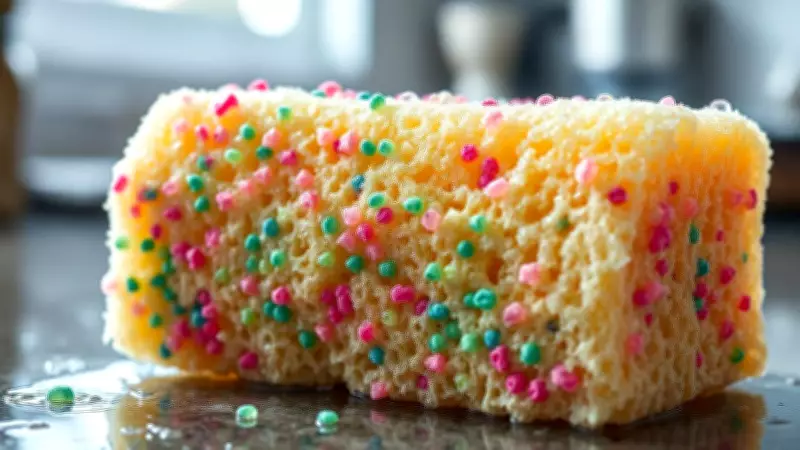
The Dirty Truth About Your Kitchen Sponge
For most households, the kitchen sponge stands as a symbol of cleanliness, tirelessly scrubbing plates, wiping countertops, and tackling spills. However, beneath its colorful and porous surface lies a surprising reality: it often functions more as a bacterial breeding ground than an effective cleaning agent.
Why Sponges Become Microbial Hotels
The design of sponges creates an ideal environment for microbes. Warm, moist, and porous, these properties act like a luxurious hotel for microscopic life. Every use, such as cleaning raw chicken or vegetable peels, invites new "guests" into the sponge. Since sponges rarely dry completely between cleaning sessions, these microbes thrive and multiply exponentially, turning your sink into a hub of unseen activity.
The Microscopic Tenants in Your Sink
To grasp the scale of this issue, consider the vast number of microscopic organisms that can inhabit a household sponge. Research, including a study titled "Microbiological quality of kitchen sponges used in university student dormitories" published in BMC Public Health, highlights why kitchen sponges rank among the dirtiest objects in homes. Levels of aerobic bacteria often exceed those deemed acceptable for food preparation environments.

Concerns escalate with the types of bacteria found. A prominent study in the Journal of Applied Microbiology identified opportunistic pathogenic bacteria like Cronobacter sakazakii in sponges, which can cause severe infections, particularly in vulnerable groups. Additionally, sponges can harbor antibiotic-resistant bacteria, as the moist environment fosters diverse microorganisms that resist cleaning efforts.
The Risk of Cross-Contamination
Using a sponge to clean multiple surfaces may seem effective, but it often merely shifts bacteria around, leading to cross-contamination. This process can spread pathogens from cutting boards to kitchen handles and refrigerator handles, with bacteria lingering on stainless steel and plastic long after the sponge has moved on.
Safer Alternatives: Dish Brushes and Best Practices
If this sounds alarming, researchers offer a simpler solution: the dishwashing brush. Studies, such as those from BMC Public Health, reveal that plastic brushes, with their non-porous and quick-drying surfaces, lack the capacity to harbor bacteria like sponges do. Harmful microbes on brushes tend to dry up and die within hours, reducing health risks.
While some opt for antimicrobial sponges with silver or chemicals, research shows that within a few weeks of use, bacterial levels on these sponges are not significantly different from conventional ones. The most practical approach is to treat sponges as disposable items.
- Replace sponges every week, regardless of appearance.
- Use separate sponges or tools for different surfaces, such as one for the sink and another for food-contact areas, to prevent cross-contamination.
- Discard sponges immediately if they develop an odor, as this indicates bacterial gas production.
Transforming Your Kitchen into a Safe Hub
A clean kitchen begins by breaking the "wet cycle" of sponges. Whether you choose dish brushes or commit to weekly sponge replacements, the key is ensuring your cleaning tools actually clean. By understanding these dynamics, you can foster a safer and more vibrant kitchen environment, free from hidden bacterial threats.






