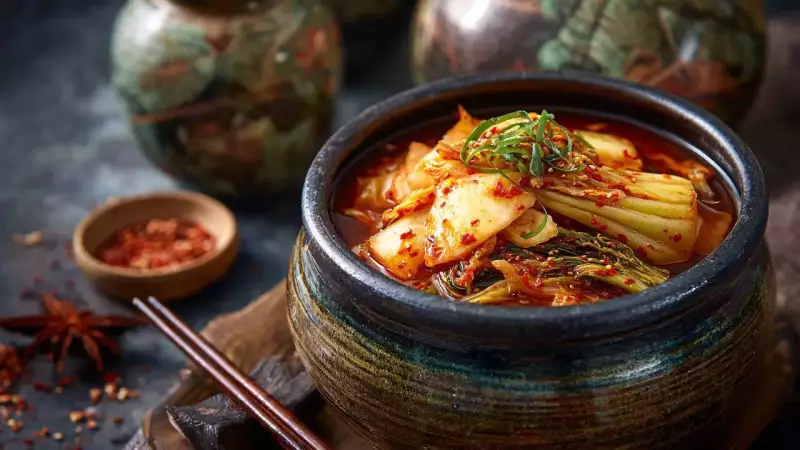
Once confined to Korean dining tables, kimchi has now captured the attention of scientists and health enthusiasts worldwide. This shift from kitchen staple to subject of rigorous scientific study is driven by its profound connection to our immune system and gastrointestinal functions. Today, kimchi is celebrated not just as a cultural dish but as one of the most researched fermented foods, serving as a prime example of how microorganisms can naturally enhance a food's nutritional profile.
The Science Behind Kimchi's Nutritional Powerhouse
The secret to kimchi's health benefits lies in the fascinating biochemical dance of fermentation. A systematic review protocol published in the journal Medicine examined controlled clinical trials on kimchi consumption. It highlighted the dish's rich composition of fibre, vitamins, minerals, and live lactic acid bacteria. These components work holistically, influencing gut flora, lipid metabolism, and markers of oxidative stress—all critical for a robust immune response.
Fermentation acts as a natural alchemist. It breaks down the raw vegetables, making their nutrients more bioavailable and creating new beneficial compounds. Key ingredients like garlic, ginger, and chilli contribute phytochemicals with antioxidant and antimicrobial properties, resulting in a food that is nutrient-dense yet low in calories.

The core nutritional elements that make kimchi an immune ally include:
- Dietary Fibre: From cabbage and other vegetables, it aids digestion and fosters a healthy gut microbiome.
- Live Lactic Acid Bacteria: These probiotics, born during fermentation, contribute to microbial diversity in the gut.
- Antioxidants: Vitamin C and carotenoids help protect cells from oxidative damage.
- Essential Minerals: Iron and calcium play vital roles in oxygen transport and cellular communication.
- Bioactive Compounds: From garlic, ginger, and chilli, offering additional antioxidant and antimicrobial support.
How Eating Kimchi Strengthens Your Body's Defences
The immune system thrives in a balanced internal environment with controlled inflammation and ready access to essential nutrients. Kimchi supports this balance through its multi-pronged effects on gut health, metabolism, and inflammation.
The gut is where nearly 70% of the body's immune cells reside, making it a central hub for immunity. By promoting a diverse and healthy gut microbiota, the live bacteria and fibre in kimchi help create an environment that primes the immune system for a measured response to pathogens, rather than triggering excessive inflammation.
Research links kimchi consumption to several immune-related benefits:
- Enhancing the diversity of gut bacteria and their interaction with intestinal immune cells.
- Providing antioxidants that shield immune cells from damage.
- Helping regulate iron levels, crucial for haemoglobin and proper immune function.
- Supporting metabolic health and exerting anti-inflammatory effects.
- Offering natural fermented agents that may inhibit the growth of harmful microbes.
Your Guide to Crafting Homemade Kimchi
Making kimchi at home allows you to control the quality of ingredients and the salt content, while embracing the traditional, slow-fermentation process. It requires no special starters—just simple hygiene, patience, and a few key ingredients.
Ingredients:
- Napa cabbage, cut into large pieces
- Non-iodized salt for drawing out moisture
- Fresh garlic cloves, finely minced
- Fresh ginger, grated
- Korean red chilli powder (gochugaru)
- Water for rinsing and brining
- Optional: Fermented shrimp paste or a plant-based alternative for depth of flavour
Steps:

- Generously salt the cabbage pieces and let them wilt for a few hours.
- Rinse the cabbage thoroughly to remove excess salt and drain well.
- Create a paste by mixing garlic, ginger, chilli powder, and a little water.
- Massage the paste evenly into the cabbage leaves.
- Pack the mixture tightly into a clean jar, pressing down to remove air pockets.
- Leave the jar at room temperature for several days to ferment, tasting until desired tanginess is achieved.
- Once ready, store in the refrigerator to significantly slow the fermentation process.
This homemade version preserves the fibre, nutrients, and live cultures that make kimchi a convenient and potent addition to a health-conscious diet, connecting you to an ancient tradition of food preservation with modern science-backed benefits.