Is Drinking Only When Thirsty Enough? Expert Hydration Tips for 2026
For years, many people have followed the simple rule of drinking water only when they feel thirsty. However, emerging health research in 2026 is challenging this conventional wisdom, suggesting that thirst alone may not be a reliable indicator of adequate hydration. This revelation has prompted experts to reevaluate hydration strategies to promote better health and prevent dehydration-related issues.
Why Thirst Might Not Be Enough
Thirst is the body's natural signal that it needs fluids, but it often appears only after mild dehydration has already set in. By the time you feel thirsty, your body may have lost a significant amount of water, which can impact physical and cognitive functions. Factors such as age, climate, and activity level can further delay thirst signals, making it an insufficient guide for maintaining optimal hydration.
Signs of Dehydration to Watch For
Recognizing early signs of dehydration is crucial for timely intervention. Common symptoms include:

- Dry mouth and lips
- Fatigue or dizziness
- Dark yellow urine
- Headaches
- Reduced urine output
If you experience these signs, it's essential to increase your fluid intake immediately, regardless of whether you feel thirsty.
Optimal Hydration Strategies for 2026
To ensure proper hydration, experts recommend proactive measures rather than relying solely on thirst. Here are some effective tips:
- Drink Water Regularly: Aim for consistent intake throughout the day, not just during meals or when thirsty. A general guideline is about 8-10 glasses daily, but this can vary based on individual needs.
- Monitor Urine Color: Light yellow or clear urine typically indicates good hydration, while dark yellow suggests a need for more fluids.
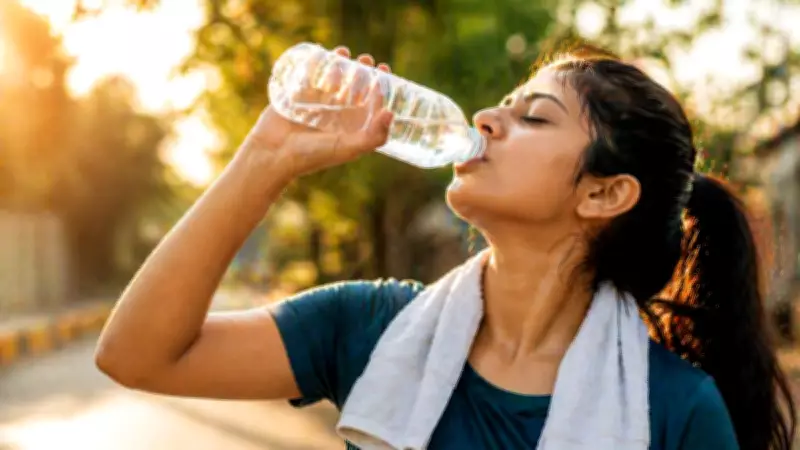
- Consider Environmental Factors: In hot or humid weather, or during physical activity, increase your water intake to compensate for fluid loss through sweat.
- Incorporate Hydrating Foods: Fruits and vegetables like watermelon, cucumbers, and oranges have high water content and can contribute to overall hydration.
- Use Technology: Hydration apps or smart water bottles can help track your intake and remind you to drink water regularly.
Who Is at Higher Risk?
Certain groups are more susceptible to dehydration and should be especially vigilant:
- Older Adults: Aging can diminish thirst sensation, making it easier to become dehydrated.
- Athletes: Intense exercise leads to significant fluid loss, requiring increased hydration before, during, and after activity.
- Children: They may not always recognize thirst cues and need encouragement to drink water regularly.
- People with Chronic Illnesses: Conditions like diabetes or kidney disease can affect fluid balance, necessitating careful monitoring.
Conclusion
While thirst is a valuable indicator, it should not be the sole basis for hydration decisions. By adopting a proactive approach—drinking water regularly, watching for dehydration signs, and adjusting intake based on lifestyle factors—you can maintain optimal hydration levels in 2026 and beyond. Staying properly hydrated is key to supporting overall health, from boosting energy to enhancing cognitive function.