

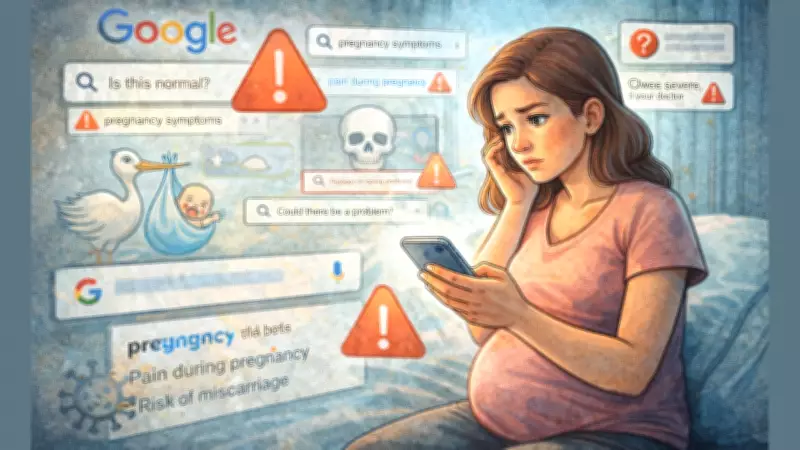
The Digital Shift in Pregnancy Experiences
Pregnancy in the contemporary era starkly contrasts with the experiences of twenty or thirty years ago. In the past, women primarily relied on guidance from mothers, grandmothers, neighbors, and doctors, creating a close-knit support system. Today, however, the landscape has transformed dramatically. When a woman takes a pregnancy test, she often turns to the internet first, rather than family members, marking a significant cultural shift.
The Overwhelming Flood of Online Information
Google and other digital platforms have become the go-to sources for pregnancy-related queries. A single symptom search can unleash a torrent of content: ten articles, five YouTube videos, three Reddit discussions, and two Instagram reels, all offering conflicting advice. Some sources claim symptoms are normal, others urge immediate medical attention, and personal anecdotes range from reassuring to alarming. This deluge of information does not necessarily foster calm; instead, it frequently heightens anxiety among expectant mothers.
Medical professionals now identify information overload as a major issue, replacing the historical problem of insufficient knowledge. Previously, women faced fears due to lack of information, but today, they grapple with fears stemming from an excess of data, albeit for different reasons. Every minor symptom—be it a headache, back pain, reduced fetal movement, cramps, or sleep disturbances—triggers a search, often spiraling into multiple queries that lead to worst-case scenarios found online.

The Psychological Impact of Excessive Searching
Research indicates that compulsive internet searching about health symptoms, particularly during pregnancy, can exacerbate anxiety. This phenomenon, sometimes termed information anxiety, occurs when individuals encounter rare complications online and begin to fear they will experience them. The internet, designed to provide information, lacks the capacity to offer reassurance or emotional support, leaving users feeling more unsettled.
Moreover, modern pregnancy has become highly tracked through apps that monitor fetal development, diet, physical activity, sleep patterns, and baby movements. While these tools offer insights, pregnancy remains inherently unpredictable, with variations in bodies, babies, and experiences. No digital platform can fully predict an individual's pregnancy journey, leading many mothers to report that constant mental scrutiny—worrying about diet, sleep, exercise, and fetal activity—is more challenging than physical discomfort.
Expert Insights and Recommendations
Dr. Mannan Gupta, Chairman & HOD - Obstetrics & Gynaecology at Elantis Healthcare New Delhi, observes that many women today initiate their pregnancy journey by researching online to gain knowledge. While this can empower some, it easily overwhelms others, resulting in more questions than answers and unnecessary anxiety. Excessive online searching often leads to overthinking normal symptoms, comparing pregnancies with others, and experiencing low self-esteem or panic.
This behavior can also disrupt sleep, mental health, and emotional stability, causing women to doubt their bodies. In severe cases, heightened anxiety may even delay seeking appropriate medical care. To manage this, doctors advocate a simple, almost primitive approach: limit random internet searches and rely on trusted medical providers. Utilizing credible sources and openly discussing fears with healthcare professionals can alleviate anxiety and promote a calmer, more positive pregnancy experience.
The focus should remain on maintaining physical, emotional, and mental well-being through expert medical guidance rather than excessive online exploration. By prioritizing professional advice over digital noise, expectant mothers can navigate pregnancy with greater confidence and reduced stress.






