

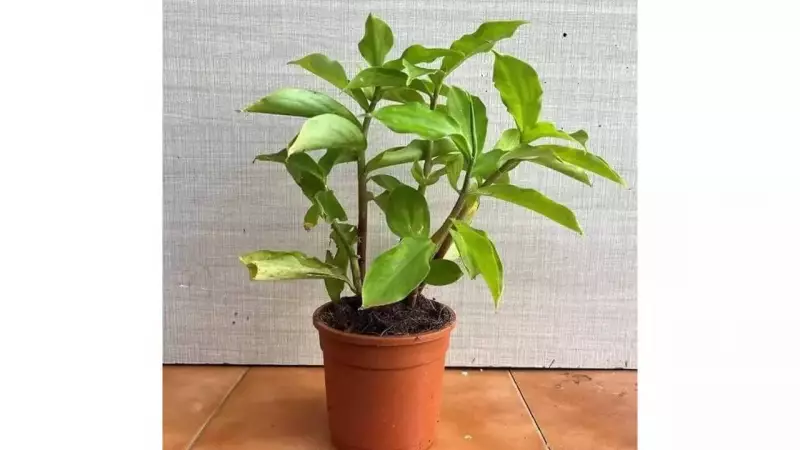
Indoor gardening in India is evolving beyond mere decoration into a powerful tool for fostering a healthier lifestyle. Among the various plants gaining popularity, one stands out for its dual role: the Insulin Plant. This unique species, known scientifically as Costus igneus, is becoming a favourite in households, blending ornamental beauty with traditional medicinal value.
What is the Insulin Plant (Costus Igneus)?
The Insulin Plant is a tropical perennial herb native to India, also commonly called 'spiral flag' due to the spiral arrangement of its leaves. It features broad, glossy green leaves and thrives in warm, humid environments. Traditionally, its leaves have been used in small quantities as part of Ayurvedic and folk medicine, primarily by individuals managing blood sugar levels.
For indoor gardening enthusiasts, it presents an excellent choice, offering aesthetic appeal alongside potential wellness benefits. Its cultivation requires minimal expense and simple care, making it a practical and rewarding addition to any indoor space.

How to Plant and Grow the Insulin Plant at Home
Starting your own Insulin Plant requires some basic materials and patience, especially during the initial growth phase. Here is a step-by-step guide:
Materials Required:
- Healthy cuttings or rhizomes of the Insulin Plant.
- A medium to large earthen or ceramic pot with adequate drainage holes.
- Coco Peat.
- Vermicompost or well-rotted organic manure.
- Clean water.
Using high-quality materials ensures better rooting and robust growth indoors.
Planting Process:
- Select a pot with good drainage and enough space for root development.
- Prepare a soil mixture using equal parts of coco peat and vermicompost.
- Fill the pot with this mixture, leaving some space at the top.
- Plant the cutting or rhizome diagonally into the soil.
- Gently press the soil around the base to secure the plant.
- Water thoroughly to help settle the soil around the roots.
Remember, initial growth may be slow, and patience is key for the first few weeks. New shoots typically emerge after 20 to 25 days.
Ideal Conditions for Thriving Insulin Plants
To ensure your plant prospers, paying attention to its location and care routine is crucial.
Light and Location: The Insulin Plant prefers bright, indirect sunlight. Place it near a window with filtered light. Avoid exposing it to harsh, direct sunlight, which can scorch the leaves, and keep it away from cold drafts or air conditioning vents. Insufficient light, however, can stunt its growth.
Watering and Nutrition: Consistent moisture is vital. Water the plant regularly to keep the soil moist but never waterlogged, as this can cause root rot. For nutrition, apply organic compost or manure once a month. Avoid over-fertilizing, as the plant has modest nutrient requirements.
Traditional Health Benefits and Responsible Use
The Insulin Plant is highly valued in traditional practices for several potential health benefits:
- It is believed to help in managing healthy blood sugar levels naturally.
- May contribute to improved insulin sensitivity.
- Rich in antioxidants that promote overall health.
- Can aid digestion and relieve gastrointestinal discomfort.
- Possesses anti-inflammatory properties.
- Its vitamin composition may help support immunity.
It is imperative to note that these benefits are based on traditional use. The plant should be consumed responsibly and as part of a balanced lifestyle, not as a substitute for professional medical advice or treatment.
Additional Care Tips for a Healthy Plant
To keep your indoor Insulin Plant thriving, follow these simple tips:

- Occasionally prune any dry or damaged leaves.
- Rotate the pot periodically to ensure even light exposure on all sides.
- Monitor for pests, though indoor plants generally have low risk.
- Maintain a warm indoor temperature, as the plant is tropical.
By integrating the Insulin Plant into your home, you embrace a piece of traditional wellness and add a touch of natural greenery. Its ease of care and potential benefits make it a standout choice for modern indoor gardens across India.





