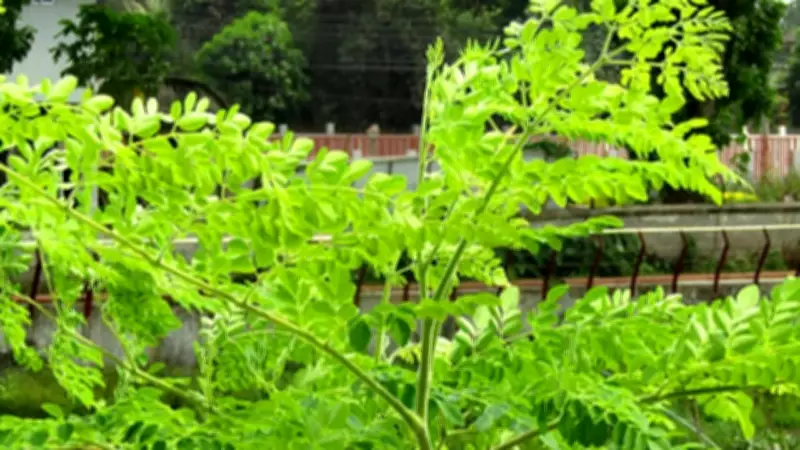
How to Grow Moringa Tree at Home: Simple Step-by-Step Guide for Beginners
The moringa tree, often called the "miracle tree" for its exceptional nutritional value, has gained popularity as an easy-to-grow plant for beginners. Its nutritious leaves and simple cultivation make it an ideal choice for anyone seeking a rewarding and beneficial plant to nurture at home. One of its greatest advantages is that it can be grown not only in garden soil but also in large containers, making it suitable for any space, including gardens, terraces, or balconies. With proper soil, sunlight, and care, even novice gardeners can successfully cultivate a healthy moringa tree. Below is a comprehensive overview of the steps required for success.
Select the Right Planting Method
There are two primary ways to grow moringa: from seeds or from cuttings. For beginners, planting seeds is the preferred method because fresh, healthy moringa seeds germinate easily and grow quickly. Seeds can be sown directly into the soil or started in small pots. Plant them about one inch deep in prepared soil. Within one to two weeks, the first sprouts will appear, signaling the start of your moringa journey.
Use Well-Drained Soil to Ensure Healthy Roots
The quality of the soil is crucial for moringa cultivation. This plant thrives in light, well-drained soil that prevents excess water from accumulating around the roots. A mixture of garden soil, sand, and compost is highly recommended. Avoid planting moringa in heavy clay soil, as it often leads to root problems and poor growth.

Ensure Sufficient Sunlight Exposure
Moringa requires plenty of sunlight to flourish. It grows best in warm climates and needs at least six hours of direct sunlight daily. Place your seedlings in a location where they can receive ample sunlight, as this accelerates development and strengthens the stems. Insufficient sunlight often results in weak, poor-quality plants.
Water in Moderation
Moringa is a drought-resistant plant that requires minimal watering. However, during the initial growth stages, it is important to provide enough moisture. Water the plant when the top layer of soil feels dry, but avoid overwatering, as soggy conditions can harm the roots. Once established, moringa can tolerate dry spells with ease.
Prune Periodically
Regular pruning is essential for maintaining a healthy moringa tree. Trim back the branches once a month to encourage a fuller appearance and promote more leaf growth. Pruning also helps control the plant's size, preventing it from becoming too tall and unmanageable.
Fertilize Occasionally
Moringa does not require heavy fertilization, but occasional feeding can boost its growth. The best option is to use organic compost, applied sparingly around the base of the plant. This provides essential nutrients without the risk of chemical buildup.
By following these simple steps, you can enjoy the benefits of a thriving moringa tree at home. Whether for its nutritious leaves or its ornamental appeal, this miracle tree is a rewarding addition to any garden.