

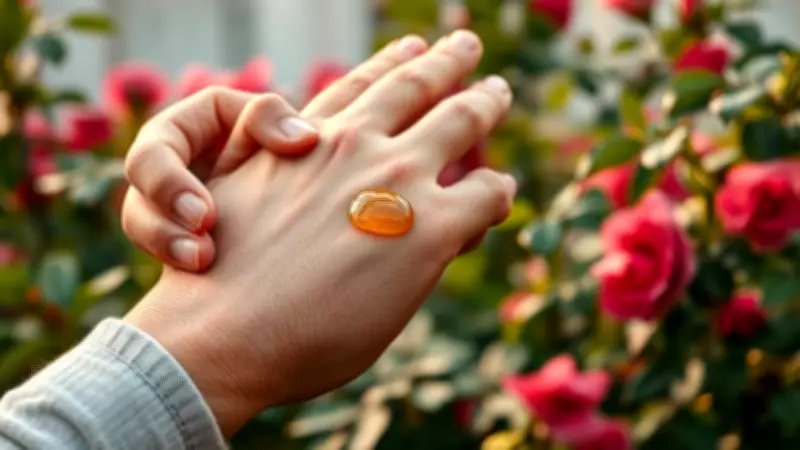
Honey's Healing Power: Ancient Remedy for Modern Wounds and Scrapes
While working in the garden pruning roses or completing weekend tasks in the shed, a sharp thorn or piece of wood can easily cause a vivid red scrape. The immediate reaction is often to reach for an over-the-counter antiseptic lotion. However, a growing number of do-it-yourself enthusiasts are now turning to a more natural solution found right in their kitchen: honey.
This golden fluid, commonly known as a sweetener for beverages, possesses remarkable healing properties that have been utilized for centuries in ancient Egypt and Rome to treat skin conditions. Honey is increasingly being recognized as one of the most effective natural substances for wound healing, offering a gentle yet powerful alternative to conventional treatments.
The Science Behind Honey's Natural Chemical Makeup
What makes honey such an exceptional treatment for minor wounds? The answer lies in its unique chemical composition. When applied to a fresh injury, honey forms a protective layer that serves as more than just a barrier against dust and germs. This is detailed in research titled Honey: An Advanced Antimicrobial and Wound Healing Biomaterial for Tissue Engineering Applications.

One of the most fascinating aspects of honey is its ability to produce hydrogen peroxide. Upon contact with the moisture in your skin, honey generates an antibacterial effect, eliminating the need for harsh, pain-inducing over-the-counter peroxide solutions. Instead, it cleanses the wound gently and effectively.
The acidic content of honey further reduces the pH level, creating an environment where bacteria cannot survive. Beyond its antimicrobial properties, honey excels at moisture retention. Unlike dry dressings that may stick to injuries and damage newly formed cells, honey absorbs moisture to keep the affected area properly hydrated.
This moist environment is crucial for accelerated healing, allowing cells to regenerate without forming dry, itchy scabs that can impede recovery.
Regenerative Medicine from Nature's Pharmacy
Honey's value in self-treatment extends beyond infection prevention to actively supporting tissue regeneration. As described in the article Honey, Wound Repair and Regenerative Medicine, honey acts as a "fuel source" that provides essential nutrients for rapid cell growth.
When a scratch becomes hot, red, and throbbing, you're experiencing the body's inflammatory response. While some inflammation is beneficial for healing, excessive inflammation can be painful and delay recovery. Honey serves as a natural anti-inflammatory agent, calming swelling and neutralizing free radicals to reduce discomfort and promote healing.
This ancient practice offers a natural, effective alternative for everyday scrapes and even advanced medical applications, demonstrating that some of the best medicines come directly from the hive. Scientists are now exploring sophisticated medical applications for honey, including hydrogel formulations for surgical wound healing.
For everyday use, honey provides a convenient and readily available solution to prevent gardening injuries from developing into difficult-to-remove scars.
How to Incorporate Honey into Your Daily First Aid Routine
Integrating honey into your home first aid kit is straightforward when following proper guidelines:
- Clean the wound: Begin by washing the scrape with water to remove any dirt or debris that may have accumulated during outdoor activities.
- Apply honey: Spread a thin layer of honey directly over the cleaned wound.
- Secure the application: If the honey feels sticky, cover it with a gauze pad or adhesive tape to keep it in place and prevent staining on clothing.
- Choose the right honey: Opt for raw or medical-grade honey, as these varieties contain the highest concentrations of beneficial enzymes and antioxidants.
As explained in the comprehensive review Role of Honey in Advanced Wound Care, honey's effectiveness stems from the synergy among its various properties. It's not just one component doing all the work—the antimicrobial, anti-inflammatory, and moisturizing qualities combine to create a powerful healing effect.

This time-tested traditional method aligns perfectly with today's growing preference for chemical-free solutions. The best medicines don't always originate in laboratories; sometimes, they come from the industrious work of bees in their hives, offering natural healing that has stood the test of time across civilizations.





