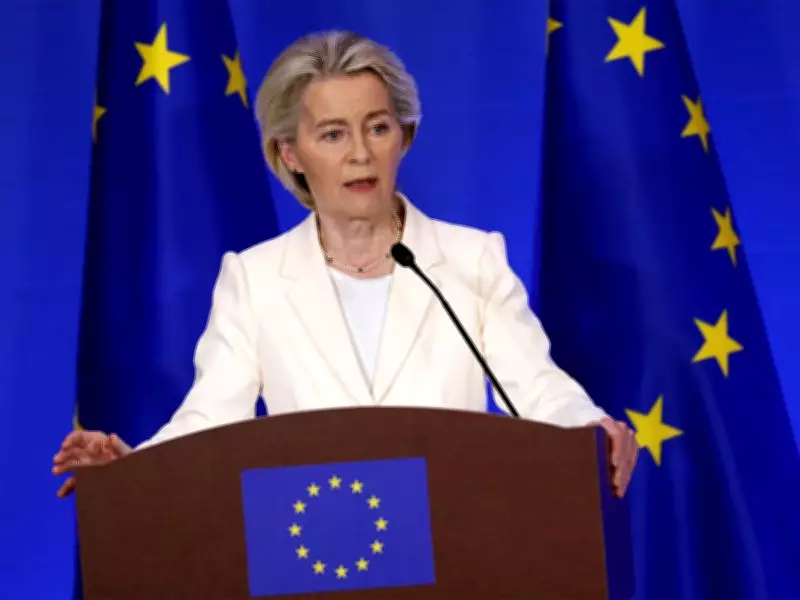
EU Chief Stresses Paramount Importance of Strait of Hormuz Navigation Freedom
The European Union's chief diplomat has made a strong declaration, asserting that the restoration of freedom of navigation in the Strait of Hormuz is of paramount importance for international security and economic stability. This statement comes amid ongoing tensions in the region, which have raised concerns about the safety of one of the world's most critical maritime chokepoints.
Critical Role of the Strait in Global Trade
The Strait of Hormuz is a narrow waterway located between Iran and Oman, serving as a vital passage for a significant portion of the world's oil and gas shipments. It is estimated that approximately one-fifth of global oil consumption passes through this strait, making it a linchpin for energy markets and international trade flows. Any disruption to navigation here can have far-reaching consequences, impacting fuel prices and supply chains worldwide.
The EU's stance underscores the strategic necessity of maintaining open and secure sea lanes in this area. The bloc has been actively involved in diplomatic efforts to de-escalate regional conflicts and ensure that commercial vessels can operate without hindrance. This focus aligns with broader European interests in safeguarding energy supplies and promoting peaceful resolution of disputes.

Implications for Global Security and Diplomacy
Recent incidents, including attacks on ships and heightened military activities, have highlighted the fragility of maritime security in the Strait of Hormuz. The EU chief's remarks signal a commitment to upholding international law, particularly the United Nations Convention on the Law of the Sea, which guarantees freedom of navigation. By prioritizing this issue, the EU aims to foster cooperation among nations and prevent escalations that could threaten global peace.
This emphasis on navigation freedom is not just about economic interests; it is also a cornerstone of diplomatic stability in the Middle East. The EU has called for dialogue and multilateral approaches to address underlying tensions, such as those involving Iran and other regional actors. Ensuring safe passage through the strait is seen as essential for reducing conflict risks and supporting humanitarian efforts in the area.
Future Steps and International Response
Looking ahead, the EU plans to continue its engagement through forums like the United Nations and partnerships with key stakeholders, including the United States and Gulf countries. Potential measures may include enhanced maritime surveillance, joint patrols, or sanctions against entities that threaten navigation safety. The international community's response will be crucial in determining whether the strait remains a reliable conduit for global trade.
In summary, the EU chief's declaration reinforces the critical need to protect freedom of navigation in the Strait of Hormuz. As geopolitical tensions persist, this issue remains at the forefront of global security discussions, with significant implications for economies and international relations worldwide.