Historic Cross-Border Kidney Transplant Unites Siblings Divided by Partition
In an extraordinary demonstration of familial love transcending geopolitical divisions, a sister from India has donated her kidney to save her brother from Bangladesh, creating medical history in eastern India. This pioneering transborder organ transplant represents the first documented case of its kind in the region, showcasing how human bonds can overcome man-made boundaries.
A Family Divided by History, United by Blood
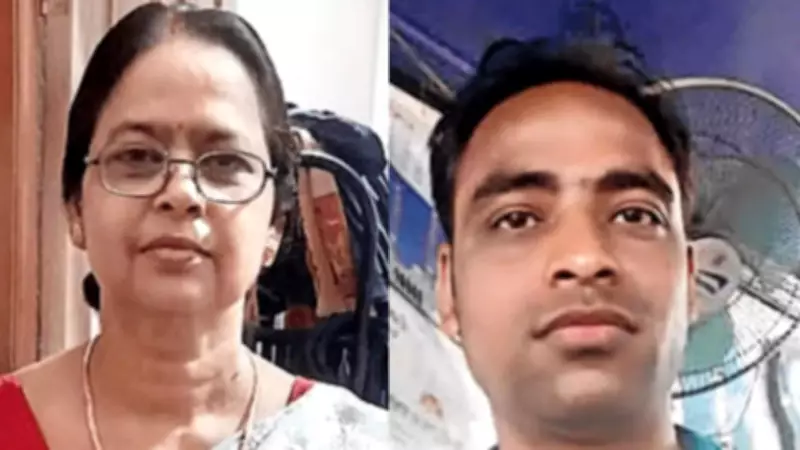
The remarkable story centers on Swapan Biswas, a 43-year-old fish trader from Satkhira, Bangladesh, and his elder sister Anupa Biswas, a 55-year-old Indian citizen residing in Burdwan, West Bengal. Their family history mirrors the turbulent partition of the Indian subcontinent. During the 1971 Bangladesh Liberation War, their parents fled to India while their mother was pregnant with Anupa.
The family sought refuge in Burdwan for several years before eventually returning to their ancestral home in Bangladesh's Satkhira district. Before departing, they arranged Anupa's marriage to a man in Burdwan, leaving her behind in India while taking their three other children, including young Swapan, back to Bangladesh.

Medical Crisis and Sisterly Sacrifice
Swapan's health deteriorated significantly when he developed end-stage kidney failure in 2018, forcing him onto regular dialysis treatments. The debilitating condition cost him his livelihood as a fish trader, leaving him dependent on financial support from his three sisters—Anupa in India and two others in Bangladesh.
When doctors at Kolkata's prestigious RN Tagore International Institute of Cardiac Sciences (RTIICS) recommended a kidney transplant as the only viable long-term solution, Anupa immediately volunteered to donate one of her kidneys. Medical tests revealed an extraordinary 100% genetic match between the siblings, making them an ideal donor-recipient pair despite their separation by international borders.
Navigating Uncharted Legal Waters
The unprecedented nature of this cross-border donation created significant bureaucratic challenges. The documentation process for obtaining the necessary No Objection Certificate (NOC) proved particularly lengthy and complex, as this represented the first such case in eastern India.
"The documentation of the legal papers took a long time, as this was probably the first case of cross-border donation of kidney," explained Sharmitha Biswas, daughter of the donor and niece of the recipient. "But the transplant team, especially Dr. Pratik Das and Jayanta Mukherjee, who deals with international patients for the hospital, helped us sail through to get the NOC."
Successful Surgery and Recovery
On January 3, Swapan underwent successful kidney transplant surgery performed by a multidisciplinary team including nephrologist Dr. Pratik Das and renal transplant surgeon Dr. Tarshid Ali Jahangir. The medical procedure proceeded smoothly, with Anupa being discharged just one week post-transplant, while Swapan required additional hospital care before being declared fit for release.
Swapan will remain in Kolkata for several weeks for essential follow-up care and monitoring. Reflecting on his sister's extraordinary sacrifice, he emotionally shared: "I did not want to trouble anyone and asked them to leave me to my fate. But my sister was firm that she would part with one of her kidneys for me. My brother-in-law and niece stood by her side."
Medical Milestone with Broader Implications
Dr. Pratik Das, the nephrologist who oversaw the transplant, emphasized the historic significance of this medical achievement: "This rare cross-border transplant is a testament to how love, blood relations and humanity transcend manmade boundaries—an event happening for the first time in eastern India."

While organ donation among blood relatives is not uncommon, this case establishes an important precedent for transborder medical cooperation. The siblings' story emerges against a backdrop of recent political turbulence in Bangladesh and occasionally strained relations between the two neighboring countries.
Despite these geopolitical challenges, Swapan and Anupa remain hopeful that their nations will strengthen their friendship, just as their personal bond has proven stronger than any border. Their journey from separation by historical circumstances to reunion through medical necessity serves as a powerful reminder that humanity ultimately knows no boundaries.