

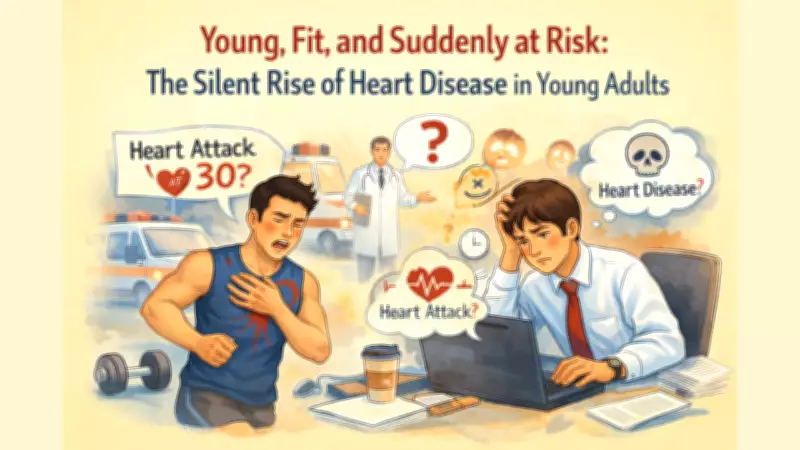
The New Face of Heart Disease: Why Young Adults Are at Increasing Risk
They were young, active, and seemingly healthy. Yet they became victims of a health crisis traditionally associated with older age. A disturbing trend is emerging across India as heart disease increasingly targets young adults in their 20s, 30s, and 40s.
Consider these recent cases: A young tech professional in Bengaluru, working long hours and managing multiple deadlines, suddenly collapsed from a heart attack with no prior warning signs. Around the same time, a 40-year-old fitness enthusiast in Pune suffered cardiac arrest during a workout session. These individuals didn't fit the traditional profile of heart disease patients, yet they experienced serious cardiac events that disrupted the common belief that youth and fitness provide automatic protection.
What's Driving This Alarming Shift?
According to Dr. Purshotam Lal, Interventional Cardiologist and Chairman of Metro Group of Hospitals, this isn't a sudden surge but rather the early manifestation of long-standing lifestyle imbalances. "Younger individuals today are exposed to chronic stress, irregular routines, poor dietary patterns, and reduced physical activity from an early age," explains Dr. Lal. "When you add increasing prevalence of smoking, vaping, and undiagnosed metabolic conditions like hypertension and diabetes, you have a perfect storm for heart problems."

The most concerning aspect is that many young individuals remain asymptomatic until a major cardiac event occurs. The body adapts silently to these stressors until it reaches a breaking point.
Why Early Detection Is Crucial
Heart disease in young adults presents unique challenges because warning signs are often subtle and easily dismissed. Symptoms that should raise concern include:
- Unexplained fatigue that persists despite adequate rest
- Palpitations or irregular heartbeats
- Chest discomfort or persistent sensations resembling acidity
- Breathlessness during routine activities
Many young people attribute these symptoms to stress, poor sleep, or general lifestyle fatigue. However, these could be early distress signals from the heart that warrant medical attention.
Lifestyle Factors Contributing to the Crisis
Dr. Lal identifies several lifestyle factors that significantly contribute to early cardiac risk:
- Chronic stress that disrupts hormonal balance and triggers long-term inflammation
- Poor sleep patterns that prevent adequate recovery and restoration
- Sedentary habits combined with ultra-processed diets
- Undiagnosed metabolic conditions like obesity and diabetes
"A stressed individual often sleeps poorly, eats irregularly, and moves less," notes Dr. Lal. "This creates a vicious cycle that accelerates heart disease risk."
Common Myths About Heart Health
Several misconceptions contribute to the rising heart disease rates among young adults:
- Myth 1: Youth automatically protects against heart disease
- Myth 2: External fitness indicates internal heart health
- Myth 3: Occasional exercise offsets poor lifestyle choices
- Myth 4: Normal body weight guarantees heart health
Dr. Lal also warns against extreme fitness trends, crash diets, and unverified supplements that can sometimes do more harm than good.
Simple Changes for Heart Protection
For young adults wanting to protect their heart health starting today, Dr. Lal recommends these sustainable changes:

- Regular physical activity: At least 30 minutes of moderate exercise most days of the week
- Quality sleep: 7-8 hours nightly for proper recovery and heart health
- Balanced nutrition: Reduced processed foods with increased fresh, whole foods
- Stress management: Through mindfulness, hobbies, or maintaining work-life balance
- Preventive health check-ups: Regular screenings to identify risks before complications arise
"The most effective change is often the simplest and most sustainable one," emphasizes Dr. Lal. "Don't ignore subtle symptoms or assume youth provides immunity. Your heart sends signals—learn to recognize them."
As heart disease increasingly affects younger populations, awareness and proactive health management become crucial. The combination of modern lifestyle pressures and delayed medical attention creates a dangerous scenario that requires immediate attention from both individuals and healthcare providers.





