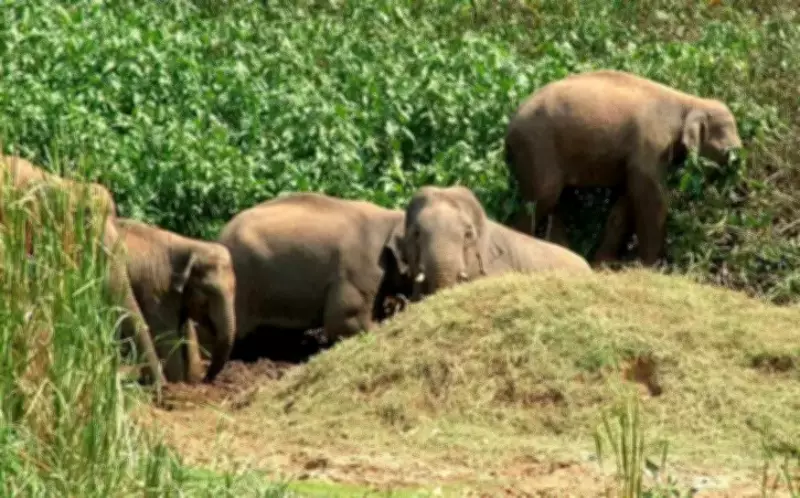
Odisha's Elephant Crisis: 344 Deaths in Four Years, Dhenkanal District Worst Affected
In a sobering revelation to the state assembly, Odisha Forest Minister Ganesh Ram Singhkhuntia disclosed that a staggering 344 elephants have perished in the state over the past four years. The minister provided this detailed breakdown while responding to a specific query from Lanjigarh MLA Pradeep Kumar Dishari, who sought comprehensive data on elephant mortality since 2022 and the underlying causes.
Breakdown of Causes and Annual Mortality Figures
Minister Singhkhuntia clarified the distribution of these tragic deaths, stating, "Of the 344 deaths recorded during this period, 15 were directly caused by accidents and 23 were confirmed cases of poaching. The overwhelming majority of the remaining fatalities have been attributed to natural causes and other contributing factors."
The annual breakdown presents a concerning picture:

- 2022-23: 93 elephant deaths
- 2023-24: 66 elephant deaths
- 2024-25: 105 elephant deaths
- Current Financial Year (2025-26): 80 elephant deaths recorded so far across various regions of the state
District-Wise Analysis Reveals Alarming Hotspots
The minister provided a detailed geographical analysis, highlighting which districts have borne the brunt of this wildlife tragedy. Dhenkanal district emerged as the most severely affected region, reporting 53 elephant deaths. This was followed closely by other districts with significant casualties:
- Keonjhar: 42 deaths
- Mayurbhanj: 39 deaths
- Angul: 39 deaths
- Cuttack: 37 deaths
- Sambalpur: 25 deaths
- Sundargarh: 21 deaths
This district-wise data underscores the widespread nature of the crisis, affecting multiple regions across Odisha.
Government's Multi-Pronged Strategy for Elephant Protection
In response to this escalating crisis, the Odisha government has implemented a series of robust measures aimed at reducing elephant fatalities and strengthening overall wildlife protection mechanisms. Minister Singhkhuntia outlined the key components of this strategy:
Enhanced Anti-Poaching Operations: The state has significantly strengthened its anti-poaching actions, including the deployment of specialized anti-depredation and anti-poaching squads across vulnerable forest areas. These teams conduct regular patrols and maintain constant surveillance to deter and intercept illegal activities.
Technological Integration: The forest department is increasingly utilizing modern technology and scientific methods to monitor wildlife movement patterns and detect potential poacher activity more effectively. This includes advanced tracking systems and surveillance equipment.
Community Engagement through Gajasathi: The government is actively implementing the Gajasathi programme as a core component of its elephant conservation efforts. This initiative focuses on community involvement and creating local stakeholders in wildlife protection.
Incentive-Based Information System: To encourage public participation in conservation, the state is offering financial incentives and rewards to individuals who provide credible information related to poaching activities or other threats to elephants.
Inter-Departmental Coordination for Holistic Conservation
Recognizing that elephant conservation requires a coordinated approach beyond just forest management, the Odisha government has established a joint task force. This body facilitates regular coordination meetings with multiple departments, including Revenue, Energy, and Fisheries and Animal Resources Development. This inter-departmental collaboration aims to address the various human-elephant conflict triggers and create a more comprehensive protection framework.
The minister's detailed assembly response highlights both the scale of the challenge facing Odisha's elephant population and the government's determined efforts to implement protective measures. However, with 80 deaths already recorded in the current financial year, the urgency for effective intervention remains critically high.