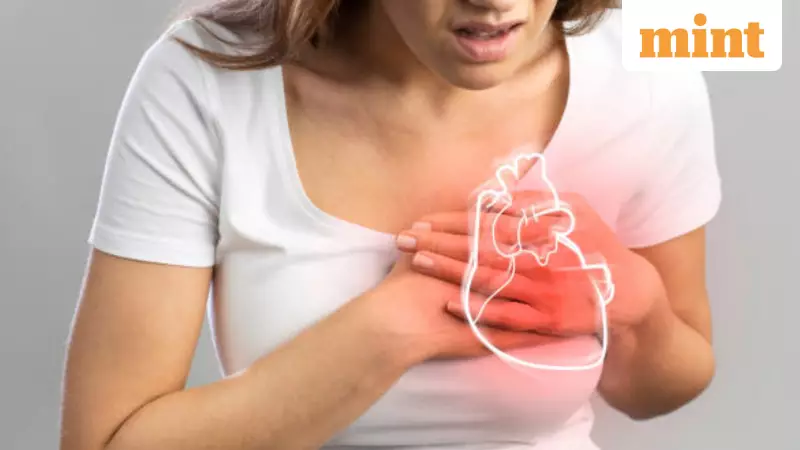
Many people mistakenly believe heart disease primarily affects men. In reality, it stands as the number one cause of death for women across the globe. Women face a heightened vulnerability to heart conditions due to significant hormonal shifts that occur throughout their lives. These changes happen during menstruation, pregnancy, perimenopause, and menopause. Understanding the profound impact hormones have on cardiovascular health is critical for early prevention and effective treatment.
The Critical Hormonal Connection to Heart Health
Dr. Tripti Raheja, Director of Obstetrics and Gynaecology at the CK Birla Hospital in Delhi, explains that estrogen plays a starring role in women's heart health. "During a woman's reproductive years, estrogen performs several protective functions," says Dr. Raheja. "It helps balance cholesterol levels, prevents arteries from hardening, and improves blood circulation through its anti-inflammatory properties. Specifically, estrogen boosts HDL, which is the good cholesterol, while reducing LDL, the bad cholesterol. It also decreases inflammation within blood vessels."
When Hormones Shift: Perimenopause and Menopause
As women enter perimenopause and eventually reach menopause, their estrogen levels begin to fluctuate and then decline sharply. This hormonal transition triggers a cascade of changes that significantly increase the risk of developing heart disease.

Dr. Raheja outlines the key alterations. One major change is a rise in LDL cholesterol, often paired with a drop in HDL cholesterol. Blood vessels simultaneously lose their elasticity, and blood pressure frequently starts to climb. Additionally, women tend to accumulate more fat around their waistline during this period, which is a well-established risk factor for heart problems.
Other Hormonal Disorders and Pregnancy Warnings
The post-menopausal phase can introduce other hormonal issues that affect the heart. For example, Polycystic Ovary Syndrome (PCOS) causes insulin resistance and elevates male hormone levels, known as androgens. These two factors raise the risks of diabetes, obesity, high blood pressure, and subsequent heart disease. Thyroid disorders, particularly an underactive thyroid, can lead to high cholesterol, a slowed metabolism, and force the heart to work much harder.
Pregnancy itself can serve as a powerful warning sign. Complications like gestational diabetes, high blood pressure, and preeclampsia strongly indicate a higher likelihood of future heart disease. "Women who experience these issues during pregnancy are more susceptible to heart disease later in life," Dr. Raheja emphasizes.
Why Women's Heart Disease Symptoms Are Often Overlooked
Heart disease symptoms in women frequently differ from the classic signs seen in men. Instead of experiencing sharp, crushing chest pain, women might feel overwhelming fatigue, shortness of breath, nausea, dizziness, jaw pain, or discomfort in the back. These symptoms are commonly mistaken for stress, anxiety, or simple digestive troubles, leading to dangerous delays in diagnosis and treatment.
Dr. Raheja points to another critical factor. Women often put the health of their family members ahead of their own well-being. This tendency results in fewer routine health screenings. Consequently, risk factors like high blood pressure, cholesterol imbalances, or insulin resistance may go undetected until much later.
Practical Steps to Protect Your Heart Health
Women can actively counter many heart risks linked to hormonal changes through informed lifestyle choices and proper medical attention.

- Make Regular Screening a Priority
Women should schedule regular checks for blood pressure, lipid profiles, blood sugar levels, and waist circumference. This is especially important after age 40, or earlier if there is a family history of heart disease or a history of pregnancy complications. - Embrace a Heart-Healthy Diet
A clean diet rich in whole fruits, vegetables, grains, lean proteins, nuts, and healthy fats provides essential vitamins to combat metabolic changes driven by hormones. Limiting processed foods, added sugars, and trans fats helps control both cholesterol levels and inflammation. - Stay Physically Active
Regular physical activity reduces insulin resistance, aids in maintaining a healthy weight, lowers blood pressure, and helps optimize overall hormone function. - Manage Stress and Prioritize Sleep
Chronic stress elevates cortisol levels, which can lead to abdominal fat, higher blood pressure, and insulin resistance. Practices like mindfulness, yoga, ensuring adequate sleep, and relaxation techniques are vital tools for actively safeguarding heart health. - Seek Timely Medical Advice
Women experiencing early menopause, PCOS, thyroid disorders, or severe symptoms should consult their healthcare provider for a personalized risk assessment. "In some cases, hormone therapy can help alleviate symptoms," notes Dr. Raheja. "However, it is not a suitable option for every woman."
Hormonal changes are a natural part of a woman's life journey, but they can exact a heavy toll on cardiovascular health. By identifying risk factors early and addressing them through conscious lifestyle decisions, women can substantially lower their chances of developing heart disease in the future. Ageing is not the sole architect of a woman's heart health; hormones play a powerful role. Taking proactive steps to manage hormonal health when it matters most is key to protecting your heart.