Understanding All-Purpose Maida and Its Health Impact
All-purpose maida is a highly refined white flour commonly used in kitchens due to its fine texture. It is a staple ingredient in cakes, breads, cookies, pastries, and snacks. The fineness of maida makes it ideal for creating smooth-textured products, and it is also used for thickening sauces, making batters, and preparing dough. Its versatility allows it to be used in both sweet and savory dishes.
Why Is All-Purpose Maida Considered Unhealthy?
The production of all-purpose maida involves extensive refinement of wheat flour, which strips away essential nutrients such as dietary fiber, vitamins, and minerals. While this makes maida suitable for cooking, it is not ideal for regular consumption. Maida is easily digestible and can cause rapid spikes in blood sugar levels. Long-term excessive intake of maida-based products may disrupt healthy eating patterns, especially since more nutritious alternatives are available.
Nutritious Substitutes for All-Purpose Maida
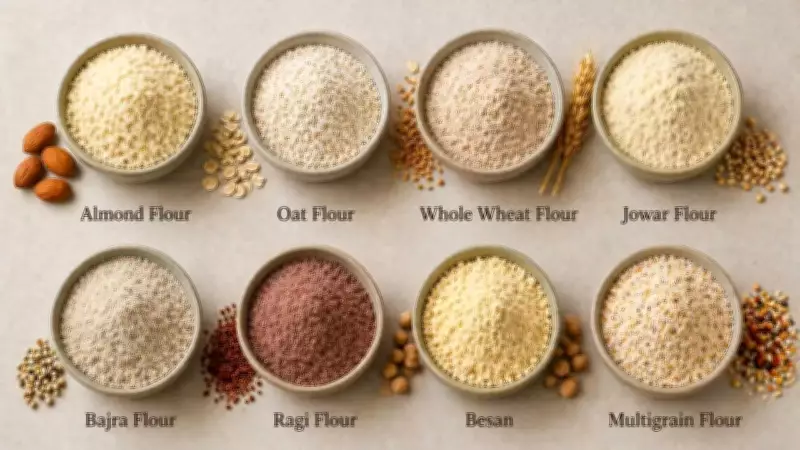
Switching to less processed flours can improve nutritional value while still being effective for baking and cooking. Here are some excellent alternatives:

Almond Flour
Made from ground almonds, almond flour is rich in healthy fats, protein, and vitamin E. It adds moisture and a subtle almond flavor to baked goods like cakes and biscuits. Being gluten-free, it does not provide structure on its own and is often combined with other flours.
Oat Flour
Oat flour is produced by grinding oats and has a mild, slightly sweet taste. It works well in cakes, pancakes, and muffins. With higher fiber content than regular flour, it aids digestion and helps maintain stable blood sugar levels. Oat flour creates a soft texture in baked items.
Whole Wheat Flour
Whole wheat flour contains the bran, germ, and endosperm of wheat grains, making it richer in fiber, vitamins, and minerals. It is commonly used in breads and rotis, offering a denser texture and nutty flavor.
Jowar Flour
Jowar flour, made from sorghum grain, is a gluten-free option high in dietary fiber and nutrients. It supports digestion and is used in various recipes. Due to its lack of gluten, it is often mixed with other flours for baking.
Bajra Flour
Bajra flour is packed with fiber and essential minerals like iron. It promotes satiety and aids digestion. Its strong flavor means it is best combined with other flours when used in baking.
Ragi Flour
Ragi flour is an excellent source of calcium and has an earthy taste. It can be used in both sweet and savory dishes. Rich in nutrients and fiber, it serves as a nutritious replacement for maida.
Besan (Chickpea Flour)
Besan is made from ground roasted chickpeas, offering high protein and fiber content. Popular in Indian cuisine, it is used in snacks and batters. Besan adds a unique nutty flavor and works well in savory recipes.
Multigrain Flour
Multigrain flour combines various grains like wheat, millet, and legumes. It is healthier than refined flour due to its higher nutrient content and is suitable for daily use in baking and cooking.
Benefits of Switching from All-Purpose Maida
Choosing whole-grain alternatives to all-purpose maida can significantly enhance nutritional intake by increasing dietary fiber and improving digestion. These flours also help maintain stable energy levels and provide essential nutrients absent in refined white flours. Incorporating these alternatives into your diet supports overall health and well-being.