

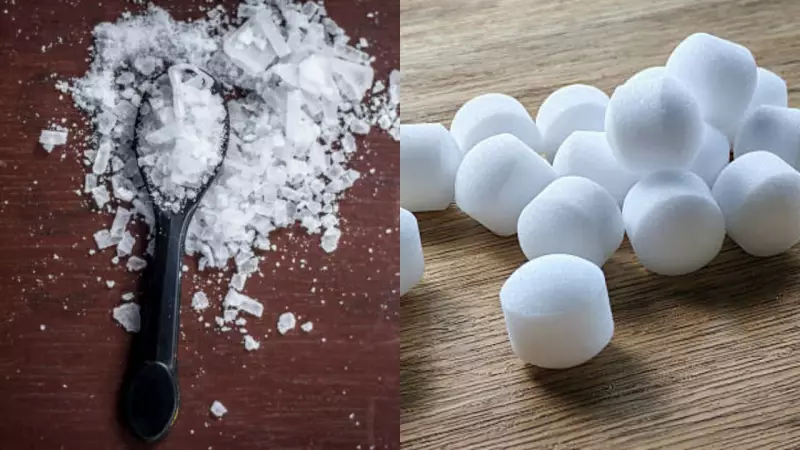
That sharp, familiar scent wafting from an old cupboard or a trunk of stored winter clothes is a common sensory experience in Indian households. For generations, families have relied on camphor (kapur) and naphthalene balls (mothballs) to protect their belongings from insects and musty odours. However, a critical question is now emerging: at what cost to our health does this familiar practice come?
The Unseen Danger of Common Moth Repellents
Both camphor and naphthalene balls function on a simple principle. They sublimate, turning slowly from a solid into a gas, filling enclosed spaces with a potent smell that repels moths and other insects. While effective for preservation, this very process means the chemicals are released into the air we breathe. Health experts are increasingly linking prolonged exposure to these fumes with a range of adverse effects, from mild irritation to serious poisoning, particularly in children.
Naphthalene Balls: A Potent but Toxic Choice
Naphthalene balls, the ubiquitous white spheres, are derived from a coal tar or petroleum-based chemical. Their strong, long-lasting odour is a sign of constant evaporation. Unfortunately, naphthalene fumes are toxic. Short-term exposure can trigger headaches, dizziness, and nausea. Over longer periods, they can cause significant lung and eye irritation.

The risks escalate dramatically with accidental ingestion, which has led to severe poisoning cases requiring urgent medical care. A crucial point often missed is that these fumes do not remain confined to cupboards. They seep out, contaminating the indoor air, especially in compact urban homes with limited ventilation. Consequently, many medical professionals now advise against using naphthalene balls in living spaces altogether, deeming the health cost unacceptably high.
Camphor: The 'Natural' Option with Caveats
Often perceived as a safer, natural alternative sourced from the camphor tree, camphor is indeed less toxic than its synthetic counterpart. However, less toxic does not mean harmless. Camphor also releases strong vapours that can cause headaches, nausea, and throat irritation with prolonged exposure. For individuals with asthma or respiratory sensitivities, these fumes can be a trigger.
The danger is acute for young children. Ingestion of even small amounts of camphor can lead to vomiting, seizures, and neurological issues. Therefore, regardless of its natural origin, camphor must be used with extreme caution and kept completely out of children's reach.
Rethinking Household Habits for Better Health
The core concern is not one-off use but the cumulative effect of low-level, chronic exposure over years. Symptoms like persistent headaches, eye irritation, or unexplained fatigue may be subtly connected to these common household items. In the broader context of indoor air pollution—a mix of cleaning agents, air fresheners, and mosquito repellents—every chemical source adds to the body's burden.
If one must choose between the two, camphor is the lesser evil compared to naphthalene. However, mindful usage is key: use smaller quantities, ensure good airflow in storage areas, and avoid permanent placement in enclosed spaces. The most effective strategy is to reduce dependence on these chemical repellents. Prioritising cleanliness, ensuring stored items are completely dry, and airing out clothes and cupboards regularly are safer, non-toxic practices.
Our homes should be sanctuaries of well-being. Sometimes, protecting that sanctuary begins by questioning and revising the smallest, most ordinary habits, like what we place in our cupboards to keep the moths away.






