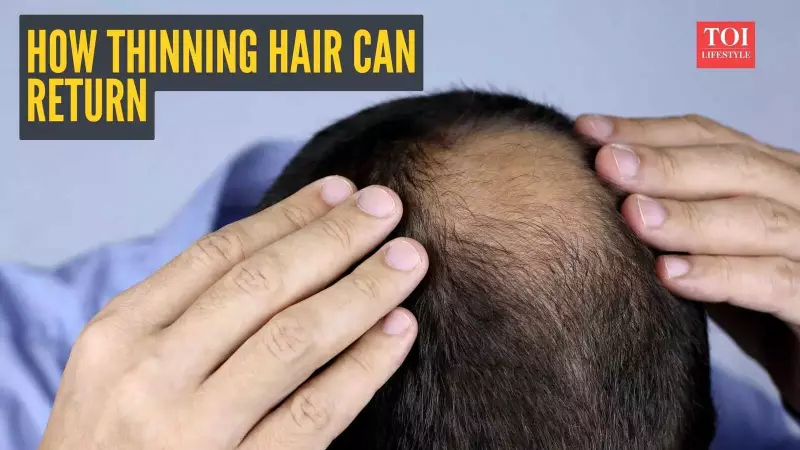
For generations, hair thinning and baldness, especially when hereditary, have been viewed as an inevitable, one-way street. The common belief is that once hair follicles stop producing, they are gone forever, with treatment limited to slowing down the loss. However, a compelling new perspective shared by US-based Doctor of Pharmacy, Dr Shayan Sen, is challenging this fatalistic view. He argues that in numerous cases of common hair loss, the follicles are not dead but merely dormant—and they can potentially be awakened.
The Core Concept: It's a Metabolic Issue, Not Just Genetics
Dr Sen's central thesis reframes conditions like androgenetic alopecia (male and female pattern baldness). He suggests they are better understood as a metabolic malfunction of the scalp rather than a fixed genetic fate. While genetics determine susceptibility, the actual triggers are often environmental and lifestyle factors that disrupt the scalp's healthy functioning. Genetics load the gun, but environment and lifestyle pull the trigger, he explains.
The thread highlights that thinning hair usually means follicles have entered a prolonged resting state due to several interconnected biological drivers. These include reduced blood flow (scalp hypoxia), chronic inflammation, nutrient deficiencies, and low cellular energy (mitochondrial dysfunction). Hormonal factors like DHT sensitivity become particularly damaging in an already inflamed scalp environment. The good news? There is scientific evidence that addressing these root causes can help reactivate growth, especially with early and consistent intervention.

A Three-Phase Plan to Reactivate Hair Growth
Dr Sen outlines a structured, multi-phase approach to creating the right conditions for dormant follicles to restart their growth cycle.
Phase One: Restore Blood Flow and Calm Inflammation
This foundational stage focuses on improving scalp circulation and reducing stress. Simple daily habits can make a significant difference:
- Scalp massage for five minutes daily to increase blood flow and thickness over time.
- Brief cold exposure, like a one-minute cold shower, to trigger vasodilation.
- Walking after meals to lower insulin levels, which indirectly reduces DHT signalling.
Dietary changes are also crucial. Dr Sen recommends cutting inflammatory seed oils and excess sugar while boosting omega-3 intake. Supplementing with more than two grams of EPA and DHA daily is linked to better scalp health.
Phase Two: Replenish Key Nutrients
Hair follicles are highly sensitive to nutrient shortages. Guessing is discouraged; instead, blood tests for ferritin, vitamin D, zinc, B12, and thyroid markers (TSH, free T3) are advised. Correcting deficiencies is a known, reversible cause of hair shedding. Targeted supplements like Myo-inositol (for insulin sensitivity), Taurine (to protect from fibrosis), and NAC (for antioxidant support) may be beneficial based on individual needs.
Phase Three: Activate Dormant Follicles
With a healthier scalp environment, the focus shifts to directly stimulating follicles. Scientifically supported methods include:
- Low-level red light therapy (around 660 nm) to recharge follicular mitochondria.
- Weekly microneedling at shallow depths to trigger growth factors like VEGF and FGF.
- Topical melatonin at low concentrations to extend the growth phase.
Evidence-Based Topicals and Supportive Oils
Dr Sen advises focusing on compounds with scientific backing over influencer gimmicks. These include copper peptides (GHK-Cu) for repair, cetirizine to block the growth inhibitor PGD2, and caffeine for blood flow. Plant-based compounds like Redensyl, Capixyl, and Procapil are noted for their potential effects on growth cycles.
Natural oils like rosemary oil (shown to perform similarly to 2% minoxidil), pumpkin seed oil, and castor oil can support scalp health but are not standalone cures.

What to Avoid and Setting Realistic Expectations
Certain habits can sabotage progress: harsh sulfates in shampoos, overwashing, tight hairstyles, chronic stress, and poor gut health. Patience is paramount, as hair growth cycles are slow—typically taking three to six months to show visible results. Consistency and precision are more valuable than intensity.
Dr Sen's message offers hope but is not a blanket promise. He stresses that while advanced baldness may not be fully reversible, many people give up on follicles that are still capable of recovery. For countless individuals, hair regrowth may simply be a matter of restoring oxygen, nutrients, and cellular energy to a scalp waiting for the right conditions to switch back on.