The Hidden Shield Within: How Gut Health Protects Children from Winter Pollution
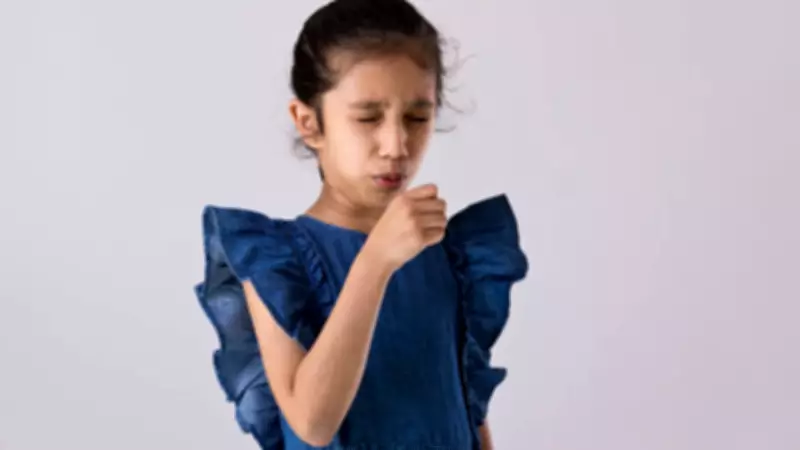
As winter descends upon urban landscapes, the air thickens with a dangerous cocktail of smoke, dust, and particulate matter that settles close to the ground. This annual phenomenon transforms city atmospheres into hazardous zones where parents watch with growing concern as their children develop persistent coughs, experience breathlessness, suffer skin irritations, and battle repeated infections.
Children represent the most vulnerable demographic during these pollution peaks, as their developing lungs and immature immune systems struggle against environmental assaults. While masks and air purifiers become immediate parental responses, medical experts now emphasize that one of the most powerful defenses might not be worn on the face but cultivated within the body itself.
The Gut-Pollution Connection: Your Child's Internal Defense System
The human digestive system hosts a complex ecosystem of beneficial bacteria known as the gut microbiome. This microscopic community serves as a critical regulator of inflammation, a frontline defender against pathogens, and a trainer for the immune system's response mechanisms. When children inhale polluted air, particles that escape respiratory clearance eventually reach the gastrointestinal tract through swallowing, where they can trigger oxidative stress and inflammatory responses.

A robust, healthy gut microbiome acts as a biological filter, mitigating inflammation and enhancing the body's natural detoxification processes. Conversely, factors like poor dietary choices, excessive junk food consumption, antibiotic overuse, and psychological stress can disrupt this delicate bacterial balance. Such disruption leaves children more susceptible to respiratory infections, allergic reactions, and fatigue during periods of elevated pollution.
Strengthening gut health therefore serves a dual purpose: improving digestive function while fortifying the body's innate defense mechanisms against environmental pollutants.
Building a Resilient Gut: Practical Strategies for Parents
Parents can implement several evidence-based approaches to enhance their children's gut resilience during smog-heavy seasons:
- Antioxidant-Rich Nutrition: Incorporate foods containing omega-3 fatty acids, vitamins C and E, and zinc. Excellent sources include citrus fruits, guavas, spinach, broccoli, nuts, eggs, and various green vegetables that collectively support immune function.
- Gut-Nourishing Foods: Ensure adequate intake of protein, dietary fiber, and probiotics through vegetables, whole grains, pulses, eggs, and fermented foods like curd. These substances serve as nourishment for beneficial gut bacteria.
- Winter Hydration: Maintain proper consumption of clean, filtered water to facilitate toxin elimination from the body, even when cold weather reduces thirst signals.
- Indoor Physical Activity: Encourage light exercises such as stationary cycling, treadmill walking, yoga, or dancing within the home environment to boost metabolism and support gastrointestinal function.
- Dietary Restrictions: Limit intake of sugary snacks, fried foods, carbonated beverages, and packaged juices that disrupt microbial balance, promote inflammation, and compromise immunity.
- Stress Management: Incorporate calming activities like music listening, reading, yoga, or creative play to regulate stress hormones that negatively impact gut health.
Beyond External Protections: Cultivating Internal Resilience
While complete avoidance of winter smog remains impossible in urban environments, its detrimental effects can be significantly mitigated. The solution extends beyond masks and air filtration systems to include the cultivation of a healthy gastrointestinal ecosystem. A well-nourished gut helps maintain children's strength, energy levels, and overall resilience against environmental challenges.
True protection emerges not merely from external barriers but from internal fortification. As pollution levels rise, this internal defense system becomes increasingly vital for safeguarding children's health and wellbeing throughout the hazardous winter months.

Medical insights provided by Dr. Sufla Saxena, Head of Paediatrics and Paediatric Gastroenterology and Hepatology at Manipal Hospital, Delhi.