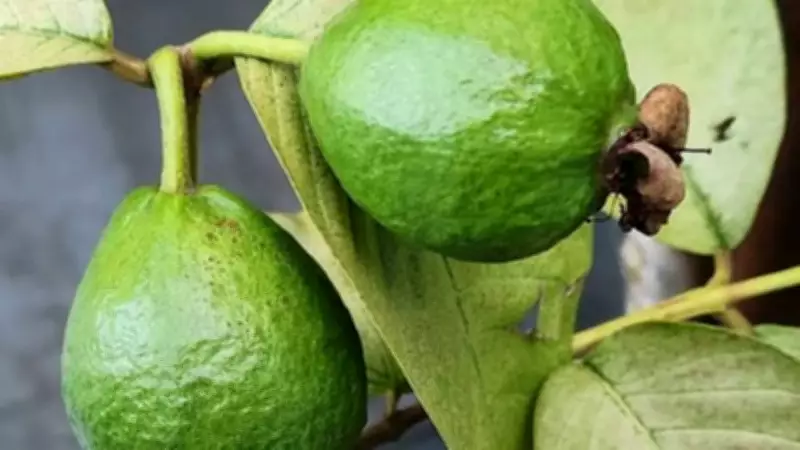
Growing your own fruit trees at home can be an exciting and rewarding experience, especially when you choose easy-to-grow varieties like guava. Guavas are not only delicious but also packed with high nutritional value. The best part is that guava trees are perfectly adapted to Indian climatic conditions and can thrive in various soil types. Even if you don't have a garden, you can easily grow guavas on your terrace or in a large pot. Follow these simple tips to enjoy fresh, homegrown guavas.
Select a Variety and Choose a Planting Method
Before you start, select the best guava variety for your needs. You can grow guavas from seeds or use grafted plants. For beginners, grafted plants are recommended as they develop faster and start producing fruit sooner than seed-grown plants. If you opt for grafted plants, ensure you buy them from trusted suppliers to guarantee quality.
Prepare Soil and Plant Containers
Guava plants require nutritious soil with proper drainage. A mixture of garden soil, compost, and sand is ideal. If planting in containers, choose large pots with drainage holes to allow for better root development. Proper soil preparation and container selection will result in stronger, healthier plants.

Plant Guavas in a Sunny Location
Guava plants need plenty of sunlight to thrive. Place them near a sunny window or in a spot that receives at least 6–8 hours of direct sunlight daily. Adequate lighting is crucial for healthy growth and fruit production.
Water and Care for Your Guava Tree
Regular watering is essential, especially during the first year when young plants are sensitive to moisture deficiency. Once the plant is established, you can reduce watering frequency. Additionally, remove weeds from the garden to minimize competition for nutrients.
Use Fertilizer and Prune Your Guava Tree
Applying organic fertilizers can boost growth and fruiting. Pruning is also important to shape the tree and improve air circulation and light penetration. Remove unnecessary branches to encourage new growth and higher quality fruits. With proper fertilizing and pruning, you can expect a bountiful harvest in a few years.