

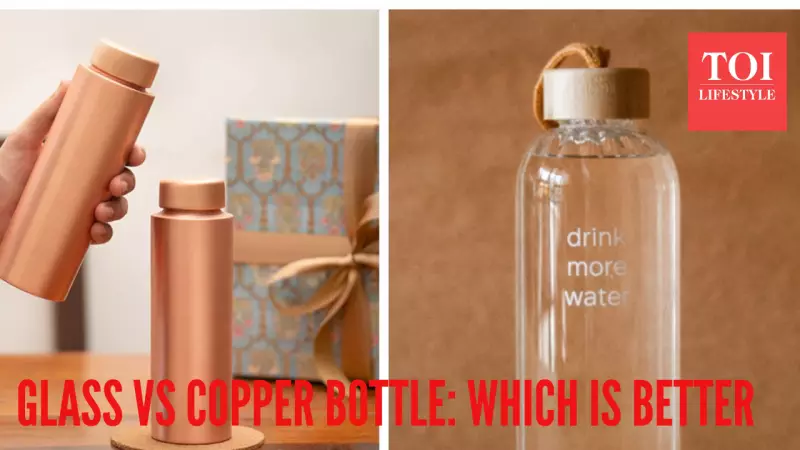
For health-conscious Indians, choosing between a copper bottle and a glass bottle for daily hydration is a common dilemma. Both are marketed as superior alternatives to plastic, promising purity and wellness benefits. However, each material comes with its own set of scientifically-backed advantages and potential risks that users must understand for safe, daily use.
The Antimicrobial Power and Ayurvedic Claims of Copper
Copper vessels have gained popularity not just for their traditional appeal but for their proven antimicrobial properties. The process, known as contact killing, involves copper ions penetrating the cell walls of harmful microbes. Research indicates that storing water in a copper pot for about 16 hours can eliminate pathogens like E. coli, Salmonella, and Shigella, provided the copper concentration stays within the World Health Organization's (WHO) safe limit of 2 mg per litre.
This makes copper bottles a potential tool for purifying contaminated water, useful during travel or in areas with unsafe water supplies. They are also effective against antibiotic-resistant bacteria.

In Ayurveda, drinking water stored in copper (tamra jal) is believed to aid digestion, boost immunity, reduce inflammation, and benefit skin health. Scientifically, copper is an essential mineral vital for enzyme function, collagen synthesis, and antioxidant activity. Using a copper bottle can help prevent deficiency linked to anemia and a weakened immune system, especially for those with diets low in nuts, seeds, and shellfish.
However, claims about rapid weight loss, arthritis cure, or heart disease prevention lack robust evidence from randomized controlled trials specifically on copper-infused water.
Understanding the Risks: Copper Leaching and Toxicity
The very property that purifies water—copper leaching—can become a health hazard if not managed. Storing water, especially acidic beverages like lemon water or hot drinks, for extended periods (8-12 hours) can cause copper levels to exceed safe limits.
Consuming water with excessive copper can lead to immediate symptoms like nausea, stomach cramps, diarrhea, and a metallic taste. Long-term exposure risks include liver and kidney damage and oxidative stress.
Individuals with Wilson's disease, existing liver or kidney conditions, or those taking copper supplements are at higher risk. Children, pregnant women, and the elderly are also more susceptible. To minimise risks, limit storage to overnight only, consume no more than 200-300 ml of copper-infused water daily, and clean bottles regularly with lemon and salt. Opt for bottles made of pure (99.9%) copper or those with a stainless-steel lining from reputable brands.
Glass Bottles: The Pure Taste with a Microplastic Surprise
Glass is widely considered the safest inert material for water storage. It does not react with contents, leach chemicals, or alter flavour, making it ideal for water, infusions, and acidic drinks. Made from materials like pharmaceutical-grade Type III flint glass, these bottles are non-porous, durable, and can handle temperature changes without compromising water quality. They are also fully recyclable and easy to sterilise.
However, a surprising finding challenges this pristine image. Studies show that glass-bottled beverages, including water, can contain significant microplastic contamination—up to 100 particles per litre, sometimes exceeding levels found in some plastic bottles.
The primary source is not the glass itself but the painted plastic caps. Friction during manufacturing, distribution, and opening releases tiny polyethylene (PE) particles (10-100 micrometres) into the drink. While research on long-term health impacts is ongoing, choosing bottles with plain metal, silicone, or non-plastic lids and using home-filtered tap water can reduce exposure.
Making the Right Choice for Your Lifestyle
Choosing between copper and glass depends on your primary need. Copper bottles are best suited for specific antimicrobial use, like hiking, travel, or situations with questionable water quality, but should be used sparingly and with strict time limits (4-8 hours).

For most people seeking everyday safe hydration, glass bottles are the superior choice due to their neutral properties and minimal leaching risk. Opt for reusable models with metal or silicone lids to avoid microplastics.
Ultimately, both are healthier and more sustainable than plastic. The best hydration strategy combines using a clean bottle of your choice with filtered tap water and a balanced diet. Test your personal tolerance, consider your local water quality, and rotate bottles based on your daily activities.
Disclaimer: This article is for informational purposes only and is not a substitute for professional medical advice.





