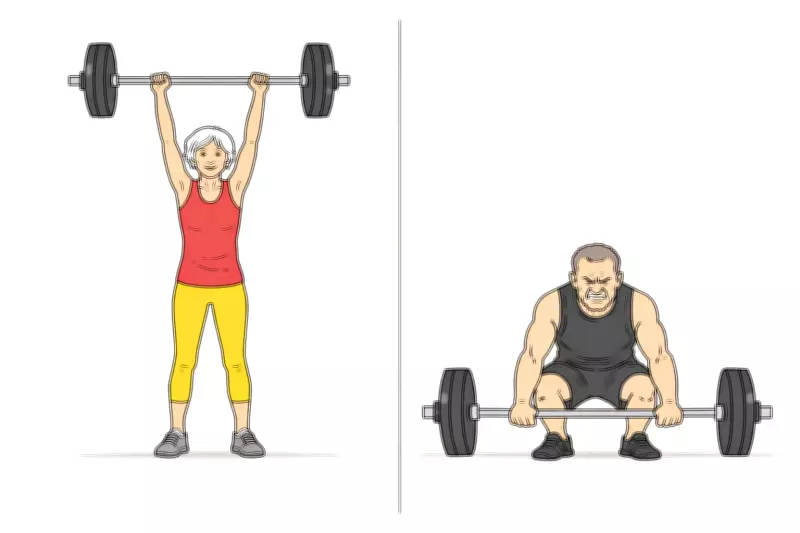
In a significant shift from traditional fitness narratives, emerging research is emphasizing that the secret to aging well lies not in bulging biceps or massive muscle mass, but in cultivating muscles that function effectively. This insight challenges the common gym-goal of hypertrophy and redirects focus towards practical, sustainable strength that supports daily life and longevity.
Rethinking Muscle Goals for Longevity
For decades, the fitness industry has often glorified muscle size as the ultimate marker of health and vitality. However, scientists and health experts are now advocating for a more nuanced approach. According to recent studies, the ability of muscles to perform essential tasks—such as lifting groceries, climbing stairs, or maintaining balance—is far more critical for aging populations than sheer muscular volume.
The Science Behind Functional Strength
Functional muscle strength refers to the capacity of muscles to work efficiently in real-world scenarios. This type of strength is closely linked to neuromuscular coordination, endurance, and flexibility. Research indicates that individuals with higher functional strength experience lower rates of sarcopenia (age-related muscle loss), reduced risk of falls, and better overall mobility as they age.
Moreover, functional muscles contribute to metabolic health, aiding in glucose regulation and reducing the likelihood of chronic conditions like type 2 diabetes and cardiovascular diseases. Unlike purely aesthetic muscle building, functional training often involves compound movements, stability exercises, and activities that mimic everyday actions.
Practical Strategies for Building Working Muscles
To develop muscles that work effectively, experts recommend incorporating a variety of exercises into one's routine. Key strategies include:
- Resistance Training with Functional Movements: Focus on exercises like squats, lunges, push-ups, and rows that engage multiple muscle groups and improve coordination.
- Balance and Stability Work: Incorporate activities such as yoga, tai chi, or single-leg stands to enhance proprioception and prevent falls.
- Consistency Over Intensity: Regular, moderate exercise is more beneficial for long-term muscle function than sporadic, high-intensity workouts that prioritize size.
- Nutritional Support: Ensure adequate protein intake and essential nutrients to support muscle repair and maintenance without excessive calorie surplus aimed at hypertrophy.
Why This Matters for India's Aging Population
With India's demographic shift towards an older population, the emphasis on functional muscle strength has profound implications. As life expectancy increases, maintaining independence and quality of life in later years becomes paramount. Adopting fitness routines that prioritize working muscles can help mitigate the burden of age-related disabilities and healthcare costs.
Public health initiatives and community programs could play a pivotal role in promoting this paradigm shift. By educating citizens on the benefits of functional fitness, India can foster a culture of healthy aging that values practicality over aesthetics.
Conclusion: A Holistic Approach to Aging
Ultimately, the journey to aging well is not about chasing an idealized body image but about nurturing muscles that serve a purpose. By prioritizing functional strength, individuals can enjoy greater resilience, vitality, and autonomy throughout their lives. This evolving perspective encourages a more inclusive and sustainable approach to fitness, one that celebrates capability over appearance and empowers people to age with grace and strength.