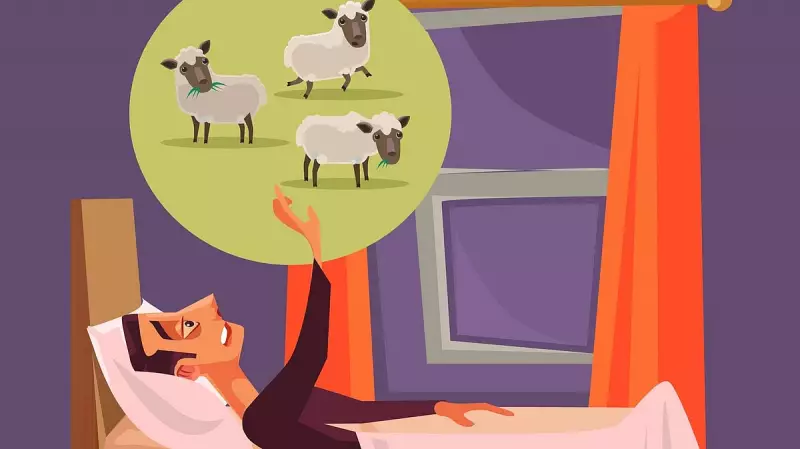
Are you tired of counting sheep night after night? Millions of Indians struggle with poor sleep quality, unaware that simple science-backed strategies can transform their rest patterns dramatically. Sleep isn't just about closing your eyes—it's a complex biological process that affects every aspect of your health and wellbeing.
The Science Behind Your Sleep Cycle
Understanding your body's internal clock is the first step toward better sleep. Your circadian rhythm governs your sleep-wake cycle, responding primarily to light exposure. When darkness falls, your brain releases melatonin, the hormone that makes you sleepy. Modern life, with its artificial lighting and screen time, has severely disrupted this natural process.
Dr. Smita Nambiar, a sleep specialist from Mumbai, explains that consistent sleep and wake times help regulate this internal clock. Going to bed and waking up at the same time every day, even on weekends, trains your body to expect sleep at specific hours. This consistency is more powerful than most people realize in establishing healthy sleep patterns.

Practical Sleep Hacks That Actually Work
Creating the right environment is crucial for quality sleep. Your bedroom should be cool, dark, and quiet—ideally between 18-22 degrees Celsius. Consider using blackout curtains and eliminating noise sources. Temperature regulation plays a significant role in helping your body reach the optimal state for restful sleep.
Digital detox before bedtime is non-negotiable. The blue light from screens suppresses melatonin production, tricking your brain into thinking it's still daytime. Experts recommend turning off all electronic devices at least one hour before bed. Instead, try reading a physical book or practicing gentle stretching exercises.
What you consume significantly impacts your sleep quality. Avoid caffeine after 2 PM and heavy meals close to bedtime. While alcohol might make you feel sleepy initially, it actually disrupts your sleep cycle later in the night. Herbal teas like chamomile or warm milk can be excellent alternatives to promote relaxation.
When Counting Sheep Fails: Advanced Techniques
For those who've tried everything, specialized relaxation methods can make the difference. The 4-7-8 breathing technique, developed by Dr. Andrew Weil, involves inhaling for 4 seconds, holding your breath for 7 seconds, and exhaling slowly for 8 seconds. This pattern activates your parasympathetic nervous system, reducing anxiety and preparing your body for sleep.
Progressive muscle relaxation is another powerful tool. Systematically tensing and relaxing different muscle groups from your toes to your head can release physical tension that might be preventing sleep. Many people carry stress in their bodies without even realizing it, and this technique helps identify and release that tension.
If you find yourself awake in bed for more than 20 minutes, get up and do something relaxing in dim light until you feel sleepy again. This prevents your brain from associating your bed with frustration and wakefulness. The bed should be reserved only for sleep and intimacy.
The Long-Term Benefits of Quality Sleep
Improving your sleep quality does more than just eliminate dark circles. Consistent, quality sleep strengthens your immune system, improves memory and concentration, and regulates mood. Research shows that people who sleep well have better emotional regulation and make wiser decisions.
Chronic sleep deprivation has serious consequences, including increased risk of hypertension, diabetes, and obesity. Your body performs essential repair work during deep sleep stages, from muscle repair to memory consolidation. Skipping sleep means skipping these crucial maintenance processes.
Remember that developing better sleep habits takes time and consistency. Start with one or two changes rather than overhauling your entire routine at once. Track your progress and be patient with yourself. Quality sleep is a skill that can be learned, and the benefits will transform your waking hours as much as your sleeping ones.