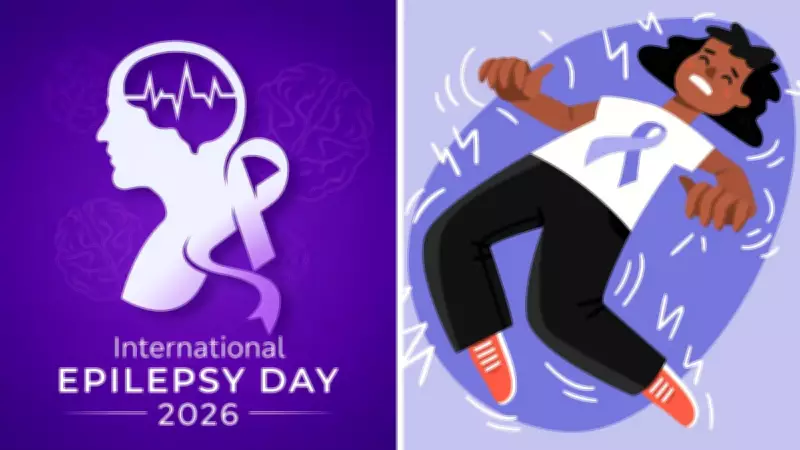
International Epilepsy Day 2026: Neurologist Debunks Common Myths About Epilepsy
As the world observes International Epilepsy Day on February 9, 2026, a leading neurologist has stepped forward to clarify widespread misconceptions about this neurological condition. The expert emphasizes that epilepsy is not a mental illness but a disorder of the brain's electrical activity, which can affect anyone regardless of age or background.
Epilepsy Is a Neurological Disorder, Not a Mental Illness
The neurologist explains that epilepsy involves recurrent seizures caused by abnormal electrical discharges in the brain. This is fundamentally different from mental illnesses, which relate to mood, thinking, or behavior disorders. Confusing the two can lead to stigma and inadequate care for patients.
Key facts highlighted include:

- Epilepsy affects over 50 million people globally, making it one of the most common neurological diseases.
- Seizures can vary from brief lapses in awareness to full-body convulsions, depending on the brain area involved.
- Most cases are manageable with medication, and many individuals lead normal, productive lives with proper treatment.
Busting Common Myths About Epilepsy
The neurologist addresses several persistent myths that contribute to misunderstanding and discrimination against those with epilepsy.
- Myth: Epilepsy is contagious. Fact: Epilepsy cannot be spread through contact, air, or any other means; it is a non-communicable condition.
- Myth: People with epilepsy are intellectually disabled. Fact: While some may have co-occurring conditions, epilepsy itself does not cause intellectual disability, and many have average or above-average intelligence.
- Myth: You should force something into the mouth during a seizure. Fact: This is dangerous and can cause injury; instead, clear the area and turn the person on their side to prevent choking.
- Myth: Epilepsy is always inherited. Fact: Genetics can play a role, but many cases result from brain injuries, infections, or unknown causes.
By dispelling these myths, the neurologist aims to reduce stigma and encourage a more supportive environment for individuals living with epilepsy.
Importance of Awareness and Proper Treatment
International Epilepsy Day serves as a crucial platform to raise public awareness about the realities of this condition. Increased understanding can lead to earlier diagnosis, better access to healthcare, and improved quality of life for patients.
Recommendations from the neurologist include:
- Seeking medical advice if seizures occur, as timely intervention can prevent complications.
- Educating communities about first aid during seizures to ensure safety and reduce panic.
- Supporting research into new treatments and potential cures for epilepsy.
This observance underscores the need for continued efforts in healthcare policy and public education to address epilepsy effectively worldwide.