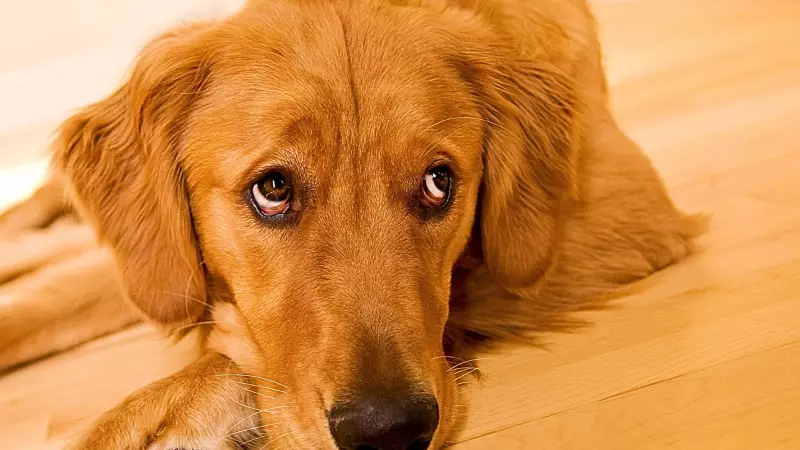
Have you ever noticed your dog giving you that sideways glance, often called the 'side eye,' and wondered what it truly means? You're not alone in this curiosity. This common canine behavior is far more than just a funny expression; it's a significant part of your dog's non-verbal communication.
According to Dr. Udaya Kumar Shetty, the Chief Veterinary Officer in Udupi, this look can reveal a lot about your pet's emotional state. He states that the infamous side eye from dogs is a common behavior that can be quite telling about their feelings and intentions.
6 Key Reasons Behind Your Dog's Side Eye
Dr. Shetty breaks down the primary motivations for this curious behavior, helping pet owners better understand their furry companions.

1. Suspicion or Mistrust
When a dog is unsure or suspicious of a new person, object, or sound, it may resort to the side eye. This is their subtle method of communicating, "I see you, but I don't quite trust you yet." It's a sign of wariness in an unfamiliar situation.
2. Anxiety or Stress
Side eye can be a clear indicator of anxiety or stress in dogs. Dr. Shetty explains that you might notice this when your pet feels overwhelmed or uncomfortable, such as in crowded environments, during thunderstorms, or on a visit to the vet.
3. Attention-Seeking
Some clever dogs have learned how to use their charm effectively. If the side eye is paired with a tail wag or a head tilt, your dog might simply be asking for a treat, some playtime, or your undivided attention.
4. Playfulness
In a lighter context, the side eye can be a purely playful gesture. When accompanied by a wagging tail and other playful body language, think of it as your dog's version of a cheeky wink, a lighthearted invitation to engage.
5. Boundary Setting
Dogs value their personal space. The side eye can be a polite but firm way for your dog to indicate discomfort and set a boundary. If a child or another animal is getting too close, this look is your dog's way of saying, "Please, back off a little."
6. Observing and Assessing
Sometimes, the side eye isn't driven by a strong emotion. Dogs are naturally curious creatures, and this glance can simply be a way for them to observe and assess a situation without directly confronting it. They are just quietly taking in their surroundings.
How to Respond to Your Dog's Side Eye
Not every instance of side eye requires intervention, but it is always worth paying attention to. Dr. Shetty provides clear guidance on how to respond appropriately to strengthen your bond with your pet.
Observe Their Overall Body Language
It's crucial to pay attention to your dog's complete body language. Look at their posture, facial expressions, and tail. A side eye combined with a stiff body or a tucked tail often signals stress, while a relaxed body suggests the look is playful.
Identify the Triggers
Try to pinpoint what consistently triggers your dog's side eye behavior. Whether it's certain people, specific environments, or particular actions, identifying the cause allows you to address the underlying issue, potentially through desensitization.
Provide Comfort and Reassurance
Ensuring your dog feels safe and comfortable in its environment is paramount. Dr. Shetty recommends providing plenty of positive reinforcement and attention. Building a secure and trusting relationship will help reduce side-eye moments that are rooted in anxiety or fear.
Strengthening Your Bond Through Understanding
Ultimately, understanding your dog's side eye is about more than just decoding a single glance. It's about tuning into their emotions and needs on a deeper level. As Dr. Shetty puts it, "By understanding the reasons behind your dog's side eye, you can better respond to their needs and strengthen your bond with them." This insight allows for a happier, healthier relationship between you and your canine companion.