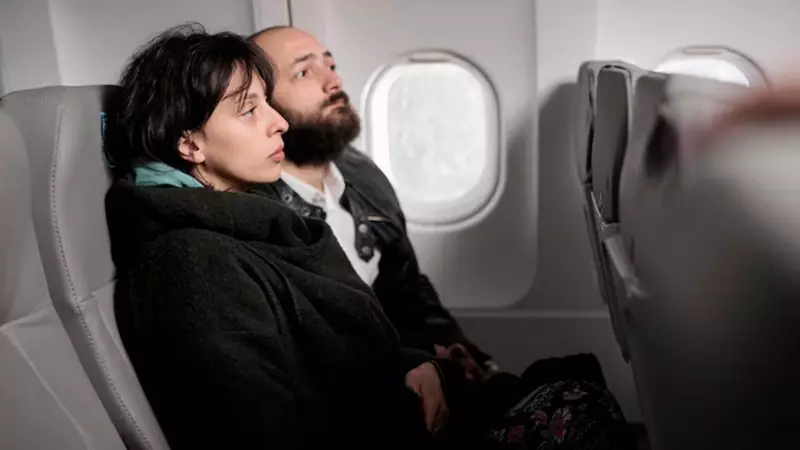
Have you ever stepped off a long-haul flight with heavy, swollen legs? That uncomfortable feeling is a common sign of poor circulation, a direct result of sitting still for hours in a pressurized cabin. However, a simple item in your travel wardrobe can make a significant difference to your in-flight comfort and health.
Why Compression Socks Are a Travel Essential
According to Dr Narander Singla, Lead Consultant – Internal Medicine at CK Birla Hospital, Delhi, incorporating compression socks into your travel routine is a highly beneficial practice. "Wearing compression socks during flights, especially long-haul journeys, can be highly beneficial for certain travellers," he states. These specialised socks apply gentle, graduated pressure to your legs, promoting better blood flow back to the heart.
The primary health benefit is a significant reduction in the risk of Deep Vein Thrombosis (DVT). DVT is a serious condition where blood clots form in the deep veins of the legs due to prolonged immobility. "Compression socks help maintain proper blood flow, significantly lowering this risk," explains Dr Singla. Beyond clot prevention, they combat the common annoyances of air travel. They effectively reduce leg and foot swelling by limiting fluid accumulation and alleviate overall discomfort and fatigue, contributing to a more pleasant journey.
Who Should Consider Wearing Them?
While many frequent flyers can benefit from the comfort compression socks provide, they are particularly recommended for specific high-risk groups. Dr Singla advises that individuals with a history of blood clots, recent surgery, those undergoing cancer treatments, or people taking estrogen-based medications should pay special attention. Furthermore, older adults and pregnant women, who often experience circulatory challenges, may find them especially helpful during flights.
However, a note of caution is essential. "Individuals with severe arterial disease or poor circulation should consult a healthcare provider before using them, as they could potentially worsen these conditions," warns Dr Singla. Those with sensitive skin or existing dermatological issues should also proceed carefully to avoid irritation from the material.
Choosing and Using Your Compression Socks Correctly
Selecting the right pair is crucial for both effectiveness and comfort. Dr Singla recommends moderate compression levels of 15–20 mmHg for most air travellers. The fit should be snug but not painfully tight. It is vital to follow the manufacturer's sizing guide accurately.
In terms of style, knee-high socks are generally preferred over thigh-high variants. "Thigh-high socks can roll down and create a harmful tourniquet effect," he adds. For regular travellers or even athletes, consistent use can aid in reducing daily leg fatigue and muscle soreness.
To maximise the benefits of compression socks, pair them with other healthy in-flight habits. Stay well-hydrated to prevent blood from thickening, and make a point to get up and walk or stretch every couple of hours. Simple seated exercises like ankle circles and calf raises also help stimulate circulation. "Movement is key to encouraging blood flow," Dr Singla emphasises.
So, as you prepare for your next adventure, consider packing a pair of compression socks alongside your passport and tickets. This small addition to your travel kit could be a major step towards a safer, more comfortable flying experience.
Disclaimer: This article is based on expert advice. Always consult your healthcare practitioner before starting any new health routine.