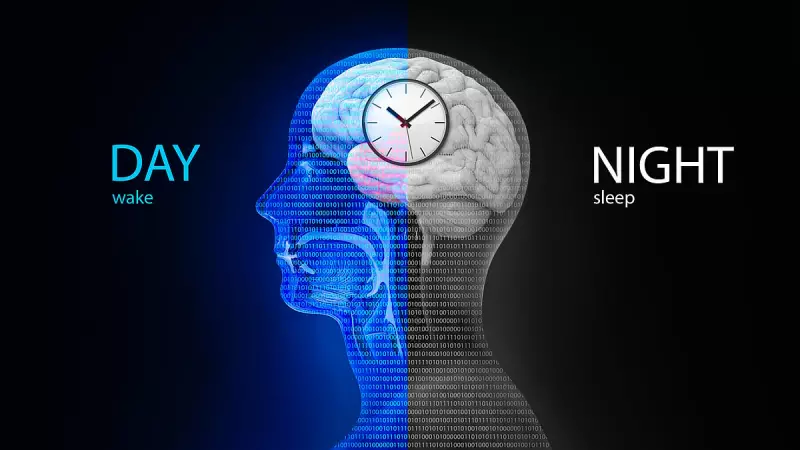
For many in India's bustling cities, a good night's sleep feels like a luxury. The constant glow from streetlights, smartphones, and other digital devices invades our bedrooms, disrupting our natural sleep cycles. However, a simple yet powerful solution is gaining attention from health experts: dark therapy. This practice involves sleeping in an environment of complete or near-complete darkness, and its benefits for sleep and overall well-being are backed by growing scientific evidence.
The Science Behind Darkness and Sleep
Our bodies are governed by an internal clock known as the circadian rhythm, which is highly sensitive to light and dark. The hormone melatonin, often called the "sleep hormone," is crucial for this process. Melatonin production naturally increases in the evening as light fades, signaling to the body that it is time to wind down and prepare for sleep.
Exposure to artificial light at night, especially the blue light emitted from screens, acts as a major disruptor. It tricks the brain into thinking it is still daytime, suppressing melatonin secretion. This leads to difficulty falling asleep, fragmented sleep, and a feeling of being unrefreshed in the morning. Dark therapy works by removing these artificial light sources, allowing the body's natural melatonin production to proceed unimpeded.
Key Health Benefits of Sleeping in the Dark
Adopting dark therapy goes beyond just improving sleep. It has a cascading positive effect on various aspects of physical and mental health.
Enhanced Sleep Quality and Duration: By fostering optimal melatonin release, sleeping in pitch darkness helps individuals fall asleep faster and experience deeper, more restorative sleep cycles. This leads to waking up feeling more energized and alert.
Improved Mental Well-being: Chronic sleep disruption is strongly linked to mood disorders like anxiety and depression. Consistent, quality sleep in a dark environment helps regulate neurotransmitters and hormones related to stress and mood, promoting better emotional resilience.
Better Metabolic and Physical Health: Research suggests that light exposure at night is associated with an increased risk of metabolic disorders, including obesity and type 2 diabetes. Disrupted circadian rhythms can affect glucose metabolism and appetite regulation. Dark therapy supports metabolic health by aligning the body's internal clock with natural light-dark cycles.
Support for Eye Health: Giving your eyes a prolonged break from focusing and light exposure during sleep can contribute to long-term ocular health.
How to Practice Dark Therapy in Your Home
Implementing dark therapy does not require expensive gadgets. It is about creating a sleep sanctuary that prioritizes darkness.
Invest in Blackout Curtains: This is the most effective step. Heavy, light-blocking curtains can eliminate external light from street lamps, signs, and passing vehicles.
Eliminate or Cover Electronic Lights: Cover the small LED lights on chargers, televisions, air conditioners, and other devices with black electrical tape. Consider removing unnecessary electronics from the bedroom entirely.
Use an Eye Mask: If creating a completely dark room is challenging, a comfortable, contoured sleep mask can be an excellent personal solution.
Establish a Digital Sunset: Power down smartphones, tablets, and laptops at least 60-90 minutes before bedtime. If you must use a device, enable the night mode or blue light filter in the evening.
Choose Warm, Dim Lights for Evenings: In the hours leading up to sleep, use warm-toned, dimmable lights in your living spaces instead of bright white or blue-tinted lights.
In conclusion, dark therapy presents a simple, cost-free, and highly effective intervention for the widespread problem of poor sleep. In our modern, always-lit world, consciously embracing darkness at night is not a step backward but a scientifically-supported step toward reclaiming our natural sleep rhythms and, by extension, our overall health and vitality. By making your bedroom a true haven of darkness, you invest directly in your long-term well-being.