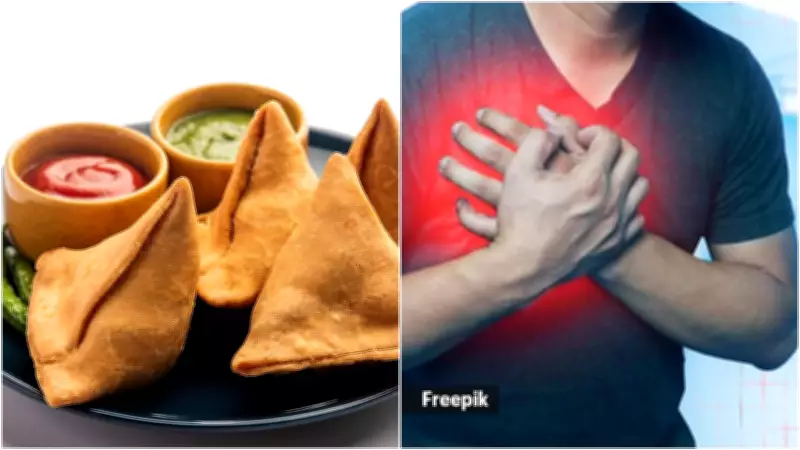
Daily Samosa Habit Could Cost Rs 3 Lakh in Medical Bills, Cardiologist Warns
A recent viral post by a Delhi-based cardiologist has sparked a heated debate online, highlighting the hidden financial and health costs of indulging in seemingly affordable snacks like samosas. Dr Shailesh Singh broke down the numbers, revealing how a daily Rs 20 samosa could potentially lead to a staggering Rs 3 lakh medical bill for heart surgery.
The Shocking Math Behind Unhealthy Snacking
In his post on X, Dr Singh presented a straightforward calculation: an office canteen samosa priced at Rs 20, consumed 300 times a year over 15 years, totals Rs 90,000. However, he equated this to "taking a loan against your arteries at 400 per cent interest," as the eventual cost of an angioplasty—a common procedure for blocked arteries—could reach Rs 3 lakh. This analogy underscores the long-term financial burden of poor dietary choices, emphasizing that savings on unhealthy food are illusory when weighed against potential healthcare expenses.
Internet Divided Over the Claims
The doctor's analysis polarized social media users. Some supported his warning, citing limited healthy options in office canteens and the stress-relief role of snacks like samosa with tea. Others criticized the focus on samosa alone, arguing that the real culprits are unhealthy oils and overall lifestyle factors. One user pointed out, "Samosa can even be made oil-free... The actual culprit is bad oil." Another called it "fear mongering," disputing the correlation between samosa consumption and coronary artery disease, and questioning the stated cost of angioplasty.

Expert Insight: It's About Cumulative Effects
To clarify the issue, we consulted Dr Parin Sangoi, a consultant interventional cardiologist at Wockhardt Hospitals in Mumbai. He explained that the problem isn't a single samosa but the trend it represents. "When fried and processed foods become a staple in your diet, they quietly begin to have a cumulative effect on your arteries," Dr Sangoi said. Each serving contributes to cholesterol deposition, inflammation, and oxidative stress, leading to plaque buildup and narrowed arteries over time. This can pave the way for heart disease, even in younger individuals.
How Diet Directly Impacts Heart Health
Dr Sangoi elaborated on the physiological impacts: foods high in trans fats, carbs, and salt harden artery walls, increase blood pressure, and disrupt cholesterol ratios. In contrast, antioxidant-rich foods like fruits and vegetables help maintain healthy arterial linings. "Each meal is a message to your heart, either to heal or hurt," he noted, urging people to view dietary choices as critical to cardiovascular well-being.
Practical Tips for a Healthier Lifestyle
In today's fast-paced work environment, convenience often trumps health, but Dr Sangoi advises small, manageable changes. Opting for roasted snacks over fried ones, incorporating fruits into meals, staying hydrated, and engaging in gentle movement can significantly reduce heart disease risk. He stressed that heart disease is no longer confined to older age groups, with cases spiking among people in their 30s due to stress, poor sleep, and diet. "Taking care of your heart is not a restriction; it's respect," he concluded.
Disclaimer: This article is based on public information and expert insights. Always consult a healthcare professional before making any health-related changes.