The Overlooked Connection: How Daily Eating Habits Shape Your Cholesterol Profile
In today's health-conscious era, conversations frequently revolve around keto regimens, intermittent fasting protocols, and high-protein dietary plans. Yet, amidst this nutritional chatter, cholesterol rarely takes center stage. Most individuals possess basic awareness of "bad" versus "good" cholesterol, or HDL and LDL distinctions, but few genuinely connect these critical markers to their everyday food consumption patterns.
The Invisible Threat of Unmanaged Cholesterol
This disconnect presents a significant health concern because dietary habits play an enormous role in maintaining balanced cholesterol levels, yet this connection often gets overshadowed. People commonly fixate on calorie counting, carbohydrate restriction, or weight reduction goals, operating under the assumption that eating "healthy" automatically ensures optimal cholesterol. However, what qualifies as healthy for one individual doesn't necessarily translate to heart-healthy for another.
Cholesterol management operates stealthily since you cannot physically feel its fluctuations. Elevated cholesterol doesn't manifest through pain or obvious symptoms until potentially triggering severe cardiovascular events like heart attacks or strokes. This invisible nature makes cholesterol easy to disregard. Many individuals postpone regular blood screenings or only investigate cholesterol levels following a health scare.

How Everyday Foods Quietly Influence Cholesterol
Meanwhile, processed food items, fried snacks, and seemingly harmless indulgences like cheese and butter gradually elevate LDL concentrations over extended periods. Importantly, cholesterol management extends beyond merely eliminating fats—what replaces these fats matters substantially. Whole grains, fresh fruits, vegetables, and healthy fat sources like olive oil or nuts can help balance cholesterol ratios, yet few people deliberately structure meals with this objective in mind.
Diet functions not merely as a supporting element in cholesterol regulation but stands as its central pillar. While medications offer assistance, food represents something you engage with multiple times daily. Consistently selecting appropriate foods can effectively lower LDL, elevate HDL, and even improve triglyceride measurements. These dietary adjustments prove sustainable—modifications to daily eating patterns can endure far longer than prescription routines, especially when combined with physical activity and complementary lifestyle choices.
Scientific Evidence Supporting Dietary Interventions
Research substantiates these principles comprehensively. Lifestyle modifications encompassing diet and exercise reduced total cholesterol by 40% and LDL by 53% in certain cases without pharmaceutical intervention, with effects sustained over six months. As highlighted in a clinical case study, one individual following a modified healthy-fat diet alongside moderate exercise for six weeks achieved a 40.25% reduction in total cholesterol and 52.8% decrease in LDL cholesterol, maintaining normal ranges after six months without cholesterol-lowering medications.
A 2025 meta-analysis further confirmed that lifestyle programs, either independently or combined with medication optimization, effectively lower serum cholesterol. Dietary portfolios emphasizing oats, nuts, avocados, and plant sterols demonstrated LDL reduction comparable to statin effects in hyperlipidemia trials.
Expert Insights on Cholesterol and Nutrition
Dr. Karuna Chaturvedi, Head of Clinical Nutrition at Max Super Speciality Hospital in Noida, explains: "Cholesterol is commonly perceived negatively, yet it remains essential for cellular construction and hormone production. Problems emerge when low-density lipoprotein, or 'bad' cholesterol, reaches excessive levels, causing fatty deposits within blood vessels and the heart. Fortunately, everyday food selections can powerfully influence cholesterol levels and deliver substantial health benefits, particularly regarding cardiovascular wellness."

Why Cholesterol Awareness Remains Inadequate
Several factors contribute to insufficient cholesterol awareness: its invisible nature, confusing or oversimplified dietary guidance, and the tendency to perceive heart health as a "future concern." However, cholesterol management constitutes daily work predominantly accomplished through dietary choices. Attentiveness to today's eating habits can safeguard arterial health tomorrow. While not dramatic, this approach proves powerfully effective, and neglecting it carries greater risks than most recognize.
Foods That Support Healthy Cholesterol Levels
Dr. Karuna emphasizes: "Ultimately, consistent healthy eating patterns—not isolated superfoods—provide the most effective method for lowering cholesterol and maintaining cardiac health." She recommends several cholesterol-supportive foods:
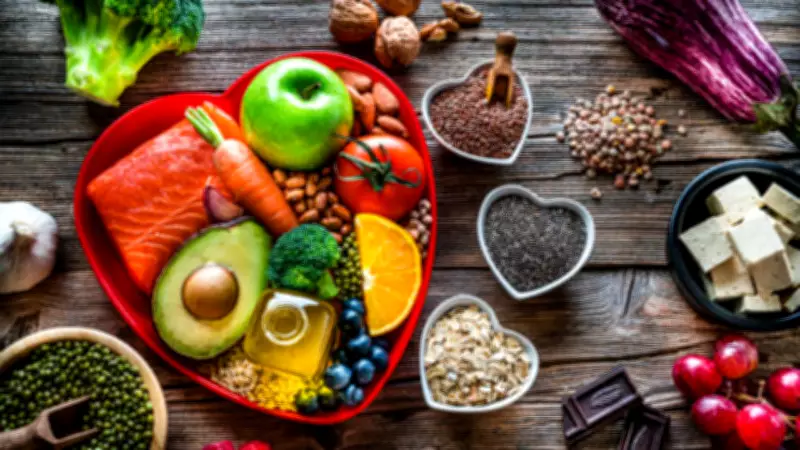
- Whole grains like oats and barley contain high soluble fiber, particularly beta-glucan, which helps reduce cholesterol absorption
- Healthier fat sources including nuts and extra virgin olive oil can decrease LDL without compromising beneficial HDL
- Oily fish varieties like salmon, sardines, and mackerel supply omega-3 fatty acids that lower triglycerides, reduce inflammation, and enhance heart benefits
- Fruits, vegetables, legumes, seeds, and beans deliver fiber, antioxidants, and plant sterols that promote healthy cholesterol balance
- Garlic incorporation and increased plant-based protein consumption also contribute positively to cholesterol management
Awareness begins with recognizing that each dietary choice matters. Reading nutritional labels, understanding how saturated and trans fats affect physiology, and prioritizing fiber intake can create meaningful differences. Cholesterol management through diet represents a practical, sustainable approach to long-term cardiovascular wellness that deserves greater attention in our daily nutritional decisions.