

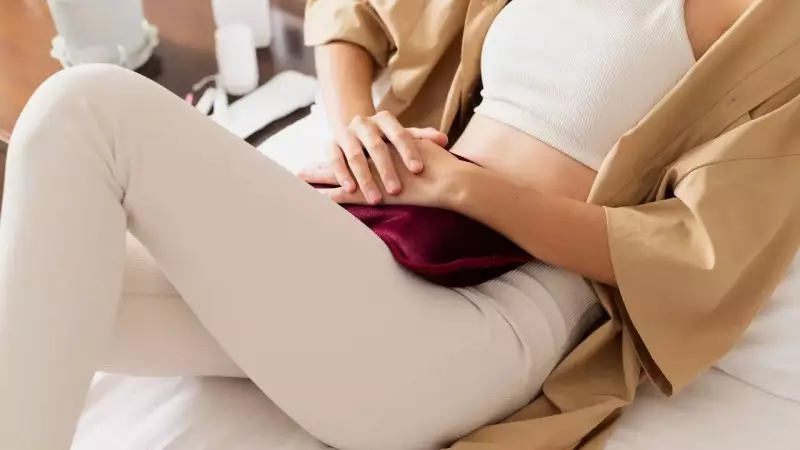
Feeling a familiar twinge or cramp in your lower abdomen but your period is nowhere in sight? This common experience can be both confusing and concerning for many women across India. While menstrual cramps are a well-known phenomenon, pelvic discomfort occurring at other times of the month often leaves women puzzled about its origins and significance.
Understanding what triggers these off-cycle cramps is crucial for effective management and peace of mind. The causes range from completely normal bodily functions to conditions requiring medical attention, making awareness your first line of defense.
Beyond Menstruation: Understanding Your Body's Signals
Your reproductive system, digestive tract, urinary system, and even stress levels can all generate sensations that feel remarkably similar to period cramps. Research published in the Journal of Psychosomatic Obstetrics and Gynecology confirms that hormonal fluctuations significantly influence pelvic pain outside the menstrual window, explaining why discomfort isn't always period-related.

1. Ovulation Pain: Your Body's Monthly Reminder
One of the most frequent culprits behind non-period cramps is ovulation, medically known as Mittelschmerz. Approximately midway through your menstrual cycle, when an ovary releases an egg, some women experience a sharp or dull ache on one side of the lower abdomen.
This ovulation pain typically lasts from minutes to two days and may alternate sides monthly depending on which ovary is active. While generally harmless, women with underlying conditions like ovarian cysts might experience more pronounced discomfort.
2. Early Pregnancy Changes
Before a missed period even signals pregnancy, mild cramping can occur as the fertilized egg implants itself into the uterine lining. This implantation cramping resembles light period pains but is usually shorter and less intense.
However, severe cramps accompanied by dizziness or bleeding could indicate complications like ectopic pregnancy and warrant immediate medical consultation.
3. Hormonal Imbalances and Their Impact
Your hormones, particularly estrogen and progesterone, play a pivotal role in uterine behavior. Fluctuations due to stress, birth control adjustments, perimenopause, or conditions like PCOS and thyroid disorders can trigger irregular uterine contractions leading to cramping without bleeding.
Women with PCOS often experience irregular cycles alongside bloating and intermittent pelvic pain, making hormonal evaluation essential for persistent symptoms.
4. Digestive Issues Mimicking Period Cramps
The close proximity of your intestines and uterus means digestive troubles can easily be mistaken for gynecological pain. Common digestive causes include Irritable Bowel Syndrome (IBS), constipation, gas, food intolerances, and gastrointestinal infections.
Digestive cramps frequently accompany additional symptoms like altered bowel habits, nausea, or relief after passing gas or bowel movements, helping distinguish them from reproductive issues.
5. Urinary and Reproductive Health Concerns
Urinary Tract Infections (UTIs) can create pelvic pressure and cramping, especially with bladder inflammation. Other telltale signs include burning during urination, frequent urges to urinate, and cloudy urine. Prompt treatment prevents the infection from spreading to kidneys.
Pelvic Inflammatory Disease (PID), an infection of reproductive organs, also causes cramping alongside unusual discharge, fever, and pain during intercourse. PID requires immediate medical attention to prevent potential infertility or chronic pelvic pain.
6. Structural and Chronic Conditions
Ovarian cysts, while often harmless, can cause cramping or sharp pain that worsens during ovulation, physical activity, or sex. Sudden, severe pain might indicate a ruptured cyst or ovarian torsion needing emergency care.

Endometriosis (uterine-like tissue growing outside the uterus) and adenomyosis (tissue growing into the uterine wall) cause cramping throughout the month, not just during periods. The pain may persist, worsen over time, or radiate to the back and legs. These conditions are frequently underdiagnosed, making specialist consultation vital for consistent pelvic pain.
When to Seek Medical Attention
While many causes of non-period cramps are benign, certain symptoms demand professional evaluation. Consult a healthcare provider if your cramps accompany:
- Severe or sudden pain onset
- Fever, vomiting, or dizziness
- Heavy bleeding or unusual spotting
- Pain spreading to shoulders or back
- Difficulty urinating or having bowel movements
- Discomfort persisting beyond several days
These warning signs could indicate serious conditions like ectopic pregnancy, appendicitis, kidney stones, or severe infections requiring prompt intervention.
Effective Home Management Strategies
For mild, non-alarming cramps, several home approaches might provide relief:
- Applying a warm compress to the lower abdomen
- Maintaining proper hydration
- Gentle walking or stretching exercises
- Over-the-counter pain relief (after medical consultation)
- Dietary adjustments for suspected digestive triggers
- Stress-reduction techniques like meditation or yoga
Remember that persistent, worsening, or unusual symptoms should always be evaluated by a healthcare professional to rule out underlying conditions and ensure appropriate treatment.
Disclaimer: This information serves educational purposes only and is not medical advice. Consult a healthcare professional before implementing any health-related changes to your diet, medication, or lifestyle.





