

Heart Health Alert: How Much Cooking Oil Is Too Much for Indians?
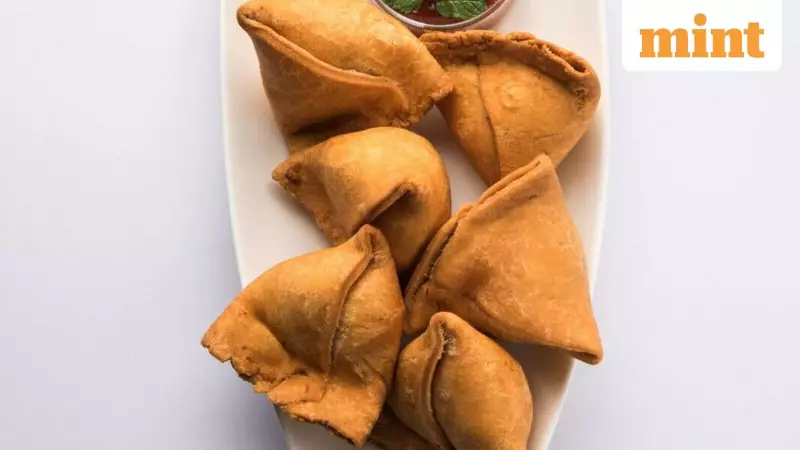
In countless Indian households, the amount of oil used during cooking frequently goes unmonitored. From crispy samosas and golden pakoras to irresistible French fries, oily foods are deeply embedded in our culinary culture. While these treats are hard to resist, understanding the healthy limits of oil consumption is crucial for protecting your heart without sacrificing flavor. Oily food can indeed take a significant toll on cardiovascular health, making it imperative to exercise caution and adopt safer practices.
Why Oil Consumption Often Goes Unnoticed in Indian Homes
Oily foods are incredibly tempting and widely loved across India. Snacks such as bhajiyas, samosas, pakoras, pooris, and French fries are not only delicious but also deeply linked to comfort, celebration, and daily routines. For instance, at birthday parties, festive gatherings, get-togethers, or anniversaries, these oily snacks are often consumed in large quantities. From children and adults to senior citizens, nearly everyone enjoys these foods. While occasional indulgence is not harmful, regularly consuming excess oil can quietly and steadily undermine heart health. Many patients remain unaware that their everyday cooking habits contribute to elevated cholesterol levels, unwanted weight gain, and increased risk of heart disease.
Dr Bipeenchandra Bhamre, Consultant Cardiac Surgeon at Sir H. N. Reliance Foundation Hospital and Research Centre in Mumbai, provides expert insights into determining how much oil is too much. Remembering and adhering to expert-recommended oil intake is essential for maintaining a healthy heart. By avoiding excessive oily foods, you can significantly enhance your overall well-being.

How Excessive Oil Intake Affects the Heart
If you have not yet monitored your oil consumption, now is the time to seek expert guidance. Consuming excess oil, particularly unhealthy or reused oils, raises bad cholesterol (LDL) while lowering good cholesterol (HDL). This imbalance leads to the accumulation of fatty deposits in blood vessels, narrowing the arteries, reducing blood flow to the heart, and causing a condition known as Atherosclerosis.
Over time, this increases the likelihood of heart attacks, high blood pressure, and strokes. Excessive oil intake also contributes to obesity and diabetes, both of which place additional strain on the heart. Fried foods absorb substantial amounts of oil, making them calorie-dense and challenging for the body to process when consumed frequently. Paying close attention to oil content is a vital step in safeguarding your heart.
Choosing the Right Cooking Oil to Prevent Heart Problems
It is important to understand that oils rich in unsaturated fats can be beneficial for heart health. These include mustard oil, groundnut oil, rice bran oil, olive oil, and sunflower oil. Avoid reusing the same oil repeatedly for frying, as reheated oil can generate harmful compounds that may damage blood vessels and exacerbate health risks.
How Much Oil Is Actually Healthy?
For healthy adults, the recommended daily oil intake is approximately 3–4 teaspoons (15ml). This total includes all cooking oils, hidden oils in snacks, and oils from restaurant meals. It is crucial not to exceed this quantity. Sticking to expert-recommended consumption levels supports essential bodily functions without harming the heart. Portion control remains key, even when using healthier oil options. Therefore, consulting an expert to determine the appropriate quantity and practicing moderation in oil use is highly advisable.
Heart-Healthy Tips to Reduce Oil Intake
Consider alternative cooking methods such as steaming, grilling, roasting, or air-frying, which are gentler on your heart. Avoid making deep-fried foods a regular habit and limit fried snacks. Consuming them once every 7-8 months in small amounts is acceptable. Always read food labels to identify hidden fats in packaged products. Use minimal oil while cooking and balance oily foods with plenty of fruits, vegetables, and whole grains. Keeping these tips in mind will help you maintain optimal health.

Oil is an essential component of cooking, but excessive use can severely strain the heart. Adopting safety measures like selecting the right oils, controlling portion sizes, and making incremental changes in cooking habits can significantly protect your cardiovascular health. Do not take your heart health lightly. Stay vigilant by prioritizing your heart health starting today!
(The author, Nivedita, is a freelance writer specializing in health and travel topics.)
Key Takeaways
- Healthy adults should limit daily oil intake to 3-4 teaspoons, encompassing all sources.
- Reusing cooking oil can produce harmful compounds that damage blood vessels.
- Opt for healthier cooking methods like steaming or grilling to minimize oil consumption.





