

Your morning toast or quick air-fried snack might be filling your home with invisible pollution. A groundbreaking study from South Korea has uncovered that common kitchen and personal care gadgets are major, silent sources of indoor air pollution, releasing trillions of potentially harmful ultrafine particles every time they are used.
Invisible Invaders from Everyday Devices
Researchers at Pusan National University conducted controlled experiments in a sealed laboratory chamber to measure emissions from popular household items. The team focused on ultrafine particles (UFPs), which are smaller than 100 nanometers. At this microscopic size, these particles are too tiny to be trapped by nasal hairs and can penetrate deep into lung tissue and even enter the bloodstream.
The study, published in the Journal of Hazardous Materials in late 2025, identified a cocktail of heavy metals in the particle mix, including copper, iron, aluminum, silver, and titanium. These metals are likely abraded from internal components like heating coils and motor parts during normal operation. Once inhaled, such contaminants are linked to inflammation and cellular damage.

The Worst Offenders and How They Compare
The appliance emitting the highest volume of pollutants was an empty pop-up toaster. Its glowing heating coils alone released a staggering 1.73 trillion ultrafine particles per minute. Air fryers followed, producing a steady stream of particles throughout their cooking cycles.
Hair dryers equipped with traditional brushed DC motors were also significant polluters, emitting bursts of particles. However, the research offered a clear engineering solution: switching to brushless motors in hair dryers reduced particle emissions by 10 to 100 times. While the study tested South Korean models, the underlying technology is global, indicating a widespread concern.
Health Risks and Who is Most Vulnerable
Although this particular study did not conduct direct health tests, it builds upon a substantial body of prior research. Previous studies connect long-term exposure to UFPs with increased risks of asthma attacks, cardiovascular strain, hypertension, diabetes, and even cancer.
The risk is not uniform for everyone. Children are at higher risk due to their narrower airways, where particles can linger longer, and because they inhale more air per kilogram of body weight. The problem is magnified by modern lifestyles, with remote work and extreme weather keeping families indoors for longer periods, leading to a quiet buildup of exposure.
Practical Steps for Cleaner Indoor Air
Professor Changhyuk Kim, involved in the research, advocates for appliance designs that prioritize low emissions and for air quality regulations that specifically protect children. Manufacturers can contribute by adding filters, using cooler-running materials, and adopting brushless motor technology.
Consumers are not powerless and can take immediate action:
- Ventilate actively: Use toasters, air fryers, and similar appliances near an open window, preferably with an exhaust fan running to pull contaminated air outside.
- Choose smarter tech: Opt for hair dryers with brushless motors when buying new appliances.
- Avoid empty runs: Do not run appliances like toasters without food, as this increases particle shedding from heating elements.
- Monitor your air: Consider using affordable indoor air quality sensors to understand pollution levels in your home.
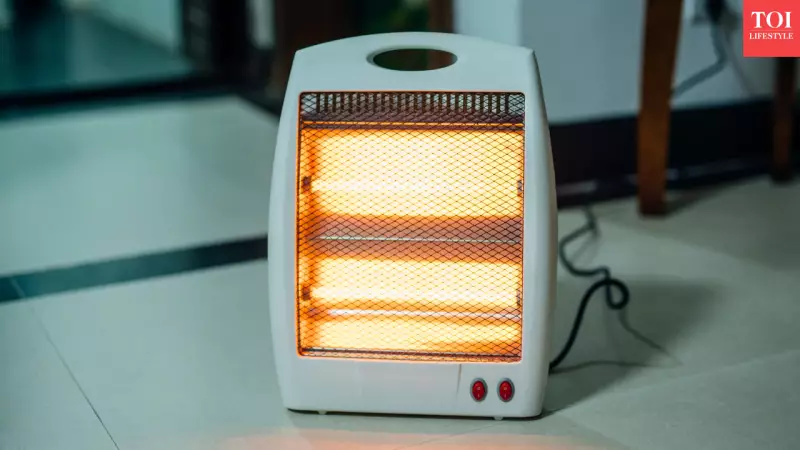
In the longer term, the findings fuel expert calls for regulations that could mandate UFP emission testing for appliances, similar to today's energy efficiency labels. Extending this research to other common devices like irons, vacuums, and space heaters will help create a comprehensive safety map for the modern home.
This research shifts the spotlight on indoor pollution as a modern health threat, rivaling the impact of outdoor smog in our daily lives. As the world moves towards more home-centric living, addressing emissions from everyday appliances becomes a critical step in safeguarding public health, starting with the most vulnerable.






