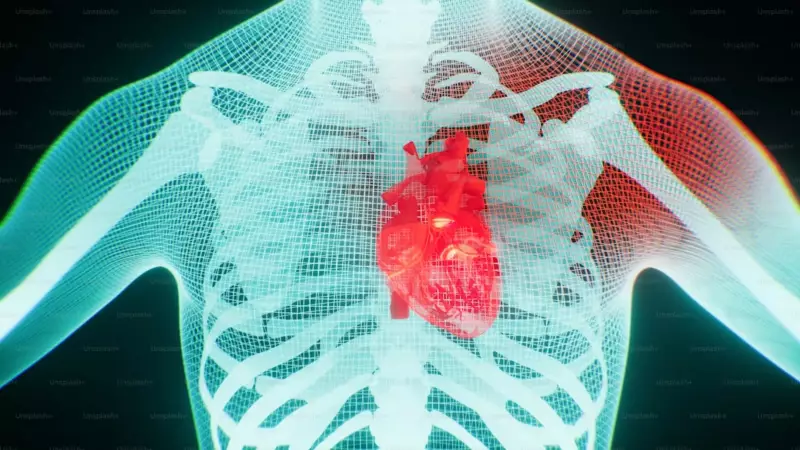
For many, stress is an unavoidable part of modern life. However, its impact extends far beyond temporary anxiety or a bad mood. Medical experts now confirm that chronic, unmanaged stress is a significant and direct threat to your heart's health, acting as a silent catalyst for severe cardiovascular conditions.
The Direct Link Between Your Mind and Your Heart
When you experience stress, your body's ancient "fight-or-flight" response kicks in. This triggers the release of hormones like cortisol and adrenaline. While useful in short bursts, the constant presence of these hormones in your bloodstream due to persistent stress creates a cascade of damaging effects on the cardiovascular system.
One of the primary mechanisms is inflammation. Chronic stress promotes a state of low-grade, systemic inflammation throughout the body. This inflammation directly damages the inner lining of your blood vessels, known as the endothelium. This damage is the foundational step for atherosclerosis, the process where plaque builds up in the arteries, narrowing them and restricting blood flow to the heart.
Five Critical Ways Stress Harms Your Heart
Understanding the specific pathways is key to recognizing the danger. Here are the major cardiac risks posed by prolonged stress:
1. Elevated Blood Pressure and Heart Rate: Stress hormones cause your blood vessels to constrict and your heart to beat faster. This temporarily increases blood pressure. Over time, this constant strain can lead to hypertension (high blood pressure), a major risk factor for heart attack and stroke.
2. Increased Risk of Heart Attack and Stroke: The combination of inflamed arteries, higher blood pressure, and elevated cholesterol (another stress-related effect) significantly raises the likelihood of a blood clot forming. A clot can block a narrowed coronary artery, causing a heart attack, or travel to the brain, causing a stroke.
3. Promotion of Unhealthy Habits: Stress often leads to coping behaviors that are detrimental to heart health. People under constant stress are more likely to indulge in comfort eating (often high in sugar and fat), smoke tobacco, consume excessive alcohol, and neglect physical exercise—all of which are independent risk factors for heart disease.
4. Disruption of Heart Rhythm: Severe emotional stress can sometimes trigger arrhythmias, or irregular heartbeats. In vulnerable individuals, a sudden, intense stressful event can even lead to "broken heart syndrome" (Takotsubo cardiomyopathy), a temporary condition that mimics a heart attack.
5. Worsening of Existing Conditions: For individuals already diagnosed with heart disease, stress can worsen their symptoms and prognosis. It can make angina (chest pain) more frequent and severe and can hinder recovery after a cardiac event.
Protecting Your Heart: Strategies to Manage Stress
Recognizing that stress is a cardiac risk factor is the first step. The next, and most crucial, step is proactive management. You cannot eliminate all stress, but you can change how you respond to it.
Prioritize Regular Physical Activity: Exercise is a powerful stress reliever. It helps lower cortisol levels, releases endorphins (feel-good hormones), improves sleep, and directly strengthens the heart muscle. Aim for at least 30 minutes of moderate exercise, like brisk walking, most days of the week.
Practice Mindfulness and Relaxation: Techniques such as deep breathing exercises, meditation, and yoga have proven benefits in calming the nervous system and reducing the physiological impact of stress. Even a few minutes of focused breathing daily can make a difference.
Maintain Social Connections: Strong, supportive relationships act as a buffer against stress. Talking to friends, family, or a support group can provide perspective and reduce the feeling of being overwhelmed.
Seek Professional Help When Needed: If stress feels unmanageable and is affecting your daily life and health, do not hesitate to consult a mental health professional. Therapy or counseling can provide effective tools for stress management.
The connection between a stressed mind and a suffering heart is undeniable. In today's fast-paced world, managing stress is not merely a lifestyle choice but a critical component of preventive cardiology. By adopting healthy coping mechanisms, you are not just improving your mental well-being; you are taking a vital step towards safeguarding your heart for the long term.