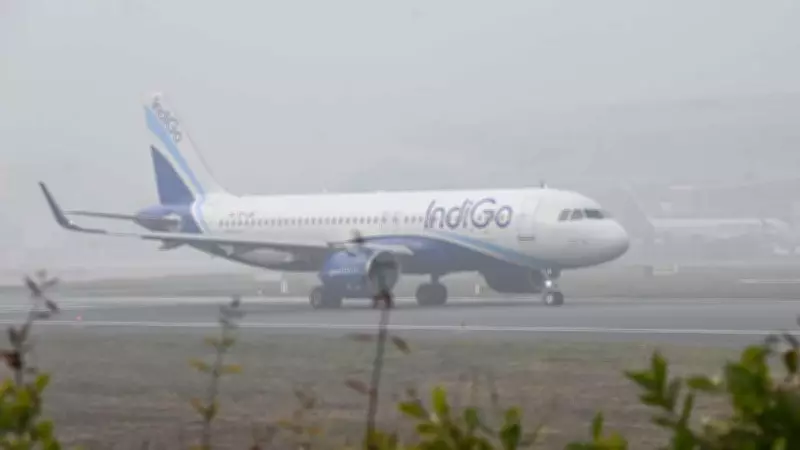
IndiGo Announces Fuel Surcharge as West Asia Conflict Drives Up Costs
In a significant move impacting air travel affordability, IndiGo, India's largest airline by market share, has officially announced the implementation of a fuel surcharge on its flights. This decision comes as a direct response to the escalating costs of aviation turbine fuel (ATF), which have been exacerbated by the ongoing geopolitical tensions and conflict in the West Asia region. The airline confirmed this development on March 13, 2026, signaling a notable shift in pricing strategy that will affect passengers across its extensive domestic and international network.
Rising Fuel Prices Prompt Surcharge Implementation
The primary driver behind this surcharge is the sharp increase in ATF prices, which have surged due to supply chain disruptions and market volatility stemming from the West Asia conflict. Aviation fuel constitutes one of the largest operational expenses for airlines, and IndiGo has cited these external economic pressures as necessitating this additional fee to maintain service quality and operational stability. The surcharge is expected to be applied across all ticket categories, including economy and business class, though the exact amount may vary based on route distance and other factors. This adjustment reflects broader trends in the global aviation industry, where carriers are grappling with similar cost challenges.
Impact on Passengers and Travel Plans
For travelers, this announcement means that booking flights with IndiGo will become more expensive in the coming weeks. The fuel surcharge is likely to be integrated into the total fare displayed during the booking process, potentially increasing ticket prices by a noticeable margin. Passengers are advised to factor in these additional costs when planning their trips, especially for long-haul or international routes where the surcharge could be more substantial. Industry analysts predict that this move might lead to a ripple effect, with other airlines considering similar measures if fuel prices remain high, further impacting the overall cost of air travel in India.

Broader Context and Industry Implications
The West Asia conflict has had far-reaching consequences on global energy markets, with aviation fuel prices experiencing significant fluctuations. IndiGo's decision to introduce a fuel surcharge highlights the vulnerability of the airline sector to geopolitical events and economic instability. This development underscores the need for airlines to adapt their pricing models in response to external shocks, balancing cost recovery with customer affordability. As the situation evolves, passengers can expect continued monitoring of fuel costs, with potential adjustments to the surcharge based on market conditions. The airline has emphasized its commitment to transparency, ensuring that customers are informed about these changes through official channels.
In summary, IndiGo's fuel surcharge announcement marks a pivotal moment for air travel in India, driven by the economic fallout from the West Asia conflict. Travelers should prepare for higher fares as the airline navigates these challenging times, while the industry watches closely for broader impacts on competition and pricing strategies.