

Scrolling through Instagram or any social media platform today feels like entering a zone of health panic. A constant stream of posts labels cholesterol as public enemy number one, turning everyday foods like eggs and butter into objects of fear. This oversimplified narrative, however, is causing unnecessary anxiety and misguided dietary choices, according to a leading heart specialist.
The Essential Truth About Cholesterol
Dr. Ashish Kumar, Senior Consultant in the Adult Cardiology Department at Amrita Hospital, Faridabad, stresses that the social media frenzy misses a fundamental point. Cholesterol is not inherently harmful; the body actually needs it to function. "It is essential to every single cell in your body," Dr. Kumar explains. Cholesterol plays a crucial role in building cell membranes, producing vital hormones like cortisol and estrogen, and even in creating vitamin D.
He clarifies a major misconception: "No matter what you consume, the majority of the cholesterol you require is produced by the liver." The real issue is not cholesterol itself, but how it travels through the bloodstream. Dr. Kumar details that LDL, often dubbed "bad cholesterol," only becomes hazardous under specific conditions—when it is present in excess, lingers in the blood for too long, and oxidizes. This risk is particularly heightened in individuals with conditions like diabetes, obesity, or those who smoke.

On the other hand, HDL cholesterol acts as a beneficial cleanup crew, helping to remove excess cholesterol from the arteries.
Heart Disease: A Multi-Factor Problem
Dr. Kumar emphasizes that heart disease is rarely the result of a single factor like cholesterol. "If there are no additional risk factors, high cholesterol may not present issues for years," he states. Conversely, a person with normal cholesterol levels can still develop heart disease if other risk factors are present.
These include uncontrolled high blood sugar, hypertension, a sedentary lifestyle, chronic stress, and poor sleep quality. This holistic view is often missing from viral social media content, which tends to focus on isolated numbers without context.
Eggs, Ghee, and Diet: Time to Rethink?
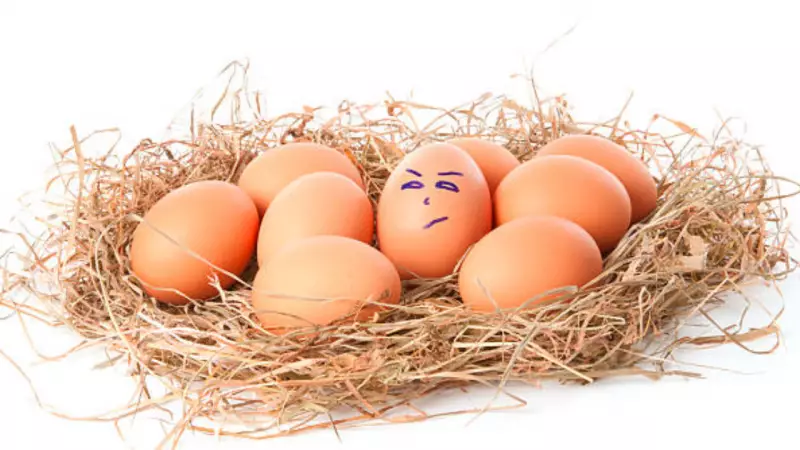
Addressing common dietary fears, Dr. Kumar tackles the myth surrounding cholesterol-rich foods. The widespread belief that avoiding eggs or ghee will automatically protect the heart is an oversimplification. Foods like eggs, almonds, and dairy, when consumed in moderation, do not directly cause artery blockage.
The greater threat to heart health, he points out, comes from an overall pattern of poor lifestyle choices. This includes excessive consumption of refined carbohydrates, sugary snacks, trans fats, combined with smoking and physical inactivity. "Understanding balance is more important for heart health than being afraid about cholesterol," he advises.
Instead of chasing quick fixes from viral clips, Dr. Kumar recommends a more sustainable approach: focus on regular health check-ups to understand your full lipid profile, stay physically active, manage stress effectively, and prioritize a diet of real, minimally processed foods.
The key takeaway is clear: do not let flashy infographics dictate your health decisions. While social media can raise awareness, it often breeds overthinking and unnecessary worry. Cholesterol is not a villain; it is a misunderstood and essential component of your body. Have a proper conversation with a doctor or a dietitian, understand your numbers in context, and focus on a balanced lifestyle for long-term heart health.






