

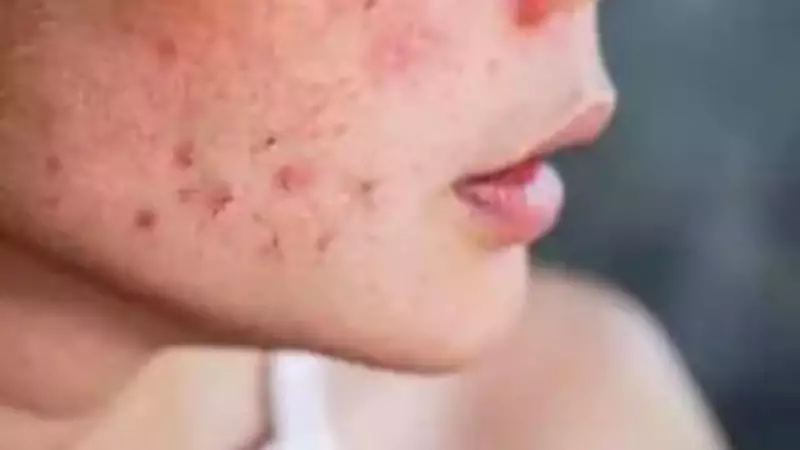
Acne Scars Extend Deeper Into Skin Than Previously Believed, New Study Finds
If you have invested in creams, chemical peels, or laser therapies yet your acne scars persist, the problem might not lie with the treatment itself but with the actual depth of the scars. A groundbreaking study conducted by doctors at Delhi's ABVIMS and Ram Manohar Lohia Hospital reveals that acne scars are far more than a superficial skin issue. They can penetrate nearly 2 millimeters into the skin, which is deeper than many conventional treatments are designed to target.
Depth Mismatch Leads to Uneven Results
The research involved microscopic analysis of various scar types, uncovering significant depth variations. Ice-pick scars, characterized by their narrow, pin-like appearance, were found to be the deepest. Broader boxcar scars and wavy rolling scars, while slightly less deep, still extended well below the upper layers of the skin. This depth mismatch is critical because many commonly used treatments only affect the top layers. If these therapies fail to reach the base of the scar, the underlying dent remains, even if the surface appears temporarily smoother.
Dr. Kabir Sardana from the dermatology department at RML Hospital, one of the study's authors, explained, "We conducted a pilot study to assess the depth of acne scars as part of a thesis. Our findings indicate that some scars, like ice picks, are so deep they may not respond adequately to standard laser treatments." He emphasized the practical implications, noting that patients should be informed that certain scars might not completely disappear even with advanced laser procedures. However, adjusting the laser dose to achieve greater depth could potentially improve outcomes for deeper scars.

Structural Alterations in Scarred Skin
The study also highlights that scarred skin undergoes profound structural changes beyond mere damage. Collagen fibers become disorganized, elastic fibers shrink, and essential structures such as hair follicles and oil glands are largely lost. Additionally, signs of ongoing inflammation suggest that scars are not fully inactive. The skin heals by forming new tissue in a different manner, which explains why scars or uneven marks can develop and persist over time.
Dr. Abhinav Bansal from RML Hospital added that there is no universal solution for acne scarring. Each scar type requires a distinct approach, and treatments must be tailored to match the specific depth of the scar. This personalized strategy is crucial for achieving better results and minimizing the risk of complications.
Relevance for Individuals with Darker Skin Tones
The findings are particularly significant for Indians and others with darker skin, where acne scarring is common and treatment carries a higher risk of pigmentation issues. Understanding the depth and structure of scars can help dermatologists develop more effective and safer treatment plans for these populations.
In summary, if your acne scars are not improving despite various treatments, it may not be about intensifying efforts but about adopting smarter, more targeted approaches based on the latest scientific insights.






