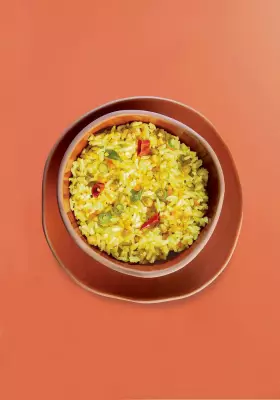
There is a reason dark foods keep earning a place in conversations about healthy eating. Black and deep-purple ingredients tend to be rich in antioxidants, fiber and plant compounds that give them both their dramatic color and much of their nutritional appeal. They are not magic bullets, but they do bring a serious amount of character to the plate: earthy, intense, sometimes sweet, sometimes savory, and often surprisingly versatile. From everyday staples to more niche ingredients, black superfoods can do more than make your meals look interesting. They can add texture, depth and a quiet nutritional upgrade to the foods you already eat. Here are eight worth knowing.
Black Beans
Black beans are one of the easiest superfoods to work into a regular diet. They are affordable, filling and packed with protein, fiber, iron and folate. That combination makes them especially valuable if you are trying to stay full for longer or build meals that feel satisfying without relying heavily on meat. Their flavor is mild and slightly earthy, which means they slip easily into soups, salads, wraps and rice bowls. Mash them for a quick spread, toss them into tacos or simmer them with spices for a comforting stew. Black beans are the kind of food that quietly does a lot of heavy lifting.
Black Rice
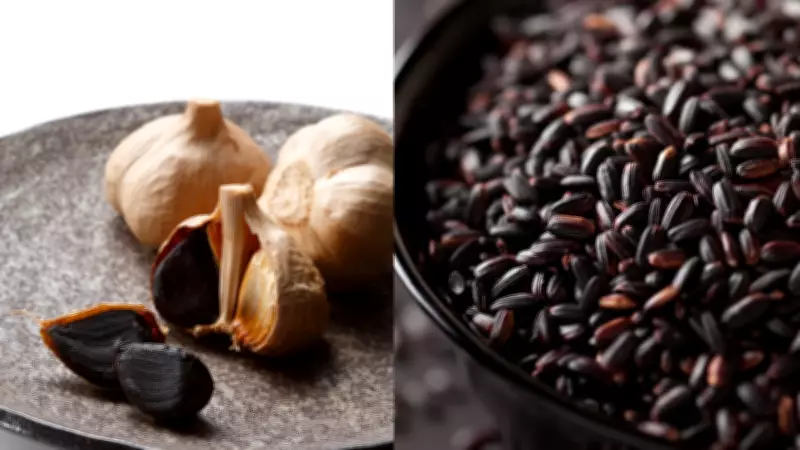
Once reserved for royalty in parts of Asia, black rice has become a favorite among people looking for something more nourishing than ordinary white rice. Its deep color comes from anthocyanins, the same plant pigments found in blueberries and blackberries. It also offers fiber and a pleasantly nutty taste. Black rice is slightly chewy and more aromatic than standard rice, which makes it feel more special on the plate. It works beautifully in grain bowls, side dishes and even desserts. If you want a simple upgrade that looks as good as it tastes, this is a strong place to start.

Black Sesame Seeds
Small but formidable, black sesame seeds bring a rich, toasty flavor and a solid nutritional profile. They contain healthy fats, protein, calcium and magnesium, along with plant compounds that have long been valued in traditional diets. Ground into a paste, sprinkled over yogurt or baked into breads, black sesame adds depth without overpowering other ingredients. It has a slightly bitter edge, which is exactly what makes it interesting. A small amount goes a long way.
Blackberries
Blackberries are one of the easiest black superfoods to love because they feel like a treat. Juicy, tart and just sweet enough, they are loaded with vitamin C, fiber and antioxidants. They are also low in calories, which makes them a smart addition to breakfast bowls, smoothies or simply eaten by the handful. Their dramatic color is a clue to their nutritional density. Blackberries are one of those rare foods that manage to feel indulgent while still being genuinely nourishing.
Black Garlic
Black garlic is ordinary garlic transformed by slow fermentation into something softer, sweeter and almost molasses-like in flavor. It loses the sharp bite of raw garlic and becomes rich, sticky and deeply savory. Nutrition-wise, black garlic still carries many of the benefits associated with garlic, while offering a gentler taste that makes it easier to use in sauces, dressings, pasta and roasted vegetables. It is especially useful for anyone who loves garlic flavor but not its intensity.
Black Lentils
Also known as beluga lentils because they resemble caviar, black lentils are elegant, protein-rich and wonderfully practical. They hold their shape well after cooking, which makes them ideal for salads, soups and grain-based meals. They are high in fiber and plant protein, and they have a pleasant, earthy flavor that feels more refined than some other lentil varieties. Black lentils are proof that healthy food does not have to be bland or rustic. They can be polished, filling and deeply satisfying.
Black Olives
Black olives bring healthy fats and a briny, savory richness that instantly changes the mood of a dish. They contain antioxidants and are a staple of the Mediterranean-style way of eating, which is often praised for its heart-friendly profile. A few olives can wake up a salad, top a pizza or give a pasta dish a more layered flavor. They are not subtle, and that is exactly the point. Black olives are all about confidence on the plate.

Black Soybeans
Black soybeans are less familiar than regular soybeans, but they deserve more attention. They are rich in protein, fiber and minerals, and they have a firmer texture and deeper flavor than many people expect. They can be used in soups, salads, stir-fries and even blended into dips. For people looking to eat more plant protein, black soybeans offer a useful and underrated option.