As we age, maintaining balance and stability becomes a cornerstone of independent living and overall wellness. A decline in balance is a primary risk factor for falls, which can lead to serious injuries and a loss of confidence. The good news is that balance, much like muscle strength, can be improved with targeted, safe exercises. For older adults in India and worldwide, incorporating a simple routine of balance exercises into daily life is a powerful step towards safeguarding health and mobility.
Why Balance Training is Non-Negotiable for Seniors
The importance of dedicated balance exercises for the elderly cannot be overstated. Falls are a leading cause of injury among older adults, often resulting in fractures, head trauma, and a long road to recovery. Beyond the physical harm, a fall can instill a fear of movement, leading to reduced activity, social isolation, and a decline in overall quality of life. Proactive balance training strengthens the muscles in the legs and core, sharpens proprioception (the body's sense of its position in space), and enhances coordination. This holistic approach builds a robust defense against falls, empowering seniors to move with greater assurance in their daily activities.
Eight Effective Exercises to Enhance Stability
Here are eight practical balance exercises designed specifically for older adults. It is crucial to begin by performing these exercises near a sturdy chair, countertop, or wall for support. Always prioritize safety and consult a doctor or physiotherapist before starting any new fitness regimen, especially if you have existing health concerns.
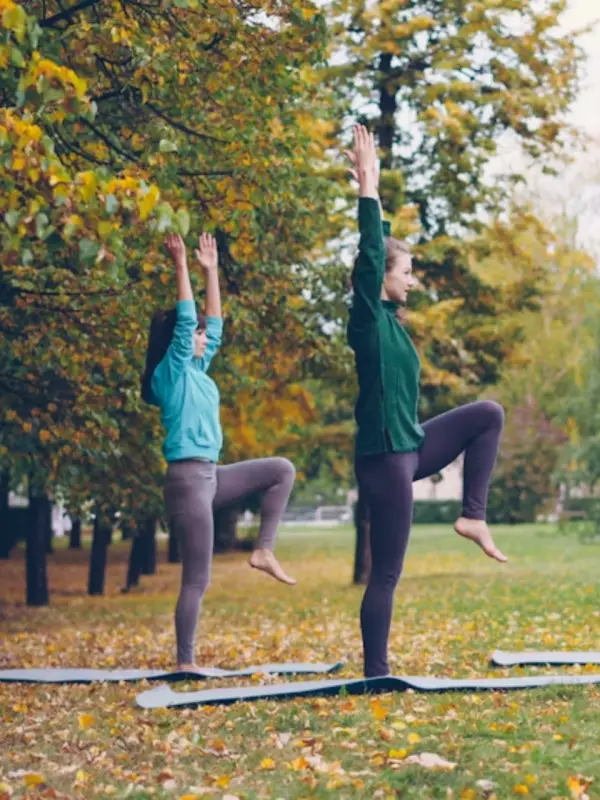
1. Single-Leg Stands: This foundational exercise is excellent for building leg strength and stability. While holding onto a chair for support, slowly lift one foot off the ground, bending the knee slightly. Aim to hold the position for 10-30 seconds, then switch legs. Repeat 2-3 times per leg.
2. Heel-to-Toe Walk: Mimicking the straight-line walk of a sobriety test, this exercise dramatically improves coordination. Place the heel of one foot directly in front of the toes of the other foot with each step. Use a wall for support if needed and try to take 10-20 steps in this precise manner.
3. Side Leg Raises: Holding onto a chair for balance, keep your back straight and slowly lift one leg out to the side without tilting your torso. Hold for a moment, then lower it with control. Perform 10-15 repetitions on each side to strengthen the hip abductors, which are vital for lateral stability.
4. Back Leg Raises: Similar to the side raise, this targets the glutes and hamstrings. While holding a chair, slowly extend one leg straight back, keeping your spine neutral and avoiding arching your back. Hold, then lower. Complete 10-15 reps on each leg.
5. Toe Stands (Calf Raises): Calf strength is essential for push-off power while walking. Holding a chair, slowly rise up onto the balls of both feet, lifting your heels as high as comfortable. Pause at the top, then lower slowly. Do 10-15 repetitions. As you gain strength, try doing it one leg at a time.
6. Sit-to-Stand: This functional exercise replicates the motion of getting up from a chair, a critical movement for daily life. From a seated position in a sturdy chair, lean forward slightly and use your leg muscles to stand up without pushing off with your arms more than necessary. Lower yourself back down with control. Aim for 10-15 repetitions.
7. Tai Chi Movements (Weight Shifts): Inspired by the gentle martial art of Tai Chi, this involves slowly shifting your body weight from one foot to the other. With feet hip-width apart, gradually transfer your weight to the right leg, allowing the left heel to lift slightly. Hold, then shift to the left. Continue for 30-60 seconds, focusing on smooth, controlled motion.
8. Tightrope Walk (with support): An advanced version of the heel-to-toe walk, imagine walking on a tightrope. Extend your arms out to the sides for balance and walk slowly in a straight line, placing one foot directly in front of the other. Use a wall or hallway for safety and take 10-20 steps.
Building a Safe and Sustainable Routine
Consistency is key to reaping the benefits of these fall prevention exercises. Start slowly, perhaps with just two or three exercises per session, and gradually build up. Always perform them in a clear, clutter-free space with a supportive surface nearby. Wear proper, flat shoes with good grip. Most importantly, listen to your body. A slight muscle shake is normal, but sharp pain is a signal to stop. Pairing this routine with other forms of gentle exercise like walking or swimming can further enhance overall wellness for the elderly.
By dedicating a few minutes each day to these stability exercises for older adults, seniors can actively invest in their long-term health, independence, and confidence. It's a proactive measure that pays dividends in safety, mobility, and the continued joy of an active life.