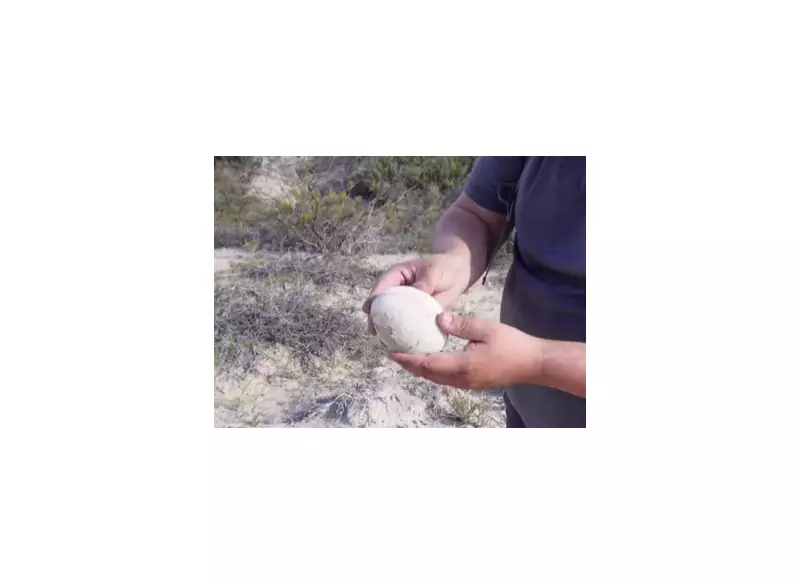
In an extraordinary discovery that seems straight out of Jurassic Park, scientists have unearthed a perfectly preserved dinosaur egg dating back an astonishing 70 million years. This remarkable fossil find is rewriting our understanding of prehistoric life and offering unprecedented insights into the Cretaceous period.
The Million-Year-Old Time Capsule
The exceptionally well-preserved egg belongs to a bird-like dinosaur species that roamed the Earth during the Late Cretaceous era. What makes this discovery particularly significant is the pristine condition of the fossil, which has survived millions of years of geological changes virtually intact.
This isn't just another fossil find - it's a perfectly preserved biological time capsule that provides scientists with rare clues about dinosaur reproduction, development, and evolution.

Revolutionary Insights into Prehistoric Life
The discovery offers paleontologists a unique window into the world of dinosaurs:
- Detailed understanding of dinosaur embryonic development
- New evidence about the evolutionary link between dinosaurs and modern birds
- Insights into nesting behaviors and reproductive strategies
- Clues about environmental conditions during the Cretaceous period
Why This Discovery Matters Today
This groundbreaking find goes beyond academic interest. It represents a significant leap in our understanding of evolutionary biology and helps piece together the complex puzzle of how life on Earth has transformed over millions of years. The preservation quality is so exceptional that researchers can study microscopic details that are typically lost in most fossil records.
The discovery underscores how much we still have to learn about our planet's ancient inhabitants and their connection to modern species.
As analysis continues, the scientific community anticipates that this single egg could unlock numerous secrets about prehistoric life, potentially leading to revised theories about dinosaur behavior, physiology, and their ultimate extinction.