7 Things to Avoid After Sunset According to Traditional Wisdom
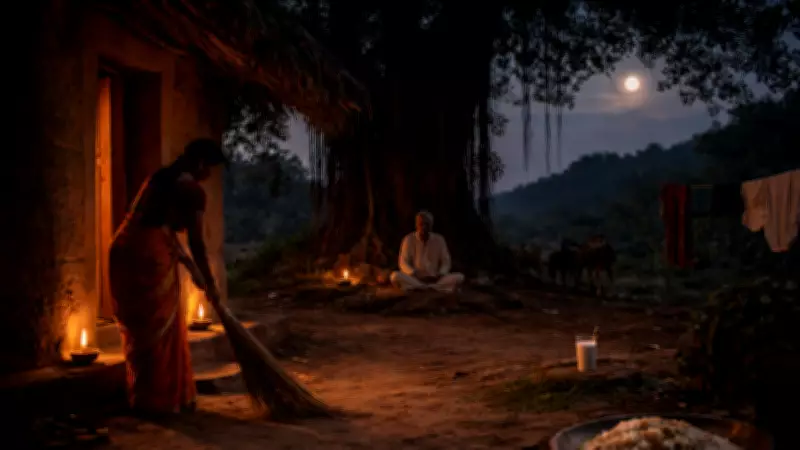
Across countless Indian households, dusk has always carried a profound sense of instruction. Lamps are ceremoniously lit, windows gently shut, and kitchens gradually slow their pace. Elders softly remind children not to wander too far as the light fades. These habits were rarely framed as mere superstition. Instead, they arrived wrapped in layers of story, ritual, and repetition, passed down through generations until they became instinct. Traditional wisdom treats sunset as a sacred threshold, a pivotal moment when the day turns inward and the body is meant to settle rather than strain.
Some of these ideas spring from deep spiritual belief, while others originate from astute observations about health, hygiene, and safety made long before the advent of electric lighting or modern medicine. This blend of the practical and the profound has created a rich tapestry of evening customs. Here are seven things many traditions explicitly suggest avoiding after the sun goes down, along with the compelling reasons these ideas took such firm root in our collective consciousness.
1. Cutting Nails or Hair
In numerous families, the act of trimming nails or cutting hair after dark is strongly discouraged. One foundational, practical explanation lies in the historical context. Before the widespread use of electricity, poor lighting made the use of sharp tools for such precise tasks inherently risky. A simple slip could easily cause a significant injury or lead to a serious infection in an era without modern antiseptics.

There is also a powerful symbolic layer to this prohibition. Nails and hair are traditionally considered extensions of the body linked directly to one's vitality and life force. Nighttime was universally associated with rest, preservation, and introspection rather than removal, change, or expenditure of energy. Over centuries, this sensible caution gradually hardened into a respected custom, blending safety with spiritual mindfulness.
2. Eating Heavy or Cold Food
Ayurvedic philosophy profoundly connects the body's digestive processes, or Agni, to the solar cycle. As daylight fades, this digestive fire is believed to naturally weaken, making rich, oily, excessively spicy, or cold foods considerably harder for the body to process efficiently.
This is precisely why elders traditionally encouraged lighter, warmer dinners consumed well before sunset. Simple dals, nourishing soups, or gently cooked vegetables were consistently preferred over heavy fried snacks or cold leftovers pulled straight from storage. From a contemporary perspective, this advice reads like early nutritional common sense: nourish your body gently as it prepares for its nightly restorative sleep, avoiding digestive strain.
3. Sleeping Immediately After Dinner
Another familiar and widespread warning is to avoid lying down or going to sleep immediately after eating a meal. Traditional households often insisted on a short, leisurely walk or at least sitting upright and engaged for a considerable while after the evening meal.
Through a modern scientific lens, this aligns seamlessly with what we now understand about acid reflux and optimal digestion. Maintaining an upright posture assists gravity in moving food properly through the digestive tract, preventing discomfort and promoting better metabolic health. Traditional wisdom elegantly framed this practice as a form of deep respect for the body’s natural nocturnal rhythm, a time for slow, steady digestion rather than a struggle against physiology.
4. Sweeping the House
The act of sweeping the home after sunset is discouraged in several cultural regions, particularly near prayer spaces or household thresholds. On a spiritual level, it was sometimes said to symbolically sweep away prosperity, peace, or positive energy from the dwelling.

There was also a very pragmatic, non-symbolic side to this rule. In the low light of pre-electric eras, sweeping could inadvertently scatter precious valuables, vital food grains, or tiny household items without anyone noticing until morning. Furthermore, dust kicked up indoors at night would linger in enclosed, still rooms rather than being carried away by daylight breezes. What began as sensible household management and timing eventually accumulated profound symbolic weight over generations.
5. Plucking Tulsi or Other Sacred Plants
Many traditional homes avoid plucking leaves from the sacred Tulsi plant or other revered herbs after dusk. The Tulsi plant is believed to enter a state of rest at night and is treated with immense reverence, with rituals involving it typically reserved for the purity of morning hours.
From an ecological perspective, evening moisture and cooler temperatures also render plants more vulnerable to damage when handled. The cell structure is different, and recovery from pruning is slower. Over long periods, this blend of devotional respect and acute observation of nature's cycles fused into a guiding rule that felt simultaneously protective, respectful, and in harmony with the environment.
6. Arguing or Starting Major Tasks
Traditional advice consistently suggests maintaining calm evenings, consciously avoiding heated arguments, intense confrontations, or embarking on significant new ventures after sunset. This guidance champions winding down the day's energy.
Psychologically, this possesses resonant, quiet sense. Natural fatigue accumulates through the day. Patience often wears thin, and tempers can shorten as energy reserves deplete. Judgment and perspective can become clouded by tiredness. Encouraging families and individuals to decompress and relax rather than escalate tensions served as a powerful tool for maintaining long-term domestic and personal harmony. Even in modern times, many people intuitively find that difficult conversations feel disproportionately heavier at night, while the fresh light of morning often offers greater mental clarity and emotional balance.
7. Stepping Out Unnecessarily in Deserted Areas
Before the era of ubiquitous streetlights and constantly busy roads, night travel carried tangible, serious risks: encounters with wild animals, treacherous uneven paths, the threat of thieves, or simple, dangerous missteps in utter darkness. Elders frequently warned against casual wandering after sunset unless there was a clear, necessary purpose.
What might sound like fear-based advice to modern ears was often deeply rooted in practical community safety. Staying close to home after dark protected individuals, especially children and the elderly, and fostered stronger, more secure communities. This practice minimized external dangers and allowed the household unit to gather and secure itself with the falling night.
The Enduring Legacy of Evening Wisdom
Not every contemporary household follows these rules strictly today, and many people now interpret them symbolically or contextually rather than as literal commandments. Yet, they persist in cultural memory because they speak to something timeless: the fundamental human need to slow down, to protect the physical body, and to bring a sense of peaceful order to the day's closing hours.
Traditional wisdom rarely separated the physical from the spiritual or the practical from the profound. A single, simple instruction could seamlessly encompass hygiene, safety, respect for nature, and mental peace all at once. In this holistic sense, these sunset cautions are less about arbitrary restriction and more about cultivating a conscious, healthy rhythm. They gently nudge individuals to treat evening as a soft, graceful landing—a transition—rather than another frantic battlefield of ceaseless activity.
As the sky darkens and lamps begin to glow in windows, those ancient reminders continue to echo through time. They endure not as rigid, inflexible laws, but as soft, accumulated guidance, meticulously shaped by centuries of observing how humans, homes, and the natural world best settle into the quiet embrace of the night.