

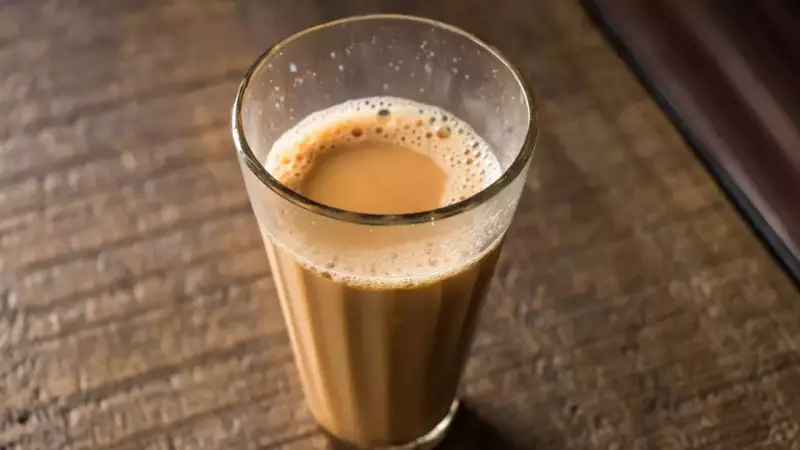
For millions across India, a steaming cup of chai is more than just a beverage—it's a daily ritual that provides comfort, energy, and a moment of peace. However, the way you prepare and consume your tea can significantly impact your digestive system and liver health, turning this comforting habit into a source of health issues.
A peer-reviewed study published in the journal Molecules found that tea polyphenols directly influence gut microbiota composition and digestive balance. Research confirms that brewing techniques, concentration, and timing dramatically affect how tea interacts with your body. Many people experience stomach irritation, acidity, or liver strain without realizing these common tea mistakes are the hidden culprits.
7 Common Tea Mistakes You Must Avoid
Here are the seven most frequent tea preparation errors that seem harmless but gradually strain your digestive system and overload your liver.

1. Brewing Your Tea Too Strongly
One of the most widespread tea mistakes involves steeping tea leaves or bags for too long, creating an excessively strong brew. This practice significantly increases caffeine and tannin levels. High tannin concentrations can irritate the stomach lining, trigger acidity, and cause constipation in sensitive individuals. Strong tea also forces your liver to work harder as it processes concentrated caffeine at an accelerated rate.
2. Drinking Tea on an Empty Stomach
Many Indians begin their day with tea before eating anything, unaware this habit falls among the most harmful tea mistakes. Your stomach contains high acid levels in the morning, and introducing caffeine and tannins immediately can cause nausea, gas, and severe acidity. This practice also interferes with iron absorption, affecting both energy levels and digestion over time. Having a small snack or glass of water before your tea can prevent these issues.
3. Adding Excessive Sugar
While sweet tea tastes comforting, excessive sugar represents one of the worst tea mistakes for gut and liver health. Sugar feeds harmful gut bacteria, slows digestion, and contributes to bloating. For your liver, excess sugar converts to fat, increasing the risk of fatty liver disease over time. If you drink multiple cups of sugary tea daily, the cumulative impact becomes significant. Gradually reducing sugar or switching to lighter alternatives helps protect your digestion.
4. Using Too Much Milk
Milk tea enjoys immense popularity across India, but adding excessive milk becomes one of the most overlooked tea mistakes. Heavy milk slows digestion, causes bloating, and increases that uncomfortable feeling of heaviness after meals. When combined with strongly brewed tea, this combination proves particularly harsh on your stomach. Frequently consuming large amounts of full-fat dairy may also place extra strain on your liver. Using less milk or choosing lighter versions can ease discomfort.
5. Drinking Tea Immediately After Meals
That post-meal cup of tea might feel relaxing, but it ranks among the tea mistakes with the most significant digestive impact. Tea reduces the absorption of essential minerals like iron and zinc, affecting your nutrient levels over time. It also slows the digestive process, leaving you feeling heavy or bloated. Waiting at least thirty minutes after eating gives your gut adequate time to begin breaking down food properly.
6. Consuming Too Many Cups Daily
Exceeding three or four cups of tea daily qualifies as excessive consumption. High caffeine intake irritates the stomach, triggers acid reflux, causes dehydration, and increases reliance on stimulants. Your liver must continuously process this caffeine, adding unnecessary workload. Practicing moderation ensures that tea remains soothing rather than becoming harmful to your system.
7. Relying Solely on Tea for Hydration
Tea possesses mild diuretic properties that increase urine output. Depending exclusively on tea for hydration represents another major tea mistake that can lead to mild dehydration. Dehydration slows digestion and forces your liver to work harder while filtering toxins. Drinking plain water between tea servings helps maintain your body's fluid balance.

Enjoy Your Tea Safely
The problem isn't tea itself but the repeated daily mistakes made without awareness. By avoiding strongly brewed tea, limiting sugar, adjusting milk quantity, timing your tea consumption correctly, and maintaining proper hydration, you can protect both your gut and liver health. A few small adjustments allow you to continue enjoying India's favorite beverage without compromising your long-term wellbeing.
Disclaimer: This article serves general informational purposes only and doesn't substitute for professional medical advice, diagnosis, or treatment. Always consult a qualified healthcare provider regarding any medical condition or lifestyle changes.





