

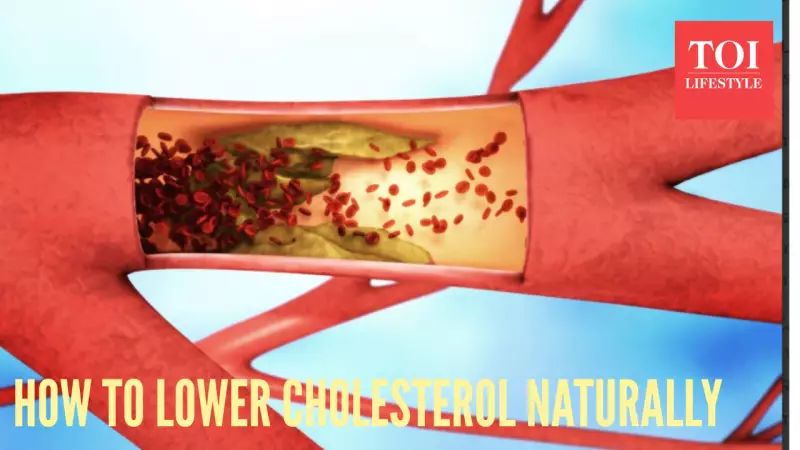
High cholesterol is a pervasive health concern affecting millions globally, significantly increasing the risk of heart attacks and strokes. In essence, cholesterol is a waxy, fat-like substance crucial for building healthy cells, producing hormones, and generating vitamin D. While the body requires a certain amount to function correctly, an excess can trigger numerous health complications. The key lies in managing LDL, the 'bad' cholesterol, while simultaneously boosting HDL, the 'good' cholesterol, by incorporating healthy fats from sources like ghee, nuts, and avocados. Beyond prescribed medication, several natural approaches can aid in controlling cholesterol levels, serving as valuable supplements to your primary treatment plan.
Powerful Seeds and Spices for Cholesterol Control
Common kitchen ingredients can be potent allies in your fight against high cholesterol. Coriander seeds (dhania), a staple in Indian cooking and traditional medicine, have shown promise in recent studies. Coriander seed water or extracts may help reduce LDL cholesterol and elevate HDL levels. This benefit stems from the seeds' rich content of antioxidants and vitamins, which assist the body in processing fats and protecting cardiac health. You can consume the seeds directly, use them in gravies, or start your day with a glass of coriander seed-infused water for a simple, home-based remedy.
Another nutritional powerhouse, flaxseed (alsi), is loaded with heart-supporting nutrients. It is an excellent source of soluble fiber and Alpha-linolenic acid (ALA), a type of omega-3 fatty acid. The soluble fiber slows the absorption of cholesterol in the intestines, while ALA works to reduce inflammation and enhance blood vessel function. Research indicates that ground flaxseed or its oil can lead to a moderate reduction in LDL cholesterol, with the most pronounced effects observed in individuals with pre-existing high cholesterol or in women. Adding a spoonful to your morning smoothie, cereal, or baked goods is an effortless way to harness its benefits.

Antioxidant-Rich Extracts and Beverages
Grape seed extract is celebrated for its high concentration of polyphenols, powerful antioxidants that protect blood vessels and bolster heart function. Studies demonstrate that this extract can effectively lower overall cholesterol and LDL levels. It also strengthens blood vessels and its antioxidant properties help prevent cholesterol oxidation, a process that can damage arteries. Individuals who take supplements containing grape seed extract have reported improved cholesterol numbers and better markers of heart health.
A beloved beverage worldwide, green tea is packed with catechins, a class of antioxidants known to lower both total and LDL cholesterol. Regular consumption of unsweetened green tea has been linked to improved cholesterol profiles and a reduced risk of heart disease. The catechins work by regulating cholesterol absorption and assisting the liver in removing excess cholesterol. Drinking a few cups daily can offer modest yet meaningful cholesterol control as part of an overall healthy lifestyle.
Traditional Indian Spices with Proven Benefits
The aromatic spice cinnamon (dalchini) offers more than just flavor. Multiple studies confirm that cinnamon can reduce total cholesterol, LDL cholesterol, and triglycerides. It may also help raise HDL levels, especially when combined with other heart-healthy foods. These effects are attributed to cinnamon's polyphenols, which combat the inflammation and cellular damage that contribute to heart disease. Research suggests that its cholesterol-lowering impact becomes evident after approximately ten weeks of consistent use. For optimal results, consider incorporating up to 2 grams of cinnamon into your daily diet.

A cornerstone of Indian cuisine, turmeric (haldi) contains the active compound curcumin, renowned for its potent anti-inflammatory properties. Decades of research into curcumin's effects on heart health indicate that it may help lower cholesterol by improving liver function and reducing the inflammation that can lead to clogged arteries. Several studies show that daily consumption of turmeric or curcumin can lead to reductions in both total and LDL cholesterol. You can easily add turmeric to your everyday meals, consume it in milk (haldi doodh), or in teas. However, turmeric supplements should only be taken under medical guidance.
Raw garlic stands out as one of the most well-researched natural remedies. A comprehensive review of 39 clinical trials concluded that consuming garlic daily for more than two months can reduce total cholesterol by approximately 17 mg/dL and LDL cholesterol by about 9 mg/dL. This level of reduction can significantly lower the risk of heart problems and stroke. Garlic is simple to integrate into your diet, whether as a tempering (tadka) in dals and vegetables, in the form of chutney, or consumed raw. For maximum potency, crush a garlic clove and let it sit for a few minutes before consumption.
Disclaimer: This article is for informational purposes only and is not a substitute for professional medical advice.





