

7 Fun Ways to Stay Active Without Feeling Like You're Exercising
Exercise routines are not for everyone. Strict gym sessions and repetitive workouts can often feel like tedious chores rather than enjoyable activities. However, the body still requires regular movement to thrive. Numerous studies confirm that consistent physical activity boosts mood, enhances sleep quality, and reduces the risk of heart disease.
A report by the World Health Organization emphasizes that even moderate, everyday movement can significantly improve overall health. The secret lies in how that movement is perceived. When activity feels playful, creative, or meaningful, the brain ceases to label it as "exercise." So, the essential question arises: what if staying active felt less like effort and more like simply living?
Turn Daily Chores into a Rhythm
Household tasks rarely receive recognition, but they involve genuine physical effort. Activities such as sweeping, mopping, rearranging furniture, or organizing shelves can effectively raise the heart rate. Instead of rushing through these chores, adding music can transform the experience. Movement becomes more fluid, almost akin to dancing, with the body bending, stretching, and lifting without the mental resistance associated with formal workouts.

A study by the Centers for Disease Control and Prevention notes that activities like cleaning can contribute to recommended weekly physical activity levels when performed with moderate intensity.
Walk with a Purpose, Not a Target
Walking is often reduced to mere step counts, but it becomes far more engaging when tied to intention. Visiting a local market, exploring a new street, or taking a longer route to a familiar place sparks curiosity. The mind stays engaged, and the body follows naturally, removing the pressure of hitting numerical targets and replacing it with the joy of discovery.
Purposeful walking improves adherence because it feels less like a chore and more like an integral part of daily life.
Play Like Childhood Never Left
There is a reason children stay active without conscious thought. Play eliminates structure and invites spontaneity. Simple activities like throwing a ball, skipping, flying a kite, or playing a casual game of badminton can offer similar benefits in adulthood. The body moves in varied patterns, often engaging more muscle groups than repetitive gym exercises.
As Albert Einstein once said, "Play is the highest form of research." Movement through play also teaches the body new ways to balance, react, and adapt.
Choose Hobbies That Burn Energy
Some hobbies are deceptively active. Gardening, pottery, photography walks, or cooking elaborate meals require standing, bending, and repetitive movement. These activities engage both the mind and the body. When attention is focused on creating something, physical effort becomes secondary, building endurance over time without conscious effort.
Hobbies like gardening can enhance both physical fitness and mental well-being.
Socialize on the Move
Most social plans revolve around sitting, but small adjustments can make a difference. Walking meetings, leisurely evening strolls with friends, or exploring a nearby park together foster shared experiences while keeping you active. Movement becomes a background activity rather than the main focus, allowing conversations to flow naturally and the body to stay engaged effortlessly.
Use Screens as Movement Cues
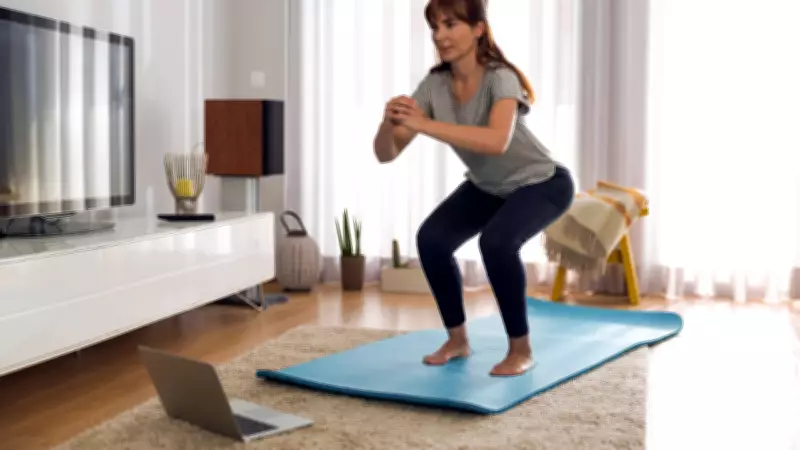
Screens are often blamed for inactivity, but they can be repurposed to promote movement. Watching a show while stretching, doing light mobility exercises during breaks, or standing during calls can add small bursts of activity throughout the day. These micro-movements accumulate, reducing long periods of sitting, which are linked to various health risks.
According to the World Health Organization, reducing sedentary time is just as crucial as increasing exercise.

Follow Energy, Not a Schedule
Strict routines work for some, but many people respond better to flexibility. Moving when energy levels are high—whether it's dancing spontaneously, going for an impromptu walk, or stretching quickly—creates a more organic rhythm than forcing adherence to a rigid workout plan. This method honors the body's natural impulses, making movement something to anticipate rather than avoid.





