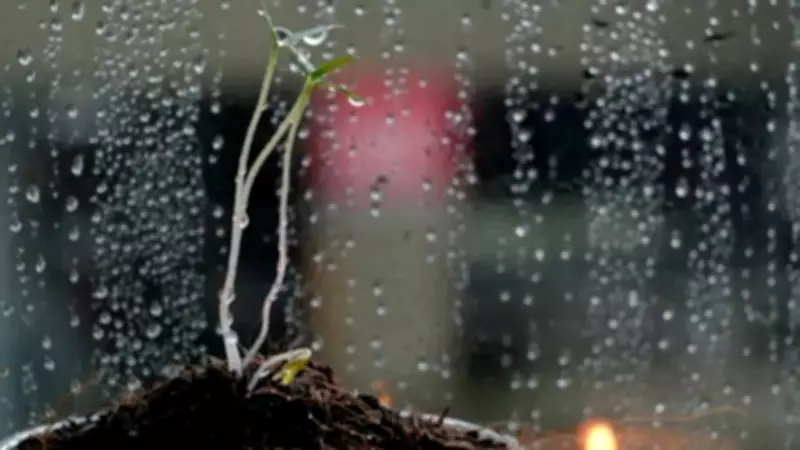
You have followed all the basic requirements, watering, sunlight exposure, and possibly even fertilization, and still the plant does not grow at all. There are no new sprouts; there is no visible progress, only a plant that remains unchanged. The secret of why the plant grows slowly is not always obvious. Often, you will see a problem in the most unusual places, or you simply do not notice anything abnormal. Below are some examples of less common reasons why your plants do not grow properly.
The pot size interferes with the growth of the plant
The growth of the plant directly depends on the space where the roots can spread. A very narrow or shallow pot will prevent the roots from developing fully, thereby inhibiting further growth. But a pot that is too large will contain extra moisture, causing stress for the roots. In this case, many plants just appear to be stagnant because they have already grown enough in such a pot. The solution is to transplant the plant into a different pot.
You often move the plant from place to place
Shifting plants regularly for various reasons, to change the direction of lighting, to improve appearance, or for aesthetic purposes, is not good for the plant. Plants adjust gradually to environmental conditions, direction of light, temperature, and air currents. Frequent movement will cause the plant to slow down its growth, as it needs to readjust.

The temperature is changing too often
Temperature fluctuations are a serious factor affecting the development of indoor plants. They are quite sensitive to temperature variations and prefer stable conditions. Any sudden changes, whether it's placing a plant near a vent, heater, or open window, will negatively impact its growth. Therefore, despite other favourable factors, fluctuating temperatures will slow down the development of the plant.
You clean the soil or move plants too often
There is another popular mistake among plant owners: frequent cleaning and touching the soil in which a plant grows. Many often loosen the soil, stir it up, and move the plant unnecessarily. Though occasional maintenance is allowed, constant interference is not good for the roots' development. Thus, the plant will fail to grow well.
Poor air circulation influences plant growth
In addition to water, light, and nutrition, plants require air circulation as well. In case it is missing, their growth is limited, and they may become exposed to various pests and fungi. For instance, if plants are always kept inside or planted in the same pot, they cannot develop properly since they do not have enough air circulation.