The Hidden Germ Havens in Your Home: 5 Overlooked Spots
While most people diligently dust surfaces and clean visible areas regularly, the dirtiest places in our homes are often the ones we perceive as clean. These overlooked spots can become breeding grounds for unthinkable bacteria, viruses, and grime when ignored over time. Understanding and addressing these hidden germ heavens is crucial for maintaining a truly hygienic living environment.
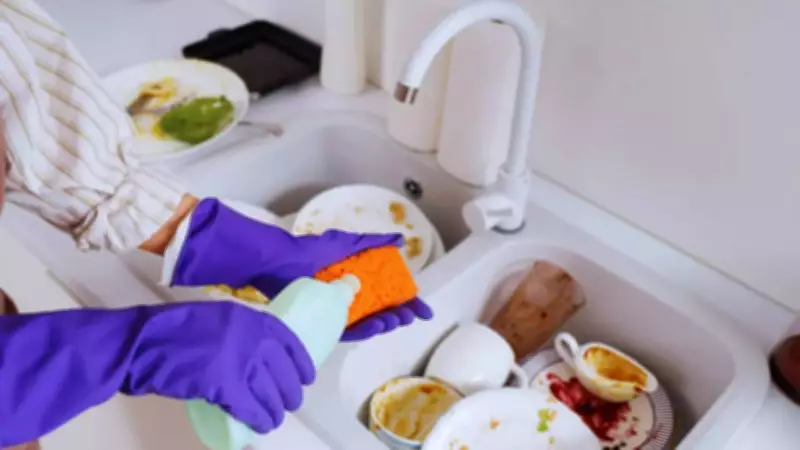
1. Kitchen Sponge: The Silent Bacterial Factory
Ironically, one of the most ignored dirtiest items in nearly every household is the kitchen sponge or dish cloth. Many people assume these cleaning tools remain clean because they're used for washing dishes and surfaces. However, scientific studies reveal that sponges and dish cloths often harbor more bacteria than toilet seats.
Every time you wipe a countertop or scrub a plate, moisture and microscopic food particles become trapped within the sponge's porous structure. This creates an ideal environment for bacterial growth that can contaminate everything you "clean" afterward.

Effective Cleaning Strategies:
- Replace sponges every 15 days maximum
- Microwave a wet sponge for 1-2 minutes to kill bacteria
- Boil dish cloths regularly to eliminate germs
- Use separate cloths for different cleaning tasks
- Always air dry sponges completely after each use
2. Remote Controls: Invisible Germ Carriers
Despite their shiny appearance, remote controls are constantly handled but rarely cleaned. Most people cannot recall the last time they disinfected their television or air conditioner remotes. Research indicates these frequently touched items can carry fecal bacteria, cold viruses, and other pathogens that spread easily among household members.
Proper Maintenance Approach:
- Wipe all remote controls with disinfectant wipes at least weekly
- Establish a habit of washing hands before and after use
- Pay special attention to button crevices where germs accumulate
3. Light Switches and Door Handles: Germ Transfer Stations
These essential household components represent two of the most neglected cleaning areas despite being touched by multiple people daily. Light switches and door handles serve as perfect locations for transferring germs between family members and visitors, yet they rarely receive proper disinfection attention.
Practical Cleaning Solutions:
- Use disinfectant spray specifically formulated for high-touch surfaces
- Incorporate these areas into your regular cleaning routine
- Clean more frequently during illness outbreaks in the household
4. Toothbrush Holder: The Unhealthy Health Accessory
While your toothbrush is designed to promote oral health, its storage container might be pooling with unknown bacteria. Bathroom faucet handles collect harmful germs from wet hands, and these pathogens easily transfer to toothbrush holders. Many people focus on replacing toothbrushes but neglect the containers that house them.
Essential Hygiene Practices:
- Dry toothbrush holders thoroughly after every use
- Use a small brush to clean holder crevices weekly
- Wipe toilet and bathroom faucet handles daily
- Consider dishwasher-safe holders for easier cleaning
5. Washing Machine Rubber Seal: The Cleaner That Needs Cleaning
Although washing machines are supposed to keep clothes clean, the appliances themselves require regular maintenance. Front-loading washing machines particularly accumulate grime in their rubber door gaskets, which trap water, lint, and detergent residue. This moist environment creates perfect conditions for mold and mildew growth that can transfer to your "clean" laundry.
Machine Maintenance Protocol:

- Wipe the rubber seal with a dry cloth after every wash cycle
- Run a monthly hot-water cycle using white vinegar
- Remove and thoroughly clean the detergent drawer regularly
- Leave the washing machine door open between uses to promote drying
By addressing these five commonly overlooked areas with consistent cleaning practices, households can significantly reduce bacterial contamination and create healthier living environments. Regular attention to these hidden germ hotspots complements visible surface cleaning for comprehensive home hygiene.